Top Landscaping Services in Cromwell, CT, 06416 | Compare & Call

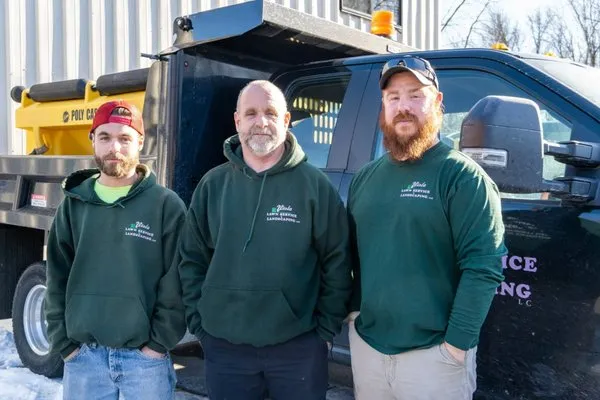
Viola Lawn Service & Landscaping
Since 1984, Viola Lawn Service and Landscaping has been a trusted family-owned business in Cromwell, CT, dedicated to enhancing local properties. With four full-time maintenance crews and two installa...
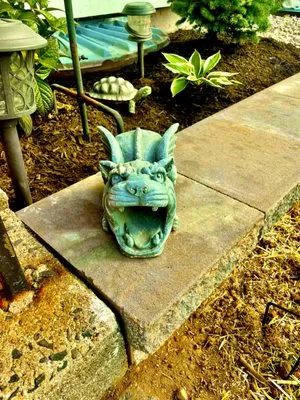
Mountain View Landscape
For over two decades, Mountain View Landscape has been a trusted partner in Cromwell and across the greater Hartford area, transforming outdoor spaces into lasting sources of pride. We believe a succe...
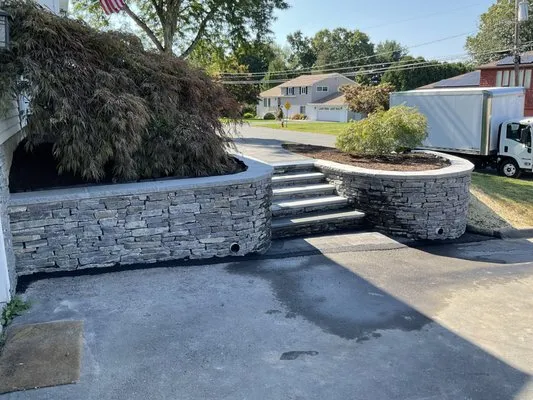
CT Master Lawn & Services
CT Master Lawn & Services is a Cromwell-based landscaping and masonry company specializing in comprehensive outdoor solutions for local homeowners. We address common Cromwell landscaping challenges li...
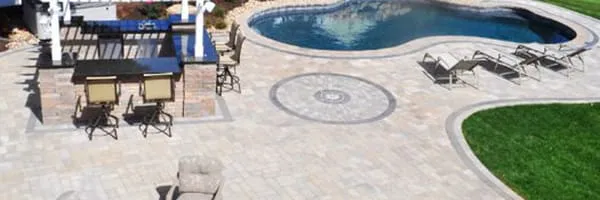
Plummer Landscaping has been a trusted Cromwell, CT landscaping partner since 2000, providing reliable services to homeowners and businesses throughout Central Connecticut. As a licensed and insured c...

Pinewood Landscaping
Pinewood Landscaping has been a trusted name in Cromwell, CT, and throughout New England since 1995, offering comprehensive landscaping and masonry solutions for both residential and commercial client...
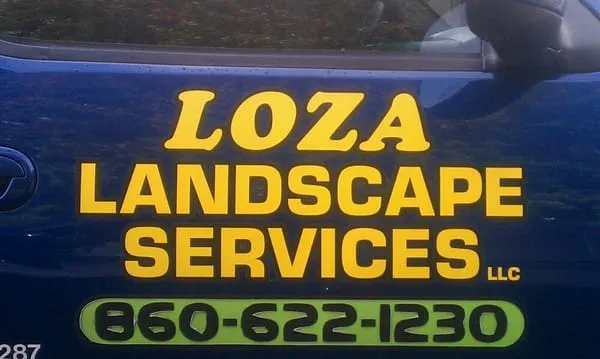
Loza Landscaping is a Cromwell-based landscaping company dedicated to enhancing the beauty and health of local properties. We understand the common challenges homeowners face, such as unsightly bare s...
Cooper Landscaping serves homeowners and businesses in Cromwell, CT, offering a comprehensive range of landscaping and irrigation services. We specialize in addressing common local challenges like une...
Cromwell Landscaping is a local, full-service landscaping company dedicated to maintaining and enhancing the beauty and health of Cromwell properties. We understand the common challenges homeowners fa...
Brothers Landscape is a trusted, locally-owned landscaping company serving Cromwell, CT, and the surrounding areas. We specialize in comprehensive lawn care, expert snow removal, and durable masonry a...
Fischer Landscape Restoration and Design is your dedicated landscaping partner in Cromwell, CT, focused on restoring and preserving the beauty of local properties. We specialize in addressing common C...
Question Answers
My yard stays soggy for days after rain. What's a long-term solution for this wet spot?
This is a common issue in Cromwell due to the glacial till subsurface and seasonal high water table, which cause poor infiltration. For paved areas, replacing impermeable surfaces with permeable concrete pavers or open-joint bluestone can significantly reduce runoff. For turf, installing a French drain or dry well system will help move water away from the problem area, meeting modern runoff standards enforced by the Cromwell Planning & Development Department.
Why does my lawn struggle even with regular care, unlike my neighbor's newer property?
Properties in Cromwell Center, predominantly developed around 1977, are built on native acidic sandy loam. After nearly five decades of use, the soil structure has degraded. Compaction from foot traffic and equipment reduces permeability, while organic matter has been depleted. Core aeration and amendments like composted leaf mold are essential to restore soil health, improve water infiltration, and support a robust root system for turf.
We're adding a patio. Is bluestone or pressure-treated wood a better long-term choice?
For longevity and low maintenance, bluestone or concrete pavers are superior. Wood requires regular sealing and will decay, needing replacement. Stone or pavers offer permanent stability, better drainage when installed with permeable bases, and contribute to a Firewise landscape by creating a non-combustible defensible space. This is a prudent choice even in Cromwell's low-risk rating, adding value and durability to your property.
If a storm drops a tree limb across my driveway before a workday, how fast can a crew arrive?
For emergency cleanup to restore access, our dispatch from the Watrous Park area can reach most Cromwell Center addresses within the 20-30 minute peak response window. The route utilizes I-91 for rapid north-south transit. Crews are equipped for immediate debris removal and safety mitigation, prioritizing HOA compliance and driveway clearance to minimize disruption to your schedule.
We want to regrade our backyard for better drainage. What permits and contractor checks are needed?
Regrading a 0.45-acre lot that alters water flow typically requires an Earth Moving Permit from the Cromwell Planning & Development Department. You must hire a contractor licensed by the Connecticut Department of Consumer Protection for this work. This ensures they carry the proper insurance and have the expertise to execute the plan without causing erosion or drainage issues for neighboring properties, which is a common legal liability.
Can I keep my Kentucky Bluegrass lawn healthy if water restrictions get tighter this summer?
Yes. Utilizing smart Wi-Fi ET-based controllers is critical. These systems adjust watering schedules daily based on local evapotranspiration data from weather stations, applying water only when the turf needs it. This technology maximizes efficiency, conserves water during Stage 0 conditions, and maintains turf health by preventing under or over-watering, keeping you well within any future municipal limits.
I'm tired of weekly mowing and gas blower noise. Are there lower-maintenance options?
Transitioning high-maintenance turf areas to a landscape of native plants like Eastern Redbud, Switchgrass, and Joe-Pye Weed is a strategic solution. These plants require no mowing, minimal water once established, and support local pollinators. This approach reduces reliance on gas-powered equipment, aligning with a future where tighter noise ordinances may further restrict their use, while creating a more resilient and biodiverse yard.
What are the biggest threats to my landscape's health I should watch for this season?
Invasive species like Japanese Knotweed and Garlic Mustard are primary threats in this area, outcompeting natives and degrading soil. Treatment requires targeted, non-chemical methods like diligent digging or approved organic herbicides to avoid impacting the established turf. It is crucial to follow the local fertilizer ordinance, which prohibits phosphorus application unless a soil test confirms a deficiency, to prevent nutrient runoff into local waterways.
