Top Landscaping Services in Coventry Lake, CT, 06238 | Compare & Call

There are 107 landscaping companies server in Coventry Lake CT
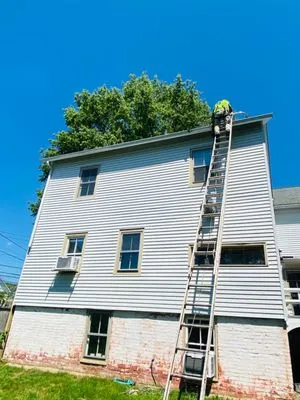
G&R Handyman Services has been a trusted partner for New Haven homeowners since 2007. With over 18 years of experience, our team provides reliable solutions for a comprehensive range of home and prope...
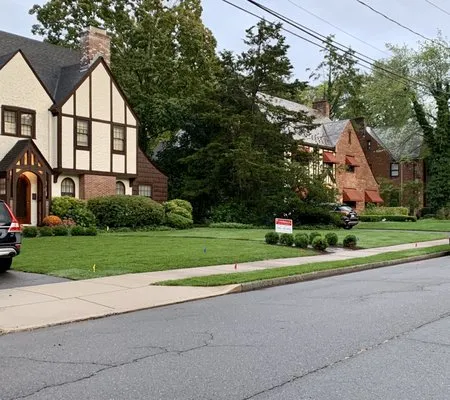
Chenail is a licensed landscaping and irrigation company based in West Hartford, CT, specializing in comprehensive outdoor care for residential and commercial properties. With expertise spanning lands...
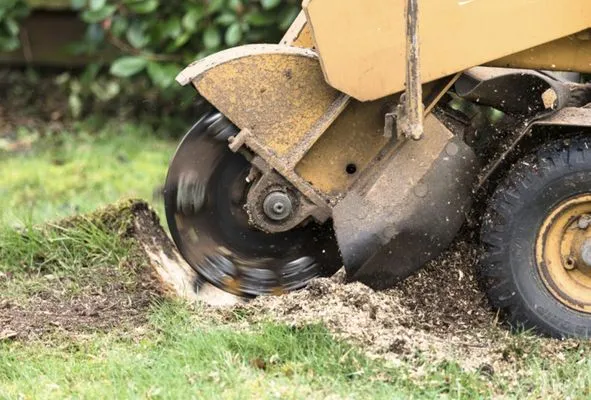
Stumpy McGrinder's in Simsbury, CT, is a locally owned landscaping and tree service business that grew from personal necessity into a trusted community resource. During the COVID-19 pandemic, when man...
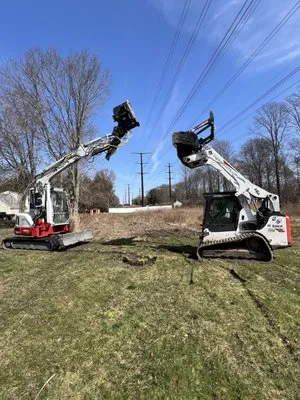
VegOut Forestry is a dedicated landscaping and forestry service based in Orange, CT, focused on transforming challenging outdoor spaces into clean, usable areas. We specialize in forestry mulching, a ...

The Nature Professionals in Manchester, CT is a family-owned business with deep roots in forestry and outdoor craftsmanship. Founded by someone born into a logging family from Newport, Vermont, the co...

Family Tree Landscaping & Sealcoating
Family Tree Landscaping & Sealcoating is your full-service partner for enhancing and protecting your New London, CT, property. From major earthmoving projects to routine lawn care, our skilled team ha...
Gotta & Sons Masonry is a family-owned masonry and landscaping contractor serving East Hampton, CT, with deep roots in both masonry and horticulture. With over 20 years of experience in masonry and 30...
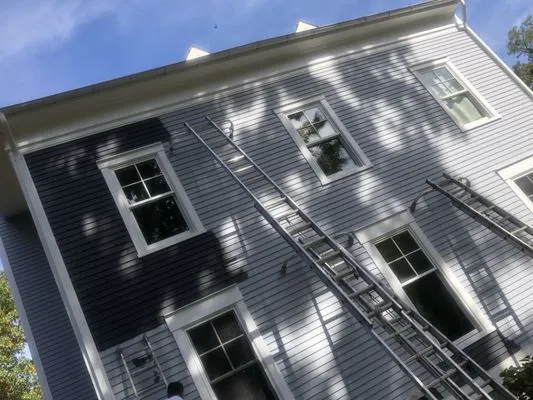
JDP Services is a Hamden-based contractor specializing in landscaping, painting, and drywall installation and repair. Serving the local community, we help homeowners maintain and enhance their propert...
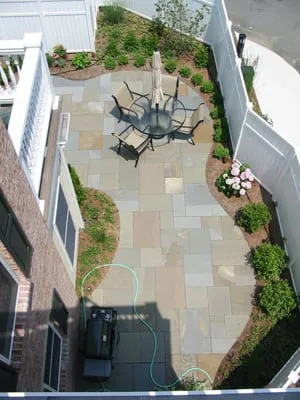
Torrison Stone & Garden
Torrison Stone & Garden is a full-service landscape construction and design company based in Durham, CT, specializing in stone and landscape design, installation, and maintenance. Founded in 2000 by o...
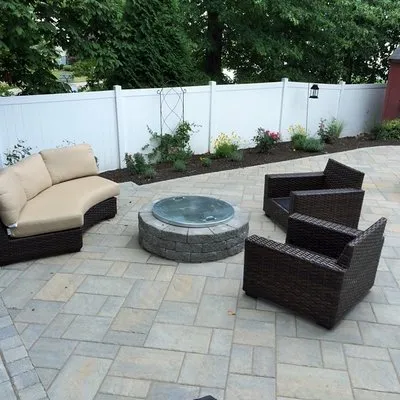
Brookside Landscaping has been serving Cheshire, CT, and surrounding communities since 1993, specializing in comprehensive landscape and hardscape solutions for residential, commercial, and municipal ...
Estimated Landscaping Service Costs in Coventry Lake, CT
Question Answers
I'm tired of weekly mowing and loud gas equipment. Are there lower-maintenance options?
Transitioning to a climate-adaptive landscape reduces maintenance and noise. Replacing turf areas with a matrix of native plants like Butterfly Milkweed, Little Bluestem, and New England Aster creates a resilient, biodiverse habitat that requires no mowing and minimal watering. This approach future-proofs your property against tightening noise ordinances and supports 2026 biodiversity goals with deep-rooted perennials that manage stormwater.
Our lawn never seems to thrive, even with fertilizer. Is there something wrong with the soil around Coventry Lake?
Properties in the Coventry Lake District, with homes averaging 72 years of age, often have mature but compacted acidic sandy loam soil. Over decades, foot traffic and machinery have reduced soil percolation and organic matter. This soil profile, with a pH of 5.5-6.2, benefits from annual core aeration in fall and amendments like composted leaf litter to improve structure and microbial activity, creating a better foundation for root growth.
We want to regrade our yard for better drainage. What permits or licensed pros do we need?
Regrading a 0.55-acre lot typically requires a permit from the Coventry Planning and Zoning Department, especially if altering water flow to adjacent properties. The contractor must hold a Home Improvement Contractor license from the Connecticut Department of Consumer Protection. This licensing ensures they carry proper insurance and understand state regulations, including sediment control and compliance with the local fertilizer ordinance during stabilization.
Our backyard stays soggy long after rain. What's a lasting solution for this wet soil?
Seasonal saturation is common with Coventry's high water table and acidic sandy loam, where shallow compaction can impede drainage. A graded French drain system tied to a dry well is often the most effective correction. For new patios, specifying permeable bluestone paver installations can significantly reduce surface runoff, helping projects meet Coventry Planning and Zoning Department standards for stormwater management.
We're adding a patio. Is bluestone a good choice compared to composite or wood?
Bluestone pavers offer superior longevity and permeability compared to wood, which decays, or solid composites. In Coventry's Moderate Wildland-Urban Interface rating, bluestone provides a non-combustible, defensible space material critical for fire-wise landscaping. Its natural cleft surface requires no sealing, maintains traction, and when set on a gravel base, it supports significant water infiltration, aligning with modern stormwater principles.
A storm knocked down a large limb. How quickly can a crew respond for emergency cleanup?
For urgent storm response in the Coventry Lake area, our dispatch from Patriots Park via CT-31 allows for a 25-35 minute arrival during peak hours. We prioritize safety hazards like blocked driveways or damaged structures. Our electric fleet operates within standard decibel limits, enabling early response while complying with local noise ordinances for immediate site stabilization and debris management.
How can I keep my lawn green during summer without violating water rules?
Under Stage 0 voluntary conservation, efficient water use is critical. Smart Wi-Fi soil moisture sensor controllers are essential; they apply water based on actual ET rates and soil conditions, not a fixed schedule. For your Kentucky Bluegrass and Fine Fescue mix, this technology prevents overwatering, encourages deeper roots, and can reduce usage by 20-30%, keeping turf healthy within municipal guidelines.
I've spotted invasive vines taking over a hedgerow. How should I handle them?
Common invasive alerts for Zone 6a include Oriental Bittersweet and Japanese Knotweed. Manual removal for young vines is effective; for established patches, a targeted, systemic herbicide applied in late summer is often necessary. Any treatment must comply with Connecticut's statewide phosphorus ban on established turf, and we schedule applications outside of peak pollinator activity to protect beneficial insects.
