Top Landscaping Services in Cornwall, CT, 06754 | Compare & Call
There are 142 landscaping companies server in Cornwall CT

YardScapes Landscape Professionals
YardScapes Landscape Professionals is a premier, full-service landscape company based in New Milford, Connecticut. Founded in 1990, we are proud to be the only Landscape Industry Accredited company in...
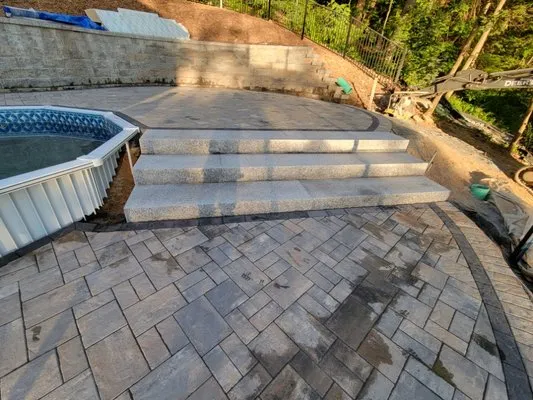
EVJ Landscape Construction is a full-service masonry and landscaping company serving New Britain, CT, and the surrounding areas. We specialize in creating durable and beautiful outdoor spaces, from cu...

Roberts Property Management LLC is a full-service landscaping company serving Thomaston, CT, and surrounding Connecticut communities. We specialize in comprehensive landscape design, installation, and...
Connecticut Landscaping & Property Maintenance
Connecticut Landscaping & Property Maintenance is a Portland, CT-based company specializing in comprehensive property care, including pressure washing, gutter services, and landscaping. We understand ...

Harrington's Organic Land Care in Bloomfield, CT, is a locally owned and operated landscaping business specializing in organic solutions for lawns, trees, and shrubs. Founded in 1987 by Todd Harringto...
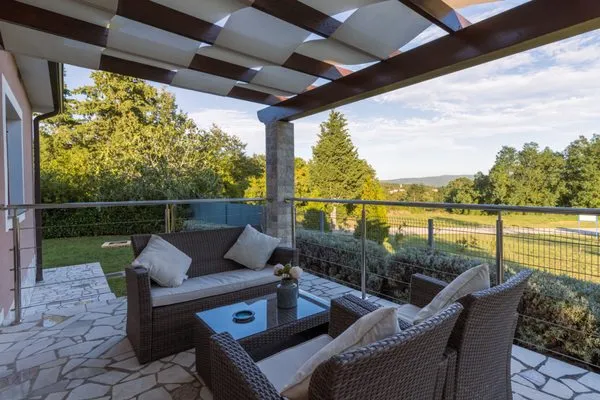
Excellence Masonry and Contracting
Excellence Masonry and Contracting is a multi-generation family business with over 24 years of experience serving Bethlehem, CT and surrounding areas. Specializing in masonry, concrete, landscaping, a...

Kurt's Tree and Landscape Company provides comprehensive outdoor care for Manchester, CT, and the surrounding region. As a certified arborist, Kurt specializes in tree health, from diagnosis and disea...
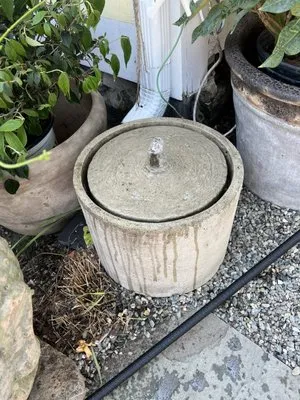
Outdoor Design and Living
Outdoor Design and Living has been enhancing Fairfield County properties since 1994, bringing over 25 years of local expertise and genuine enthusiasm to every project. As a Fairfield resident myself, ...
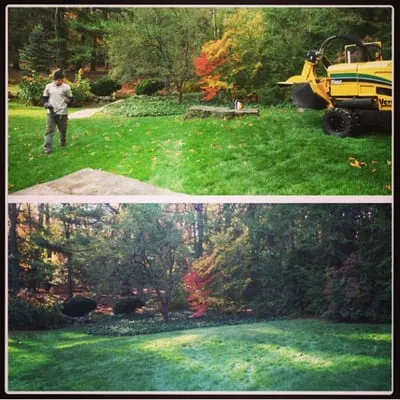
Inspired by the widespread tree damage left in the wake of a hurricane, Anthony Donofrio founded Stumpers in Trumbull in 2011. Seeing how unsightly stumps continued to mar local properties long after ...

All Points Home Improvements is a Bristol-based company specializing in landscaping, plumbing, and siding services. Founded by a Connecticut native with a passion for home improvements, we've built ou...
Estimated Landscaping Service Costs in Cornwall, CT
Question Answers
Is local fieldstone a better choice than pressure-treated wood for a new patio?
For longevity and fire resilience, local fieldstone or bluestone is superior. Wood requires regular sealing and deteriorates. Stone is permanent, requires no chemical treatments, and its non-combustible nature contributes directly to defensible space in Cornwall's Moderate Wildland-Urban Interface (WUI) rating. A stone patio also integrates seamlessly with the local aesthetic and provides excellent permeability to manage runoff.
We want to regrade a section of our 2.5-acre property. What permits and contractor credentials are required?
Any significant regrading on a lot this size requires review by the Cornwall Planning and Zoning Commission for erosion and sediment control. The contractor must hold a Home Improvement Contractor license from the Connecticut Department of Consumer Protection. For work affecting drainage patterns or involving heavy machinery, additional specialty licensing may be necessary. Always verify these credentials to ensure the work is insured and complies with all local and state regulations.
Our house is from the 1930s like many in Cornwall Village. Why does the soil feel so compacted and thin?
Lots developed around 1938, like yours, have 88-year-old soil profiles impacted by initial construction. The native acidic sandy loam was likely stripped of topsoil and compacted by heavy machinery. Over decades, foot traffic and conventional mowing have further reduced organic matter and permeability. Core aeration and incorporating composted leaf mold are essential to rebuild soil structure and support healthy root zones for your turf and planting beds.
A storm brought down a large limb. How quickly can a crew arrive for emergency cleanup?
For an emergency call, our dispatch from the Cornwall Covered Bridge area aims for a 45-60 minute response during peak events. The primary route is via Route 7, though travel time is contingent on concurrent storm activity and road closures. We prioritize safety hazards and can mobilize a crew with electric chainsaws and chippers, which also comply with municipal noise abatement ordinances during restricted hours.
We have persistent soggy areas and frost heave damage on our walkway. What's the cause and solution?
This is a classic symptom of the seasonal high water table interacting with frost-susceptible, acidic sandy loam. Water pools in subsoil layers, freezes, and expands. The solution involves improving subsurface drainage with French drains and using permeable local fieldstone or bluestone for hardscapes. These materials allow infiltration, reduce runoff, and typically meet Cornwall Planning and Zoning Commission standards for managing stormwater on-site.
What invasive species should I be on the lookout for, and how do I handle them safely?
In Cornwall's woodlands, key invasives include Japanese barberry, garlic mustard, and oriental bittersweet. Manual removal for small infestations is most effective. For larger issues, targeted herbicide application must be carefully timed and must comply with the Connecticut Fertilizer Law, which restricts phosphorus and has specific blackout dates for application. Always use a licensed professional to ensure treatments are safe and legal.
I want to reduce weekly mowing and gas equipment noise. What are my options?
Transitioning high-maintenance turf areas to a landscape of native plants like Eastern Redbud, Mountain Laurel, and New England Aster is a strategic solution. These species are adapted to Zone 5b and acidic soils, requiring minimal irrigation and no regular mowing. This shift aligns with evolving noise ordinances limiting gas-powered blowers and mowers, moving you toward a quieter, electric-maintenance landscape that supports local biodiversity.
With no water restrictions currently, is a smart irrigation controller still necessary?
Yes. Stage 0 status is an opportunity for conservation, not excess. Smart Wi-Fi soil moisture sensor controllers prevent overwatering by scheduling irrigation based on actual evapotranspiration (ET) and soil conditions. This technology is critical for maintaining a Kentucky Bluegrass blend in Cornwall's sandy loam, which drains quickly, and it builds resilience for future potential restrictions by optimizing every gallon used.
