Top Landscaping Services in Colchester, CT, 06415 | Compare & Call

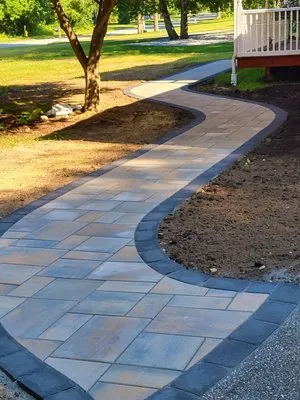
Perfect Curb, LLC is a Colchester-based landscaping and hardscaping firm owned and operated by Dane, a licensed civil engineer. This unique background brings over 25 years of combined engineering and ...
New England Lawn Care & Construction is a full-service contractor and lawn care provider serving Colchester and the surrounding communities. We specialize in both enhancing your outdoor living space a...

B & B Landscaping is a trusted, locally-owned landscaping company serving homeowners throughout Colchester, CT. We understand the common local frustrations with dying garden plants and overgrown shrub...

Shorts Landscaping is a trusted, full-service provider for homeowners in Colchester, CT, specializing in landscaping, snow removal, and tree care. We understand the unique challenges faced by local pr...
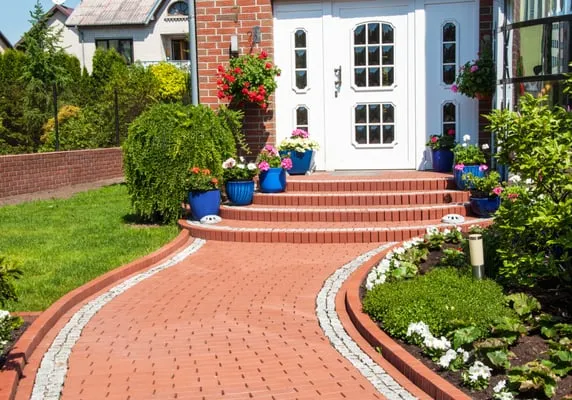
CZ Contracting & Landscaping
Founded in 2021 by a team with over two decades of construction and masonry expertise, CZ Contracting & Landscaping brings New York City-level project experience to homes in Colchester and surrounding...
Soot Happens is a trusted local service provider in Colchester, CT, specializing in chimney maintenance, handyman tasks, and landscaping solutions. We help homeowners maintain safe and functional chim...

611 Lawn Care is a trusted local lawn service provider in Colchester, CT, specializing in comprehensive lawn care solutions. Many homes in the area face common landscaping challenges like dead lawn pa...
Stone & Garden is a trusted landscaping company serving Colchester, CT, dedicated to enhancing outdoor spaces with professional care and expertise. We specialize in addressing common local issues like...
Clark's Landscaping is a trusted local landscaping company serving Colchester, CT, dedicated to addressing common residential landscaping challenges in the area. Many Colchester homes face issues like...
Lex Landscaping is a locally owned and operated landscaping company serving Colchester, CT, and the surrounding area. We understand the unique challenges of maintaining properties in our region, such ...
Questions and Answers
Can I maintain Kentucky Bluegrass during voluntary water conservation?
Smart Wi-Fi soil moisture sensor controllers optimize irrigation by tracking evapotranspiration rates and soil permeability. These systems apply water only when the root zone moisture drops below 50% capacity, typically reducing usage by 30-40% compared to timer-based systems. This approach preserves the fine fescue mix's drought tolerance while maintaining turf health within municipal water guidelines. Regular sensor calibration ensures accuracy in Colchester's variable seasonal conditions.
What solutions work for seasonal saturation in my yard?
Colchester's high water table and acidic fine sandy loam create persistent drainage challenges. Permeable bluestone or concrete paver installations with 3/8-inch joint spacing allow 4-6 inches per hour infiltration rates. These systems meet Colchester Planning & Zoning Department runoff standards while addressing surface ponding. Subsurface French drains with clean stone aggregate provide additional capacity for properties experiencing prolonged saturation periods.
Why does my lawn in Colchester Center have drainage issues and poor grass growth?
Colchester Center properties built around 1979 have acidic fine sandy loam soil that has matured for 47 years. This soil type naturally develops compaction layers that restrict water percolation and root penetration. Core aeration with organic amendments like composted leaf mold addresses both pH adjustment and soil structure improvement. Regular soil testing every 2-3 years monitors pH levels between 5.5-6.2 for optimal turf health.
Are bluestone pavers better than wood for fire safety?
Bluestone and concrete pavers provide non-combustible surfaces that support Colchester's Moderate Fire Wise rating requirements. These materials maintain 30-foot defensible space zones without contributing to fire spread, unlike wood decks or mulch beds. Proper installation with metal edging creates firebreaks that compartmentalize landscape fuels. This approach meets wildland-urban interface standards while offering 40+ year durability compared to wood's 15-20 year lifespan.
How quickly can you respond to storm damage for HOA compliance?
Emergency cleanup crews dispatch from the Colchester Town Green area via Route 2, reaching most Colchester Center properties within 20-30 minutes during peak response times. This routing prioritizes arterial access while avoiding residential bottlenecks. The response window accommodates immediate safety hazards and preliminary debris management to meet typical HOA 48-hour cleanup requirements.
What permits and licenses are needed for grading my property?
Grading work on 0.95-acre lots in Colchester requires erosion control permits from the Planning & Zoning Department when disturbing over 500 square feet. Contractors must hold Connecticut Department of Consumer Protection landscaping licenses for projects exceeding $1,000 in value. These regulations ensure proper stormwater management and prevent downstream sedimentation. Always verify contractor licensing through the state's online verification system before commencing significant earthwork.
How do I manage invasive species without violating fertilizer laws?
Japanese knotweed and garlic mustard present the highest invasion risks in Colchester's disturbed soils. Manual removal during early growth stages avoids phosphorus application conflicts with Connecticut's fertilizer ordinance. For established infestations, targeted glyphosate applications in fall minimize drift and comply with soil test requirements. Always document soil test results before any treatment to demonstrate ordinance compliance during potential inspections.
Should I replace high-maintenance turf with native plants?
Transitioning Kentucky Bluegrass areas to Common Milkweed, New England Aster, and Little Bluestem reduces mowing frequency from weekly to seasonal maintenance. This shift decreases fuel consumption by 70-80% annually, anticipating potential gas-powered equipment restrictions under evolving noise ordinances. Native plantings establish deeper root systems that improve soil structure and require no synthetic inputs once established, supporting 2026 biodiversity targets.
