Top Landscaping Services in Cheshire, CT, 06408 | Compare & Call
There are 227 landscaping companies server in Cheshire CT
Mullen Landscaping & Design
Mullen Landscaping & Design is a licensed landscaping and hardscaping company serving Cheshire, CT, and the surrounding communities. We specialize in creating and executing comprehensive landscape des...
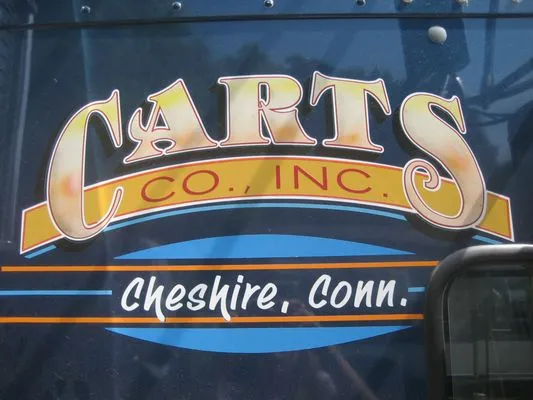
Carts Co is a Cheshire-based provider of essential outdoor services, including snow removal, landscaping, and excavation. For homeowners in Cheshire dealing with common local issues like persistent la...
Nick Constantino Landscape Services
Nick Constantino Landscape Services has been a trusted provider in Cheshire, CT since 2005, offering comprehensive landscaping, snow removal, and dumpster rental solutions for both residential and com...
Silverstream Enterprises is a family-owned masonry and landscaping contractor based in Cheshire, Connecticut. For over a decade, we've been dedicated to enhancing the beauty and functionality of resid...
Red Dog Landscaping is a full-service Cheshire-based company dedicated to building and maintaining beautiful, functional outdoor spaces. We understand the common local challenges homeowners face, such...
Dibs Landscaping is a licensed landscaping service based in Cheshire, CT, founded in 2022. We specialize in providing reliable and professional lawn care, shrub trimming, and landscape design services...
Preferred Properties Landscaping
For over 24 years, Preferred Properties Landscaping has been helping Cheshire homeowners create and maintain beautiful, functional outdoor spaces. We specialize in a comprehensive approach that combin...
Estimated Landscaping Service Costs in Cheshire, CT
Q&A
How quickly can you respond to emergency storm damage for HOA compliance in Cheshire?
Emergency cleanup crews dispatch from Bartlem Park via I-691, reaching most Cheshire Center locations within 20-30 minutes during peak conditions. This routing avoids residential congestion while meeting noise ordinance windows for gas-powered equipment. We prioritize electric chainsaws and sweepers to extend working hours beyond the 7 AM to 8 PM restrictions, ensuring same-day debris removal for fallen limbs or drainage emergencies.
Can I maintain Kentucky Bluegrass during Cheshire's Stage 1 water restrictions?
Wi-Fi ET-based weather sensing irrigation automatically adjusts schedules using real-time evapotranspiration data from local weather stations. This technology reduces water use by 25-40% compared to traditional timers while preserving turf health. The system calculates precise run times for your acidic sandy loam, preventing overwatering that exacerbates drainage issues. Voluntary conservation compliance comes from programming deeper, less frequent cycles that encourage drought-tolerant root development in Fine Fescue blends.
Why does my Cheshire Center lawn have drainage issues and thin grass despite regular care?
Cheshire Center properties built around 1965 have acidic sandy loam soils that have matured for approximately 61 years. This soil type naturally develops compaction layers that restrict root growth and water infiltration. Core aeration with organic amendments like composted leaf mold addresses the pH imbalance while improving soil structure. The sandy component allows quick drainage initially, but compaction reduces permeability over decades, requiring mechanical intervention.
Are concrete pavers or wood better for Cheshire patio installations?
Concrete pavers and bluestone offer superior longevity in USDA Zone 6b, with 30+ year lifespans versus wood's 10-15 years. These materials maintain structural integrity through freeze-thaw cycles that degrade wooden structures. For fire-wise considerations in low-risk suburban zones, non-combustible hardscapes create defensible space without requiring additional clearance. Properly installed paver systems with polymeric sand joints prevent weed intrusion while allowing thermal expansion, a critical factor in New England's temperature fluctuations.
How can I reduce lawn maintenance while supporting local ecology?
Replacing high-maintenance turf with native plantings like Eastern Redbud, Sweet Pepperbush, and Little Bluestem creates resilient landscapes requiring minimal inputs. These species thrive in USDA Zone 6b's acidic soils without supplemental fertilization. Transitioning to electric maintenance equipment aligns with evolving noise ordinances while supporting 2026 biodiversity targets. Butterfly Weed and Joe Pye Weed provide seasonal interest while requiring only annual cutting back, eliminating weekly mowing from May through October.
What invasive species threaten Cheshire landscapes, and how should they be controlled?
Japanese knotweed and garlic mustard present significant risks in Cheshire's disturbed soils, outcompeting natives and degrading habitat. Mechanical removal before seed set, followed by solarization with clear plastic, effectively suppresses regrowth without chemicals. These methods comply with Connecticut's phosphorus ban on established lawns while avoiding fertilizer blackout periods. For persistent infestations, targeted glyphosate applications in fall, when natives are dormant, minimize ecological impact while meeting residential compliance standards.
What permits and licenses are needed for grading work on my 0.55-acre Cheshire property?
The Cheshire Planning and Zoning Department requires grading permits for any earth movement exceeding 50 cubic yards on 0.55-acre lots. Contractors must hold Connecticut Department of Consumer Protection landscaping licenses, with additional certification for erosion control installation. These regulations ensure proper stormwater management on properties with seasonal high water tables. Unlicensed grading risks fines up to $1,000 per violation and may void property insurance during drainage-related claims, particularly near I-691 corridor developments.
What solutions exist for seasonal water table issues in Cheshire's sandy soils?
Seasonal high water tables in acidic sandy loam require subsurface drainage systems with proper permeability calculations. Installing French drains with clean gravel and perforated pipe redirects groundwater away from foundations. For hardscape areas, permeable concrete pavers or bluestone set on open-graded aggregate beds meet Cheshire Planning and Zoning Department runoff standards. These systems increase infiltration rates from 0.5 to over 10 inches per hour, addressing the poor infiltration characteristic of compacted suburban soils.
