Top Landscaping Services in Cheshire Village, CT, 06408 | Compare & Call
There are 236 landscaping companies server in Cheshire Village CT
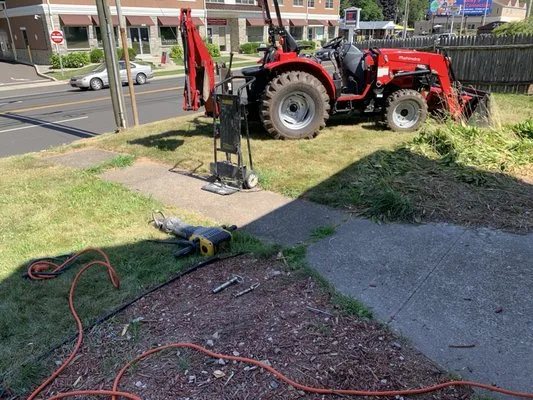
Totino Property Services has been a trusted part of the Wallingford community since starting as a small snow plowing operation. In 2017, owner Mike Totino formalized the business into a full-service l...
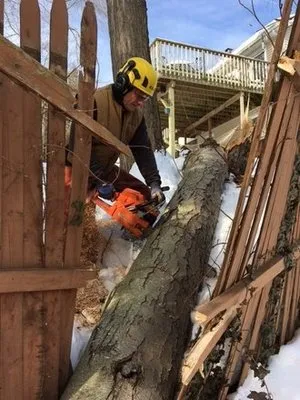
White Oak Tree and Landscape
At White Oak Tree and Landscape in North Haven, CT, owner and crew chief Jim brings over two decades of licensed arborist experience and a genuine passion for the outdoors to every project. He remains...
Mingrino's Landscaping is a trusted, locally-owned landscaping company serving homeowners across Meriden, CT. We understand the specific challenges of maintaining a beautiful property in our area, inc...
Emmet Shutts Landscaping is a Hamden-based provider dedicated to solving common local landscaping challenges. Many area homes face issues like dying garden plants and the aftermath of storm debris, wh...
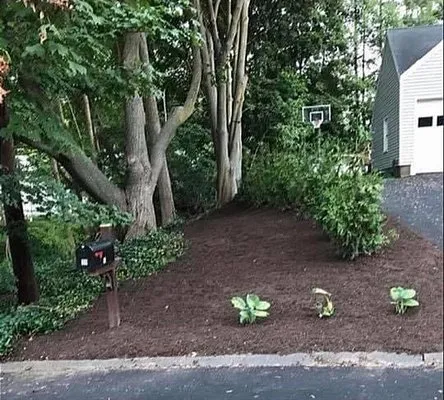
D.D. Landscaping and Construction is a North Haven-based, licensed and insured company founded in 2018 by owner David DeGrand. A graduate of North Haven High School, David started the business with a ...
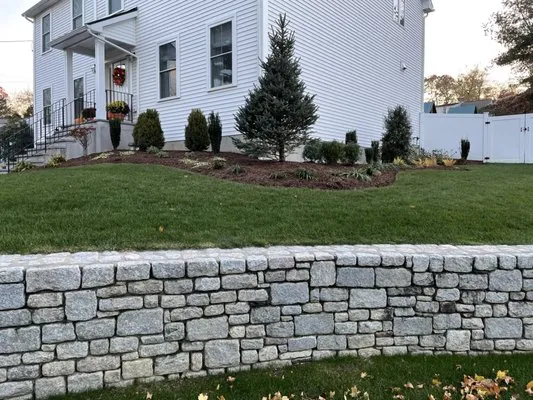
Southgate Nurserymen is your trusted, full-service landscaping partner in North Haven, CT. We specialize in transforming outdoor spaces with expert landscape design, construction, and maintenance. For...
Bethany Mountain Lawn Care
Bethany Mountain Lawn Care is a locally owned and operated lawn care service provider based in Prospect, CT, serving residential and commercial properties throughout New Haven County and surrounding a...
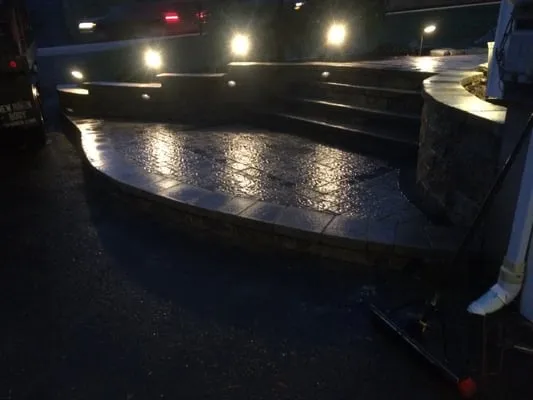
Hanging Hills Lawn Care LLC
Hanging Hills Lawn Care LLC is a Wallingford-based landscaping company with deep roots in the community, serving homeowners since 2001. Founded on the principle of treating customers with the same car...
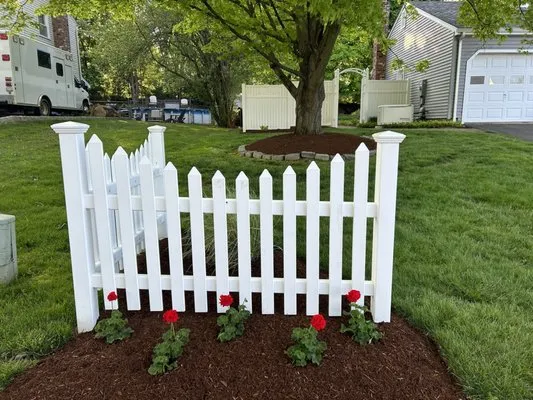
Gary Wodatch Landscape & Tree Services is a trusted, locally-owned company serving homeowners and businesses in Meriden, CT, and the surrounding areas. They specialize in comprehensive landscaping and...
Chamberlain Growers in Kensington is built on a foundation of deep horticultural knowledge and hands-on experience. After graduating from the University of Connecticut with a degree in Environmental H...
Estimated Landscaping Service Costs in Cheshire Village, CT
Q&A
What should we verify before hiring a contractor to regrade our half-acre property?
Any significant grading or earth-moving on a 0.45-acre lot requires verifying two key credentials. First, the contractor must hold a Home Improvement Contractor license from the Connecticut Department of Consumer Protection. Second, the project likely needs a permit from the Cheshire Planning and Zoning Department to ensure the new grading plan manages stormwater runoff effectively and does not adversely affect neighboring properties. Licensed professionals will carry the required insurance and understand local soil conditions, such as the need to preserve topsoil and prevent sedimentation during the work.
How can we keep our Kentucky Bluegrass lawn green during summer without violating water rules?
Stage 1 voluntary conservation in Cheshire aligns with smart irrigation technology. Wi-Fi soil moisture controllers are calibrated to replace only the water lost to evapotranspiration (ET), preventing overwatering. For Zone 6b, this often means deep, infrequent watering cycles that encourage deeper root systems in the fine sandy loam, making the turf more drought-resilient. This system automatically adjusts for rainfall, ensuring irrigation only activates when soil moisture drops below the optimal threshold for your grass mix, conserving municipal water.
A storm brought down a large limb. How quickly can a crew respond for an emergency cleanup?
Emergency dispatch for tree-related hazards operates on a 25-35 minute peak response timeline from our central staging area. The primary route utilizes I-691 from the Bartlem Recreation Area corridor directly into Cheshire Center. Crews are equipped with electric chippers and hauling equipment to mitigate noise during restricted hours while ensuring safe, efficient removal. This protocol prioritizes clearing roadways and securing property from immediate danger before transitioning to detailed site cleanup.
We want to reduce mowing and loud gas equipment. What are our options?
Transitioning high-maintenance turf to a native plant landscape is a forward-looking strategy. Species like Eastern Redbud, Sweet Pepperbush, New England Aster, and Switchgrass are adapted to Zone 6b and acidic soils, requiring no fertilization, minimal watering once established, and no weekly mowing. This shift dramatically reduces the need for gas-powered equipment, aligning with local noise ordinances and moving toward a quiet, electric-maintenance fleet. The resulting landscape supports local pollinators and increases biodiversity with deeper root systems that improve soil health.
Our yard stays soggy long after rain. What's a lasting solution for this wet area?
Seasonal saturation is common with Cheshire's high water table and dense subsoils. The solution involves improving permeability at the surface. Replacing impervious surfaces with permeable concrete pavers or dry-set bluestone allows rainwater to infiltrate directly into the soil, reducing runoff. For turf areas, installing a French drain system tied to a dry well can intercept groundwater. These modifications often require a grading permit from the Cheshire Planning and Zoning Department to ensure engineered solutions meet local stormwater management standards.
We see invasive vines taking over a hedge. How should we handle removal and treatment?
Invasive species like Oriental Bittersweet or Japanese Honeysuckle require immediate, targeted action. Manual removal of the root crown is the first step, followed by a precise, foliar application of a glyphosate-based herbicide to any regrowth, strictly following label instructions. Treatment must avoid Connecticut's ban on phosphorus fertilizers, which do not apply to herbicides, but timing is critical to prevent harm to desirable plants. For extensive infestations, professional application ensures compliance with all environmental regulations and prevents recurrence.
Is a new bluestone patio a better long-term choice than a composite wood deck?
For longevity and low maintenance in Cheshire's climate, bluestone or concrete pavers are superior. These materials have a lifespan of decades with no risk of rot, splintering, or insect damage associated with wood. They also contribute to a higher Fire Wise rating for the low-risk urban-suburban interface by creating a non-combustible defensible space adjacent to the home. Properly installed on a compacted gravel base with polymeric sand, these hardscapes are stable against freeze-thaw cycles and provide excellent permeability to manage the site's high water table.
Our lawn has been struggling for years. Could the soil itself be the problem?
Soil maturity is a likely factor. Lots in Cheshire Center, developed around 1965, have 60-year-old soil profiles that are often compacted from original construction. The prevalent acidic fine sandy loam naturally has moderate permeability, but decades of foot traffic and standard maintenance have reduced pore space, limiting root growth and water infiltration. Core aeration combined with top-dressing compost is essential to rebuild soil structure and address the inherent acidity, moving the pH toward a more neutral range for optimal turf and plant health.
