Top Landscaping Services in Canton Valley, CT, 06019 | Compare & Call

There are 150 landscaping companies server in Canton Valley CT
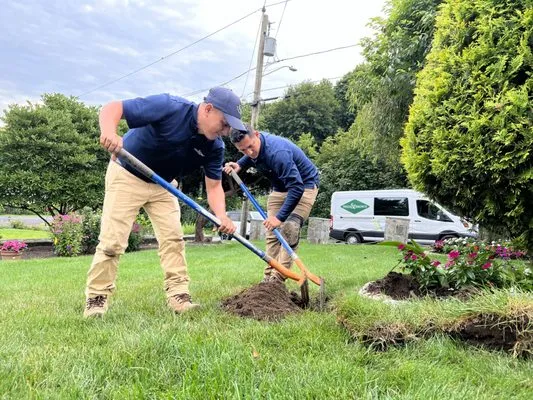
Teed & Brown is a Norwalk-based lawn care company founded in 1995 by Peter Teed and Christopher Brown, combining Peter's hands-on Connecticut lawn care experience with Chris's Turfgrass Science degree...
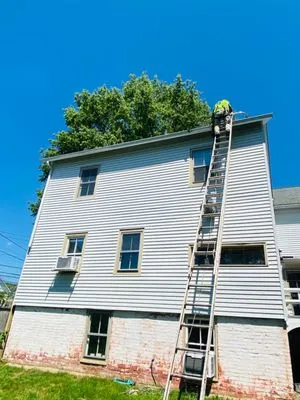
G&R Handyman Services has been a trusted partner for New Haven homeowners since 2007. With over 18 years of experience, our team provides reliable solutions for a comprehensive range of home and prope...

Oddjobs Handymen is a New Haven-based, family-owned business with deep roots in the skilled labor industry. Founded by Alfonso Lara and now operated by his son, a licensed Home Improvement contractor ...
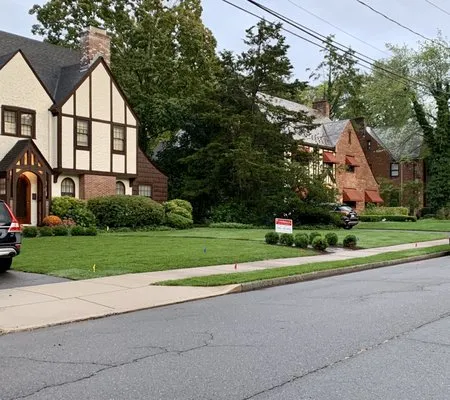
Chenail is a licensed landscaping and irrigation company based in West Hartford, CT, specializing in comprehensive outdoor care for residential and commercial properties. With expertise spanning lands...
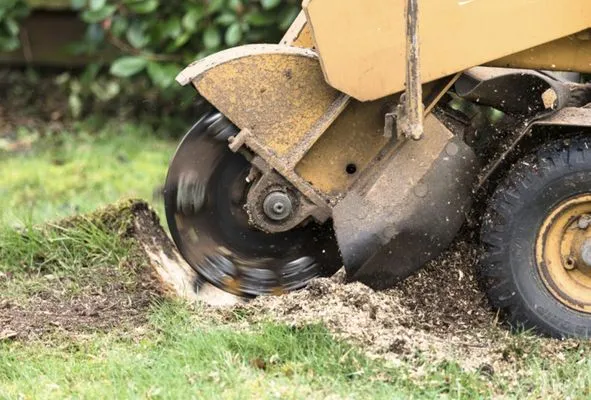
Stumpy McGrinder's in Simsbury, CT, is a locally owned landscaping and tree service business that grew from personal necessity into a trusted community resource. During the COVID-19 pandemic, when man...
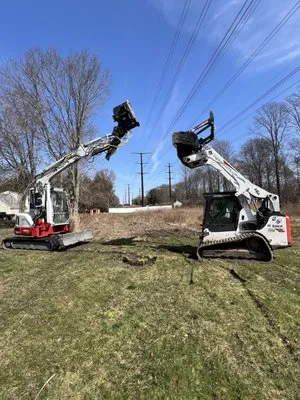
VegOut Forestry is a dedicated landscaping and forestry service based in Orange, CT, focused on transforming challenging outdoor spaces into clean, usable areas. We specialize in forestry mulching, a ...
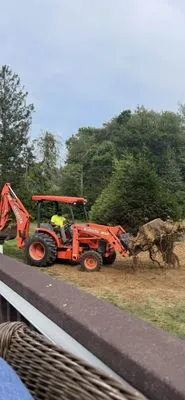
Elite Stump Removal is a locally owned and operated tree service and landscaping company serving Trumbull, CT. Rooted in honesty and integrity, we provide reliable solutions for a healthier, safer, an...
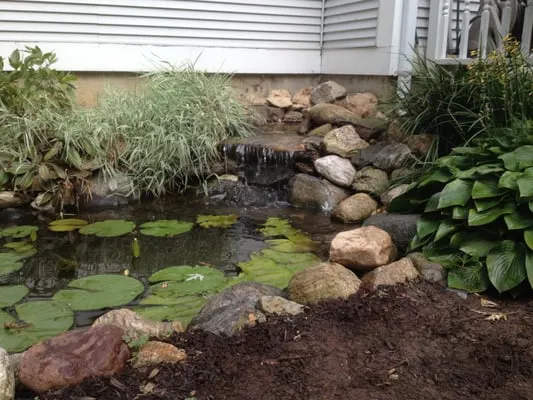
Founded in 1984 by Steve Walowski, a graduate of Delaware Valley College with a degree in Landscaping & Groundskeeping, Hillside Landscaping Co. brings decades of dedicated experience to Berlin, CT, a...

Owl Hill Landscaping & Snow is a trusted local company serving New Haven, CT, dedicated to providing reliable, high-quality outdoor services. We specialize in comprehensive lawn care, effective pest a...
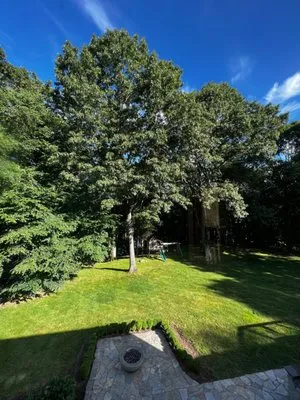
Rivers Tree Service is a trusted, locally-owned company serving Ansonia and the surrounding areas of New Haven and Fairfield County for over a decade. We provide reliable tree care and landscaping sol...
Estimated Landscaping Service Costs in Canton Valley, CT
FAQs
How should I handle invasive plants without chemical runoff concerns?
Japanese knotweed and garlic mustard pose significant threats in Collinsville's disturbed soils. Mechanical removal during dry periods prevents soil disturbance that spreads rhizomes. Spot treatments with glyphosate alternatives avoid phosphorus contamination during the statewide ban blackout dates. We implement soil solarization techniques using clear plastic to heat-treat invasive seed banks without chemicals. Regular monitoring catches new infestations before they establish in the 0.55-acre lot ecosystem.
Can I reduce lawn maintenance while supporting local ecology?
Replacing high-maintenance turf with Eastern Redbud, Joe Pye Weed, Little Bluestem, and Swamp Milkweed creates habitat corridors for pollinators. These native species require no fertilization under Connecticut's phosphorus ban and thrive in Canton Valley's acidic soil conditions. Electric maintenance equipment meets noise ordinance restrictions while eliminating emissions. This approach reduces watering needs by 60-70% compared to traditional lawns and supports 2026 biodiversity standards.
Why choose bluestone over wood for patios in fire-prone areas?
Bluestone pavers provide non-combustible defensible space required for Moderate Firewise USA ratings. Unlike wood decks that require annual sealing and deteriorate in 10-15 years, bluestone lasts 50+ years with minimal maintenance. The material's thermal mass moderates temperature extremes while its natural cleft surface provides slip resistance. Proper installation with fire-resistant jointing materials creates a 30-foot buffer zone that meets community wildfire protection standards without sacrificing aesthetics.
What solutions exist for yards that flood every spring?
Seasonal saturation in acidic sandy loam requires French drains or dry wells to redirect subsurface water. Bluestone pavers installed with permeable jointing materials allow 40-50% more water infiltration than traditional concrete. The Canton Planning & Zoning Office requires drainage plans that manage first-flush runoff from impervious surfaces. Grading adjustments that create gentle swales toward natural drainage paths often resolve standing water issues without extensive excavation.
Why does my lawn in Collinsville have drainage issues and poor grass growth?
Collinsville properties built around 1969 have 57-year-old soil systems. Acidic sandy loam with pH 5.5-6.2 naturally compacts over decades, reducing permeability and oxygen availability to roots. This soil type requires annual core aeration to break up compaction layers and organic amendments like compost to improve water retention. Without these interventions, seasonal saturation from the high water table leads to standing water and turf decline.
How do smart irrigation systems work with Canton Valley's water monitoring?
Wi-Fi ET-based weather sensing irrigation calculates evapotranspiration rates specific to Canton Valley's microclimate. The system automatically adjusts watering schedules for Kentucky Bluegrass and Fine Fescue mixes based on real-time precipitation, temperature, and humidity data. This technology maintains turf health while using 20-30% less water than traditional timers, staying well within municipal monitoring thresholds even during dry periods. Soil moisture sensors prevent overwatering during seasonal saturation events.
What permits and licenses are needed for landscape grading work?
The Canton Planning & Zoning Office requires grading permits for any earth movement exceeding 50 cubic yards on 0.55-acre lots. Connecticut Department of Consumer Protection licensing ensures contractors carry proper liability insurance and understand soil erosion controls. Professional landscape architects must seal designs that alter natural drainage patterns or involve retaining walls over 4 feet. Unlicensed grading that affects neighboring properties' water flow can result in significant fines and restoration requirements.
How quickly can you respond to storm damage for HOA compliance?
Emergency cleanup crews dispatch from Canton Green via US Route 44, reaching Collinsville properties within 20-30 minutes during peak conditions. We coordinate with local utilities for downed branch removal while adhering to gas-powered equipment noise restrictions between 7 AM and 8 PM. Our electric maintenance fleet handles immediate debris clearing without violating neighborhood quiet hours, ensuring HOA compliance within the same business day.
