Top Landscaping Services in Burlington, CT, 06013 | Compare & Call

There are 144 landscaping companies server in Burlington CT
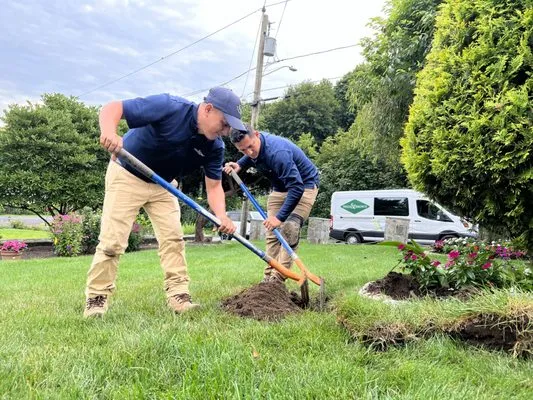
Teed & Brown is a Norwalk-based lawn care company founded in 1995 by Peter Teed and Christopher Brown, combining Peter's hands-on Connecticut lawn care experience with Chris's Turfgrass Science degree...
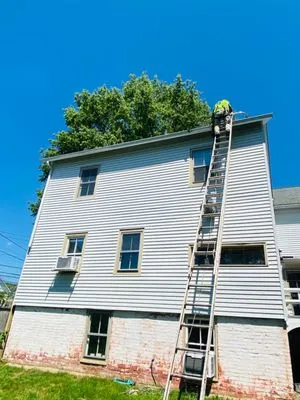
G&R Handyman Services has been a trusted partner for New Haven homeowners since 2007. With over 18 years of experience, our team provides reliable solutions for a comprehensive range of home and prope...

Oddjobs Handymen is a New Haven-based, family-owned business with deep roots in the skilled labor industry. Founded by Alfonso Lara and now operated by his son, a licensed Home Improvement contractor ...
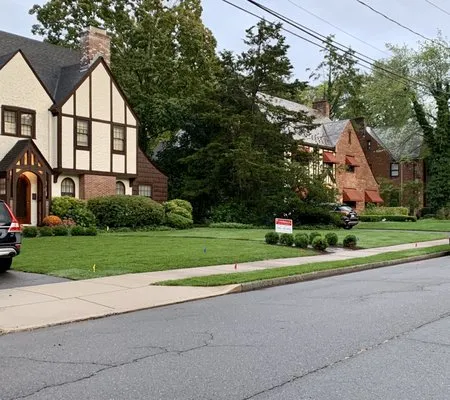
Chenail is a licensed landscaping and irrigation company based in West Hartford, CT, specializing in comprehensive outdoor care for residential and commercial properties. With expertise spanning lands...
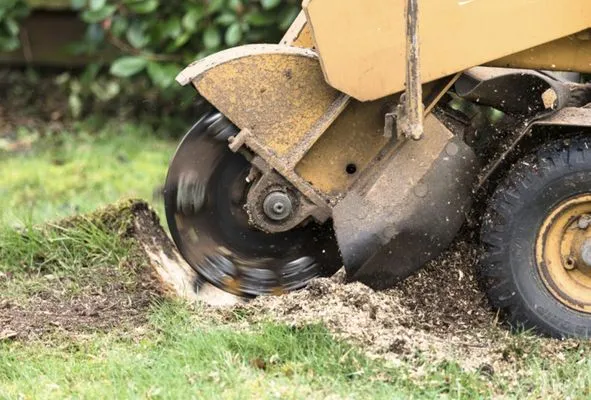
Stumpy McGrinder's in Simsbury, CT, is a locally owned landscaping and tree service business that grew from personal necessity into a trusted community resource. During the COVID-19 pandemic, when man...
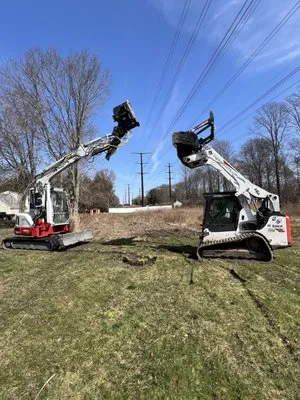
VegOut Forestry is a dedicated landscaping and forestry service based in Orange, CT, focused on transforming challenging outdoor spaces into clean, usable areas. We specialize in forestry mulching, a ...
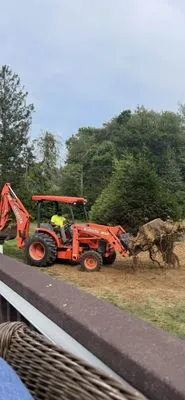
Elite Stump Removal is a locally owned and operated tree service and landscaping company serving Trumbull, CT. Rooted in honesty and integrity, we provide reliable solutions for a healthier, safer, an...
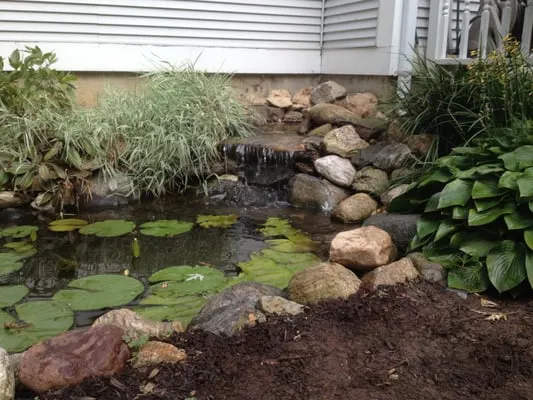
Founded in 1984 by Steve Walowski, a graduate of Delaware Valley College with a degree in Landscaping & Groundskeeping, Hillside Landscaping Co. brings decades of dedicated experience to Berlin, CT, a...

Owl Hill Landscaping & Snow is a trusted local company serving New Haven, CT, dedicated to providing reliable, high-quality outdoor services. We specialize in comprehensive lawn care, effective pest a...
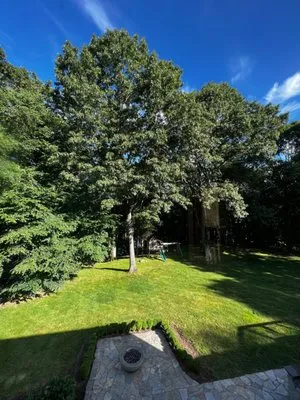
Rivers Tree Service is a trusted, locally-owned company serving Ansonia and the surrounding areas of New Haven and Fairfield County for over a decade. We provide reliable tree care and landscaping sol...
Estimated Landscaping Service Costs in Burlington, CT
Question Answers
Why choose native fieldstone over wood for patio construction in Burlington's climate?
Native fieldstone offers century-long durability versus wood's 15-25 year lifespan in New England's freeze-thaw cycles. Its thermal mass moderates temperature extremes while creating defensible space for WUI Zone 2 compliance. Unlike pressure-treated lumber that leaches chemicals, fieldstone requires no sealants and develops natural patina. Permeable installation methods prevent water pooling on Burlington's poorly drained sites.
What invasive species should Burlington homeowners monitor, and how do we treat them safely?
Japanese knotweed and garlic mustard pose significant threats in Connecticut's acidic soils. Manual removal before seed set combined with targeted glyphosate applications during fall dormancy proves most effective. These treatments avoid phosphorus fertilizer blackout periods while preventing soil disturbance that spreads rhizomes. Regular monitoring along property edges catches new infestations before they establish deep root systems.
We need emergency storm cleanup to meet HOA compliance deadlines - what's your response protocol?
Our dispatch from Burlington Town Hall follows Route 4 with 45-60 minute peak arrival times for priority service. We maintain electric equipment fleets that comply with noise ordinances while providing immediate debris removal. Emergency protocols include safety assessments of compromised trees and temporary erosion controls until permanent repairs can be scheduled during regular business hours.
How do we maintain Kentucky Bluegrass during Stage 1 water restrictions without wasting resources?
Smart Wi-Fi soil moisture sensors prevent overwatering by tracking actual ET rates rather than fixed schedules. These controllers adjust irrigation based on real-time weather data and soil permeability readings. For Burlington's sandy loam, deep infrequent watering encourages deeper root growth while staying within municipal conservation guidelines. Properly calibrated systems use 30-40% less water than traditional timer-based irrigation.
Our Burlington Center home was built in 1986 - what does that mean for our soil health after 40 years?
After four decades of development, Burlington Center's acidic sandy loam has likely become compacted with reduced organic matter. This soil type naturally resists compaction but glacial till beneath creates poor drainage layers. Core aeration every 2-3 years introduces oxygen channels while adding composted leaf mold increases water retention. Mature properties benefit from mycorrhizae inoculants to rebuild soil biology disrupted during original construction.
What permits and licenses are required for regrading our 1.5-acre lot in Burlington?
The Burlington Land Use Office requires erosion control permits for any grading exceeding 50 cubic yards of soil movement. Connecticut Department of Consumer Protection licensing ensures contractors carry proper liability coverage for earthwork operations. On lots this size, certified professionals must design drainage systems that handle watershed calculations rather than simple surface grading. Unlicensed grading can trigger significant fines and mandatory restoration orders.
Can we reduce mowing frequency while maintaining ecological value on our 1.5-acre property?
Replacing high-maintenance turf with Eastern Redbud, Joe-Pye Weed, and Switchgrass creates layered habitats that require minimal care. These natives support local pollinators while reducing fuel consumption from weekly mowing. Electric equipment transitions ahead of noise ordinance changes provide quieter operation during restricted hours. Biodiverse plantings also improve soil carbon sequestration compared to monoculture lawns.
Our property has standing water after heavy rains - what solutions work with Burlington's glacial till?
High seasonal water tables in glacial till require French drains or dry wells to intercept subsurface flow. Permeable concrete pavers with aggregate bases increase infiltration rates by 50-70% compared to traditional asphalt. The Burlington Land Use Office requires stormwater management plans for projects exceeding 500 square feet - we design systems that meet both drainage needs and runoff volume reduction standards.
