Top Landscaping Services in Bristol, CT, 06010 | Compare & Call
There are 234 landscaping companies server in Bristol CT
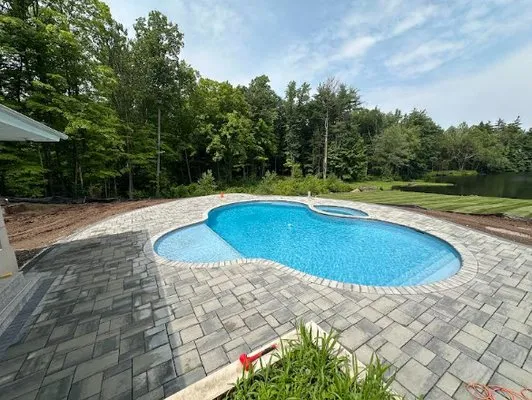
M&G Landscaping, LLC
Founded with a hands-on work ethic, M&G Landscaping, LLC has grown from a small West Hartford operation into a trusted, full-service landscape contractor serving Connecticut for over a decade. Startin...
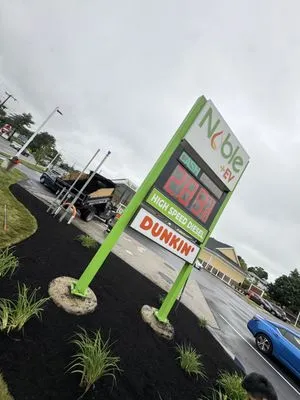
Lawn & Order is a licensed and insured landscaping company serving New Britain, CT, with over 15 years of combined staff experience. We are a full-service operation dedicated to transforming your outd...

Yello Landscaping
Yello Landscaping is a licensed and insured landscaping and general contracting company serving the Greater Hartford area since 2018. Founded by Justin Firmin, this local business specializes in trans...
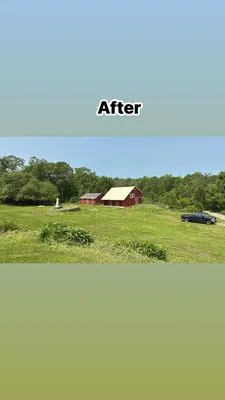
AVN Landscaping is a full-service landscaping company serving homeowners and businesses throughout New Britain, CT. We understand the local landscape challenges, from lawn moss to damaged sprinkler he...
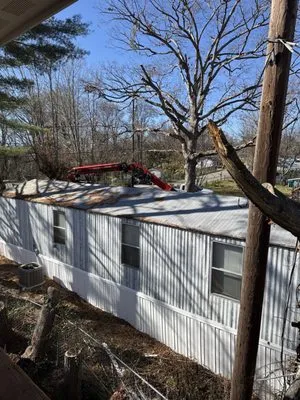
Trout Brook Landscaping is a West Hartford-owned and operated company, established here in 1988. With 15 years of hands-on experience in landscaping and contracting, owner Andrew has built a team know...
Year-Round Landscaping has been serving West Hartford, CT since 1983, founded by owner Mark Lombard. With decades of experience starting from his early days at Gledhill Nursery, Mark built a comprehen...
Elmwood Bark and Stone is a West Hartford, CT landscaping company dedicated to enhancing local outdoor spaces. We specialize in addressing common area challenges like bare lawn spots and tree root law...
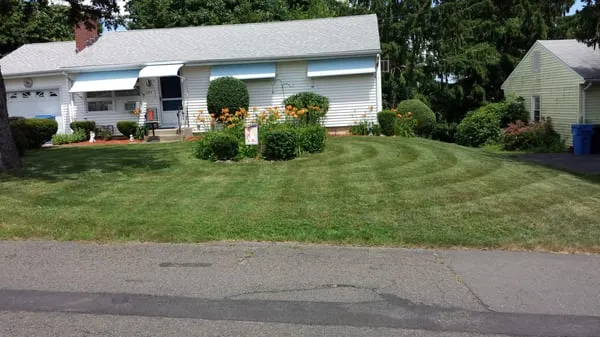
Discount Landscaping LLC is rooted in a lifelong passion for the outdoors and a commitment to quality that was forged in New Britain. Owner Joe's journey began as a young boy knocking on doors to shov...
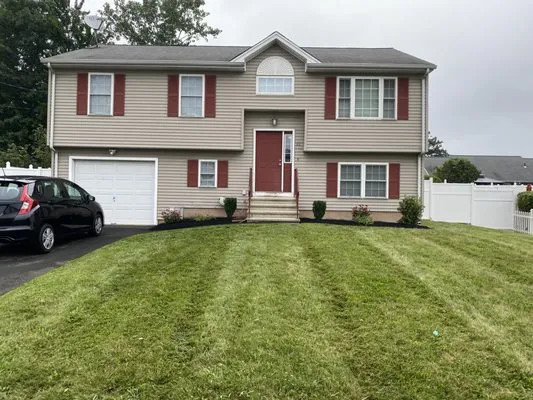
Ashmore & Son Landscaping has been a trusted family-owned and operated business in Newington since 2013. Founded on principles of reliability and hands-on craftsmanship, we specialize in comprehensive...
Lenares Landscape & Design is a family-owned and operated business serving the Greater Hartford area from our home base in Newington, CT. Since 1989, we have built our reputation on creating lasting r...
Estimated Landscaping Service Costs in Bristol, CT
Common Questions
Is bluestone or wood a better long-term choice for a patio?
Bluestone pavers offer superior longevity and lower lifetime maintenance compared to wood, which requires regular sealing and is susceptible to rot and insect damage. In Bristol's climate, bluestone is highly durable against freeze-thaw cycles when installed with a proper base. For properties assessed with a low Fire Wise rating, the non-combustible nature of stone also contributes to defensible space, an increasingly considered factor in urban-suburban interface areas.
My yard stays soggy and pavers heave in winter; what's the cause and fix?
This indicates the high seasonal water table and frost heave susceptibility common to Bristol's sandy loam soils. Surface water cannot percolate through compacted subsoil or non-permeable surfaces. The solution involves regrading to direct water flow and installing subsurface French drains or dry wells. Using permeable jointing material between bluestone pavers also increases surface infiltration, helping projects meet Bristol Planning and Zoning Department stormwater runoff standards.
How quickly can a crew respond to storm damage for HOA compliance?
An emergency cleanup crew can typically be dispatched from the Lake Compounce area within 25-35 minutes during peak hours. The route utilizes Route 72 for efficient access to Highland Park and surrounding Bristol neighborhoods. Crews are equipped with electric chippers and battery-powered saws to comply with local noise ordinances and begin immediate debris management. This rapid response prioritizes safety hazards and prevents potential violation notices from property associations.
Why does my lawn in Highland Park struggle compared to newer Bristol neighborhoods?
Highland Park homes, averaging from 1967, have soils with nearly 60 years of maturation. The dominant acidic sandy loam has become compacted and nutrient-depleted over decades. This compaction restricts root growth and water infiltration, making turfgrass more susceptible to drought and disease. Annual core aeration and the incorporation of compost are essential to rebuild soil structure, increase water-holding capacity, and correct the naturally low pH for optimal plant health.
What invasive species should I watch for and how do I treat them safely?
Bristol properties are commonly challenged by invasives like Japanese Knotweed, Garlic Mustard, and Oriental Bittersweet. Manual removal is effective for new infestations, while targeted, systemic herbicide applications are necessary for established stands. All treatments must avoid the local prohibition on phosphorus-containing fertilizers unless a soil test confirms a deficiency. Proper timing in late summer or fall, when plants are translocating nutrients to roots, increases treatment efficacy and minimizes environmental impact.
How can I maintain a healthy lawn under Bristol's voluntary water conservation?
Modern Wi-Fi ET-based irrigation controllers are the standard solution. These systems automatically adjust watering schedules using real-time local weather data for evapotranspiration, ensuring the Kentucky Bluegrass and Fine Fescue mix receives only the precise moisture it needs. This technology prevents overwatering, aligns with municipal conservation goals, and promotes deeper root systems. Properly calibrated, it can reduce seasonal water use by 20-30% while maintaining turf vitality.
What are low-maintenance alternatives to my high-input lawn?
Transitioning to a landscape anchored by Connecticut natives like Eastern Redbud, Switchgrass, Joe Pye Weed, and New England Aster significantly reduces water, fertilizer, and maintenance demands. These plants are adapted to Zone 6b conditions and acidic soils, requiring no chemical inputs once established. This shift preemptively addresses evolving noise ordinances by reducing or eliminating the need for gas-powered mowers and blowers, creating a resilient, biodiverse habitat.
What permits and credentials are required for a backyard grading project?
Regrading a 0.28-acre lot in Bristol typically requires a permit from the Bristol Planning and Zoning Department to ensure compliance with drainage and erosion control ordinances. The contractor must hold a Home Improvement Contractor license from the Connecticut Department of Consumer Protection. For significant earth moving that alters water flow patterns, additional certification in soil erosion and sediment control may be legally mandated to protect adjacent properties and watersheds.
