Top Landscaping Services in Bethlehem Village, CT, 06751 | Compare & Call

There are 223 landscaping companies server in Bethlehem Village CT
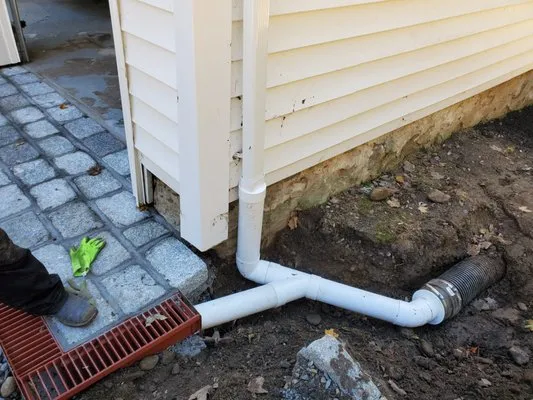
North End Landscaping Service
Since 2004, North End Landscaping Service has been a trusted partner for Bridgeport homeowners, treating every customer and property with the care and respect of family. Our approach is built on nearl...
For over 15 years, Ramirez Tree Services & Home Improvement has been a trusted family-owned business serving Bridgeport and the surrounding Fairfield County communities. We specialize in comprehensive...
Colchado Landscaping has been serving Bridgeport, CT, with reliable lawn care, snow removal, and irrigation services for years. As a local, family-owned business, we understand the unique needs of our...
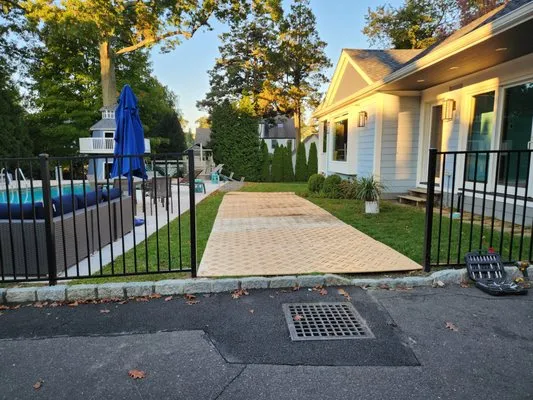
IVS Landscaping And Masonry is a full-service Bridgeport contractor specializing in transforming and maintaining outdoor spaces. We combine expertise in excavation, masonry, and landscape design to bu...
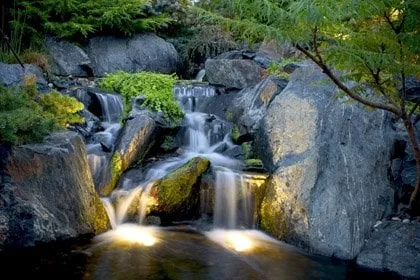
TJB Landscape & Drainage Contractor
TJB Landscape & Drainage Contractor has been serving Hamden and South Central New England since 1976, growing from Ted J Greiner's neighborhood handyman services into a full-service design and build f...
Alpha Hardscapes is a licensed landscaping and hardscaping company based in Bridgeport, CT. Our team of skilled professionals specializes in creating custom outdoor living spaces, from initial design ...
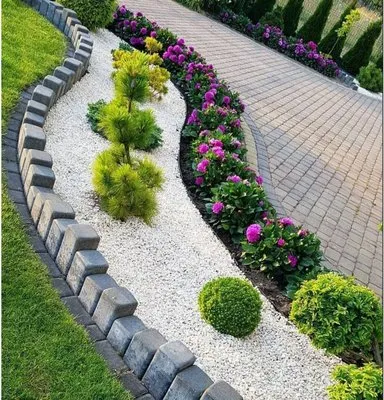
Onlyonce Landscaping is a Bridgeport-based landscaping company dedicated to transforming and maintaining outdoor spaces for local homeowners. We specialize in comprehensive services including gardenin...
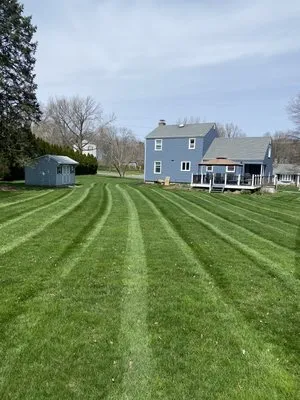
Since 1994, Paradise Landscaping has been a trusted, licensed provider of comprehensive outdoor solutions for Stratford and surrounding areas. We combine horticultural expertise with professional maso...
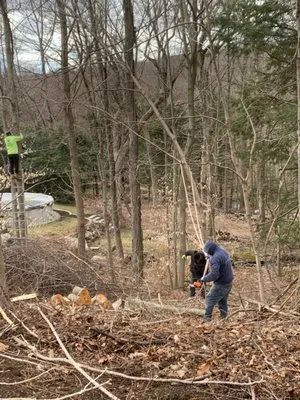
Vasquez K&K is a trusted, family-run business serving Danbury, CT, and surrounding communities. Specializing in comprehensive landscaping, expert tree services, and durable masonry work, they bring re...
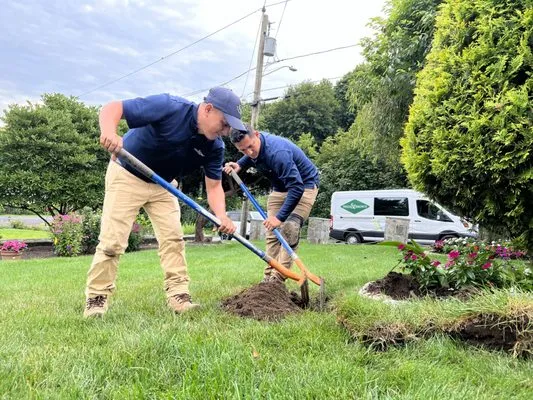
Teed & Brown is a Norwalk-based lawn care company founded in 1995 by Peter Teed and Christopher Brown, combining Peter's hands-on Connecticut lawn care experience with Chris's Turfgrass Science degree...
Estimated Landscaping Service Costs in Bethlehem Village, CT
FAQs
What permits and licenses are needed for regrading my large lot?
Grading work on a 1.5-acre lot often requires a permit from the Bethlehem Planning & Zoning Commission for erosion control. The contractor must hold a Home Improvement Contractor license from the CT Department of Consumer Protection. This ensures they carry proper insurance and adhere to state regulations, which is critical for managing significant earth movement and drainage alterations.
What should I do about invasive plants like Japanese Knotweed?
Invasive species alert: early identification is critical for Japanese Knotweed or Mugwort. Manual removal or targeted, licensed herbicide application is required. All treatments must comply with the statewide phosphorus ban for established lawns. Schedule interventions outside of sensitive seasonal windows to protect soil and water health.
How do I keep my lawn green under Stage 1 water restrictions?
Smart Wi-Fi ET-based irrigation is calibrated for your Kentucky Bluegrass and Fine Fescue mix. It uses real-time evapotranspiration data to apply only the water lost to atmosphere and soil. This system avoids overwatering during high seasonal saturation. It ensures voluntary conservation compliance while maintaining turf health through precise scheduling.
My yard floods every spring. What's the best long-term solution?
Glacial till compaction beneath your acidic fine sandy loam creates a high seasonal saturation hazard. Installing subsurface drainage tied to dry wells addresses this. Using permeable bluestone pavers for patios reduces surface runoff. These methods meet Bethlehem Planning & Zoning Commission standards for managing stormwater on-site.
How quickly can you respond to an urgent storm damage call?
For emergency cleanup or HOA compliance, we dispatch crews from the Bethlehem Town Green via CT-61. Our peak storm response window is 45-60 minutes. This accounts for traffic, debris clearance, and coordinating with municipal services. We prioritize safety and securing the property from further damage upon arrival.
What are lower-maintenance alternatives to my traditional lawn?
Replacing high-input turf with a native plant community reduces water and chemical use. Eastern Redbud, Highbush Blueberry, and Switchgrass are adapted to Zone 6a and acidic soils. This landscape supports pollinators and requires no gas-powered blowers, aligning with evolving noise ordinances. It builds ecological resilience ahead of regulatory trends.
Is bluestone or pressure-treated wood better for a new patio?
Bluestone offers superior longevity and permeability compared to wood, which decays. Its non-combustible nature supports defensible space requirements in our Moderate (WUI Zone 2) fire risk rating. Bluestone's thermal mass moderates surface temperature, and its installation, when done correctly, minimizes future maintenance and replacement cycles.
Why does my lawn look thin and struggle despite regular care?
Bethlehem Center properties, developed around 1972, feature soil over 50 years old. This acidic fine sandy loam has become compacted from glacial till, reducing permeability. Decades of foot traffic and machinery have degraded soil structure, limiting root depth. Core aeration and amending with compost are essential to restore pore space and biological activity.
