Top Landscaping Services in Bethlehem, CT, 06751 | Compare & Call

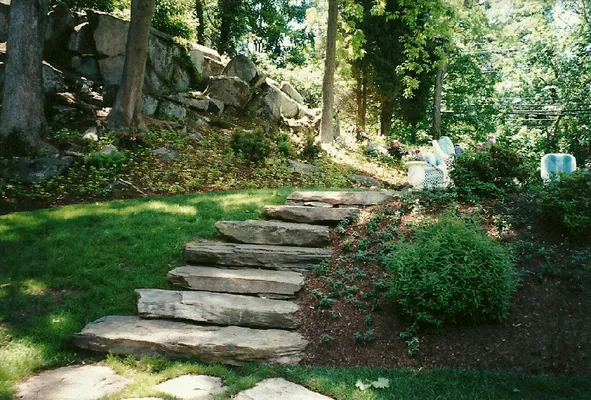
Creative Landscape Design
Creative Landscape Design is a trusted, locally-owned landscape and construction company serving Bethlehem, CT, and Fairfield County since 1997. As a licensed and insured contractor, they specialize i...
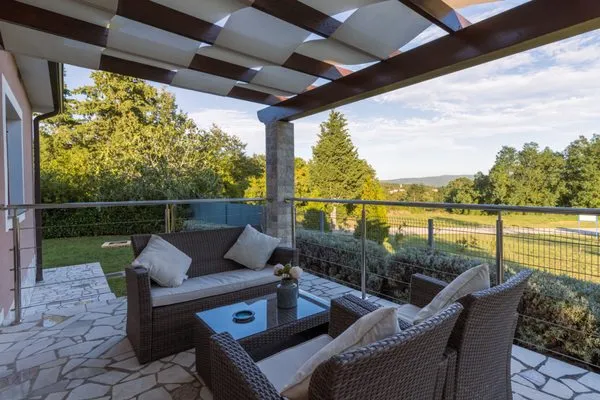
Excellence Masonry and Contracting
Excellence Masonry and Contracting is a multi-generation family business with over 24 years of experience serving Bethlehem, CT and surrounding areas. Specializing in masonry, concrete, landscaping, a...
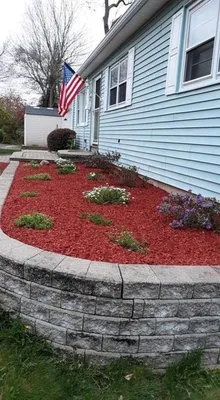
Prosperity landscaping
Prosperity Landscaping is a trusted Bethlehem, CT contractor specializing in comprehensive lawn services, masonry, and concrete work. We help local homeowners address common issues like dead lawn patc...

Brooks Landscaping
Brooks Landscaping is a Bethlehem, CT-based company providing comprehensive lawn and landscape services to homeowners and businesses throughout the region. With expertise in landscape design, lawn car...
Frequently Asked Questions
With voluntary water conservation in effect, how can we keep our Kentucky Bluegrass lawn healthy through the summer?
Smart Wi-Fi ET-based irrigation systems are calibrated to the local evapotranspiration rate, applying water only when the turfgrass mixture of Kentucky Bluegrass and Fine Fescue shows a deficit. This technology prevents overwatering during periods of normal voluntary conservation by using weather sensing data. It maintains soil moisture at root depth without exceeding municipal guidelines, which is particularly effective on sandy loam soils that drain quickly.
We're adding a patio and are deciding between bluestone and wood decking. Which offers better longevity and safety here?
Bluestone pavers provide superior longevity and require no chemical treatments, unlike wood which decays and needs periodic sealing. In Bethlehem's Moderate Fire Wise rating zone, non-combustible hardscape like bluestone is recommended to create defensible space. Its permanence and permeability also make it a better investment for managing the property's drainage profile over decades.
We've spotted invasive Japanese Knotweed on our property. How do we eradicate it without harming our lawn or violating local rules?
Japanese Knotweed requires a targeted, systemic herbicide application, best performed by a licensed professional. Treatment plans are timed outside of peak growth to minimize herbicide use and strictly adhere to Connecticut's statewide ban on phosphorus fertilizers for established lawns. Manual removal is ineffective for this species, and proper disposal is legally required to prevent further spread.
Our lawn looks thin and compacted, and our house was built in the 1970s. Could our soil be the problem?
Properties in Bethlehem Center built around 1972 typically sit on over 50-year-old landscapes where the original topsoil has been depleted. The prevalent acidic sandy loam degrades over time, losing structure and organic matter, which leads to compaction and poor water retention. For lawns on 1.5-acre lots, core aeration every other fall is critical to break up the pan and incorporate compost. This process addresses the inherent low pH (5.5-6.2) and improves permeability for the native root systems.
We have persistent soggy areas and worry about frost heave damaging our walkways. What's the best long-term solution?
A high seasonal water table combined with frost heave is a common challenge in Bethlehem's acidic sandy loam. Installing a French drain system tied to a dry well can intercept subsurface water. For new hardscape, specifying permeable base materials beneath bluestone pavers increases infiltration, often a requirement for the Bethlehem Land Use Office to manage stormwater runoff on larger properties.
A storm brought down several large limbs, and our HOA requires a rapid cleanup. How quickly can a crew arrive?
For emergency storm response in Bethlehem, a dispatched crew typically routes from the Memorial Hall area via Route 61 to reach Bethlehem Center. During peak conditions, travel time is 45-60 minutes. Crews operate within the local noise ordinance window of 7:00 AM to 9:00 PM, using electric chippers and haulers to minimize disturbance while securing the site for safety and compliance.
We're tired of weekly mowing and gas equipment noise. Is there a lower-maintenance, quieter landscape alternative?
Transitioning perimeter areas to a planting of Eastern Redbud, Joe Pye Weed, Little Bluestem, and Swamp Milkweed creates a resilient, native ecosystem that requires no mowing and minimal watering once established. This approach aligns with evolving noise ordinances restricting gas blowers and supports 2026 biodiversity standards. It also reduces the maintenance footprint on a 1.5-acre lot significantly.
We want to regrade a slope for better drainage. What permits and contractor qualifications do we need?
Regrading a slope on a 1.5-acre lot in Bethlehem typically requires an Earth Excavation Permit from the Bethlehem Land Use Office, as it alters stormwater flow. The contractor must hold a Home Improvement Contractor license from the Connecticut Department of Consumer Protection. This ensures they carry the proper insurance and understand state sediment control regulations, which are critical for preventing off-site erosion.
