Top Landscaping Services in Bethel, CT, 06801 | Compare & Call
There are 234 landscaping companies server in Bethel CT
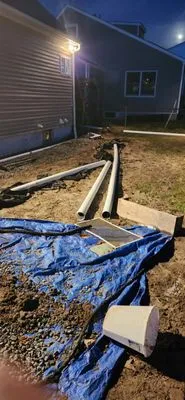
JS Landscaper has been serving Danbury, CT homeowners and businesses for over 20 years, providing reliable landscaping and lawn care services. Our experienced team specializes in transforming outdoor ...

Gome Landscaping is a trusted, locally-owned landscaping company serving Danbury, CT. We understand the common challenges homeowners face, like persistent bare spots in lawns and aggressive weed overg...

TruGreen Lawn Care in Danbury, CT, is a local provider specializing in comprehensive lawn and tree services for the community. We offer tailored lawn care plans including aeration, overseeding, fertil...
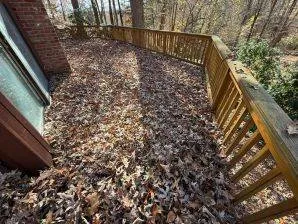
MRO Landscaping, LLC has been a trusted name in Danbury and across Fairfield County since 2011. As an owner-operated business, we provide hands-on expertise for residential and commercial clients, foc...
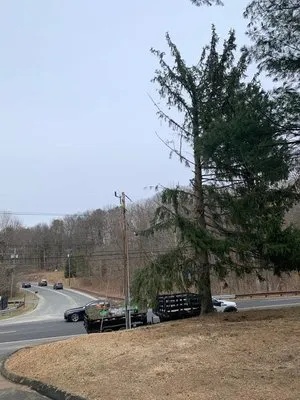
For over 11 years, L&t Tree Services has been a trusted, locally-owned provider in Danbury, CT, bringing two decades of expertise to every project. We are a fully licensed and insured company offering...
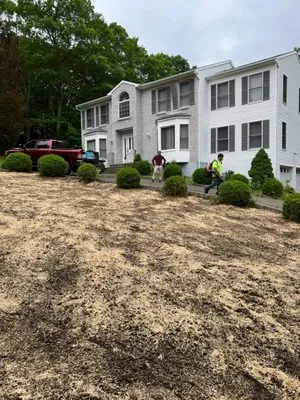
Toby's Landscaping is a full-service outdoor contractor serving Danbury, CT, dedicated to transforming and maintaining residential properties. We combine expertise in landscaping, masonry, and excavat...

For over 15 years, FP Landscaping & Masonry has been a trusted, family-owned provider of landscaping and masonry services for residents and businesses across Fairfield County, CT, and Northern Westche...

Lawn Doctor of Ridgefield-Danbury/New Fairfield-New Milford/Branford-Guilford-Madison is a local, family-owned business operated by David and Cindy Callahan for over 40 years. They bring a community-f...
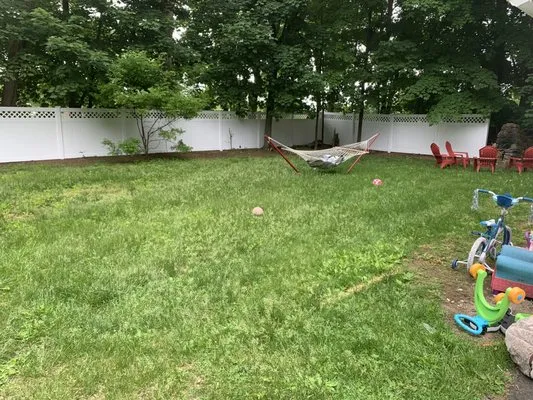
Roots Landscaping
Roots Landscaping is a family-owned and operated contractor based in Bethel, CT, with over 17 years of experience serving the Greater Danbury area, including Bethel, Danbury, Ridgefield, Redding, Broo...
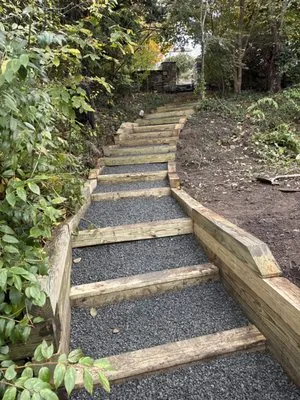
Lozada’s Landscaping & Tree Services, LLC provides comprehensive outdoor care for homes and businesses throughout Danbury and Fairfield County. As a local, family-owned company, we focus on the specif...
Estimated Landscaping Service Costs in Bethel, CT
Q&A
How can I reduce maintenance while complying with evolving noise regulations?
Transitioning from high-maintenance turf to native plantings like Eastern Redbud, Switchgrass, and Wild Bergamot reduces mowing frequency and eliminates gas-powered equipment use. These species adapted to Zone 6b require minimal irrigation once established, aligning with 2026 biodiversity standards. This approach anticipates stricter noise ordinances while creating habitat corridors through Bethel's Wildland-Urban Interface zones.
Why does my Bethel Center lawn have drainage issues and poor grass growth?
Bethel Center properties built around 1975 have soil that has matured for approximately 51 years. The acidic sandy loam common in this area naturally compacts over decades, reducing permeability and creating seasonal saturation. Glacial till beneath the surface exacerbates water retention problems. Core aeration with organic amendments like composted leaf mold improves soil structure and addresses pH imbalances in the 5.5-6.5 range.
How quickly can you respond to storm damage for HOA compliance in Bethel?
Emergency cleanup crews dispatch from the Bethel Municipal Center, taking I-84 to reach most Bethel Center properties within 20-30 minutes during peak conditions. This response time accommodates immediate debris removal while adhering to noise ordinance restrictions of 7:00 AM to 8:00 PM on weekdays. Electric maintenance equipment ensures compliance with weekend operation limits during urgent situations.
What permits and licenses are required for grading my 0.45-acre Bethel property?
Grading projects on 0.45-acre lots require Bethel Land Use Office approval for erosion control and drainage plans. Connecticut Department of Consumer Protection licensing ensures contractors understand statewide phosphorus bans and proper soil handling techniques. Professional certification demonstrates competency in managing glacial till compaction issues while adhering to all municipal and state environmental regulations.
Are bluestone and permeable pavers better than wood for Bethel's climate?
Bluestone and permeable concrete pavers offer 25+ year durability compared to wood's 10-15 year lifespan in Bethel's freeze-thaw cycles. These materials maintain structural integrity while providing fire-resistant defensible space per moderate Wildland-Urban Interface ratings. Their permeability reduces runoff by 70-80% compared to solid surfaces, addressing both longevity and environmental compliance requirements.
What solutions address seasonal saturation in Bethel's glacial till soils?
High seasonal saturation in acidic sandy loam requires subsurface drainage systems with proper grading toward permeable areas. Installing permeable concrete pavers or bluestone with gravel bases increases infiltration rates by 40-60% compared to traditional hardscapes. These solutions meet Bethel Land Use Office runoff standards while addressing the compaction issues inherent to glacial till substrates.
Can I maintain Kentucky Bluegrass and Fine Fescue during Bethel's water restrictions?
Smart Wi-Fi ET-based weather sensing irrigation systems optimize water application by calculating evapotranspiration rates specific to Bethel's Zone 6b climate. These systems adjust schedules based on real-time weather data, reducing water use by 20-30% while preserving turf health. This approach meets Stage 1 voluntary conservation requirements while maintaining the cool-season grass mix through seasonal dry periods.
What invasive species threaten Bethel landscapes and how should they be treated?
Japanese knotweed and garlic mustard present significant risks in Bethel's disturbed soils near I-84 corridors. Manual removal before seed set combined with targeted organic herbicides avoids phosphorus runoff violations. Treatment timing outside spring nutrient application windows prevents ordinance conflicts while preserving soil microbiology. Regular monitoring prevents re-establishment in the moderate fire risk interface areas.
