Top Landscaping Services in Bethany, CT, 06524 | Compare & Call

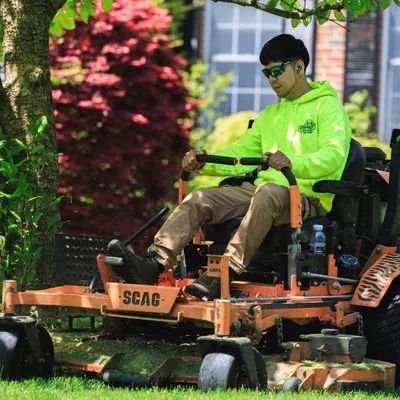
Thomas Capasso founded Capasso Landscaping in 2010 on a foundation of hard work, honesty, and craftsmanship. Starting as a small family operation, the company has grown into a trusted, full-service la...

Amity Gardens Center LLC is your full-service landscaping and gardening partner in Bethany, CT. We specialize in transforming local yards with comprehensive services including landscape design, instal...

CT GardenScapes in Bethany, CT, is a locally owned landscaping business founded by a horticulture and landscape design expert with over 15 years of hands-on experience. After studying in Minnesota and...
Hoss Services is your trusted, year-round outdoor partner in Bethany, CT. We understand the unique challenges homeowners in our area face, like patchy, struggling lawns and persistent yard drainage pr...
NRV Services is a family-owned and operated landscape design and tree removal company serving Bethany, CT. With over a decade of combined experience, our team brings dependable expertise to every proj...
Big Oak Services
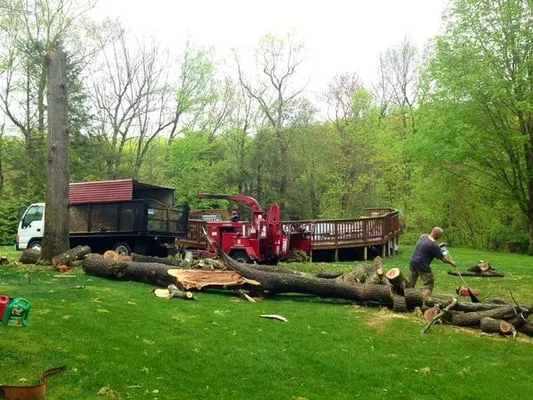
Big Oak Services has been a trusted name in Bethany, CT, since 1989, providing comprehensive landscaping, nursery, and tree care solutions. We specialize in landscape maintenance, tree care, removal, ...
Dirt N More Property Services
Dirt N More Property Services is your trusted local partner in Bethany, CT, for tackling common landscaping challenges like soil compaction and irrigation leaks. As a full-service property maintenance...
Valenti Landscaping is a trusted, locally-owned landscaping company serving Bethany, CT, and the surrounding communities. We specialize in addressing the specific challenges homeowners face in our are...

Serving Bethany, CT, East Coast Lawn Landscaping & Trucking Service is your local expert for a healthy, beautiful property. We understand the specific challenges homeowners face in our area, including...
Click Lawn & Snow Removal is a trusted local provider in Bethany, CT, specializing in comprehensive lawn care and snow removal services. Many Bethany homeowners face common landscaping challenges like...
Common Questions
Why does my Bethany Center lawn struggle to absorb water, and what's the best fix?
Bethany homes, averaging 55 years old, have mature soil profiles. The prevalent Acidic Fine Sandy Loam (pH 5.5-6.2) tends to compact over decades, reducing permeability and creating a hydrophobic layer. Annual core aeration is critical to break this layer and improve water infiltration. Following aeration, top-dressing with a composted organic amendment will gradually build stable soil structure and support healthier turf and root systems.
My yard has persistent soggy areas. What's a lasting solution for Bethany's wet conditions?
Seasonal saturation is common due to Bethany's high water table and dense, acidic subsoils. The primary solution is installing subsurface drainage, like perforated pipe in gravel trenches, to intercept and redirect groundwater. For any new patios or walkways, specify permeable concrete pavers or open-grid bluestone settings. These materials meet Bethany Building & Zoning Department runoff standards by allowing precipitation to recharge the soil rather than becoming surface flow.
What permits and credentials are needed for regrading and drainage work on my 2-acre lot?
Significant earthmoving or drainage alterations on a 2-acre property in Bethany typically require an Earth Moving Permit from the Bethany Building & Zoning Department. The contractor must hold a Home Improvement Contractor (HIC) license from the Connecticut Department of Consumer Protection. For engineered drainage systems or work impacting wetlands, additional state or local approvals may be necessary. Always verify both the permit and the contractor's license before work begins.
What invasive species should I watch for, and how do I remove them safely?
Key alerts are for Japanese Barberry, Burning Bush, and Garlic Mustard, which outcompete natives. Manual removal for young plants is effective. For established invasions, targeted, professional-grade herbicide application is often necessary. All treatments must comply with Connecticut's statewide phosphorus restrictions (PA 12-155); we use only phosphorus-free products and adhere to seasonal blackout dates to protect watersheds. Always dispose of invasive plant material in the trash, not compost.
I want to reduce mowing and gas equipment noise. What are my options?
Transitioning perimeter zones to a native plant community is the most effective strategy. Species like Mountain Laurel, Highbush Blueberry, and Little Bluestem are adapted to Zone 6b and acidic soils, requiring no fertilization, minimal water, and no weekly mowing. This reduces dependency on gas-powered blowers and mowers, future-proofing your property against tightening noise ordinances. It also significantly enhances local biodiversity and habitat value.
Can you handle an urgent HOA violation notice for storm debris cleanup in Bethany?
Yes. For an emergency compliance cleanup in Bethany Center, our electric fleet can dispatch from near the Bethany Town Hall. The route via CT-63 is optimized for a 45-60 minute arrival during peak response windows, allowing work to commence within local noise ordinance hours (7:00 AM - 8:00 PM). We prioritize securing the site and removing visible debris to meet immediate compliance standards before performing a detailed horticultural assessment.
Is bluestone or wood a better choice for a patio in our area?
Bluestone or permeable concrete pavers are superior for longevity and fire resilience. Wood decks require constant sealing and deteriorate in our humid climate. In contrast, stone and concrete offer a permanent, low-maintenance surface. For properties in Moderate Wildland-Urban Interface (WUI) zones, these non-combustible materials contribute to defensible space requirements, a critical factor for insurance and safety that wood cannot provide.
How can I maintain my Kentucky Bluegrass lawn under Bethany's water monitoring rules?
Smart Wi-Fi soil moisture sensor controllers are essential. They apply water based on actual evapotranspiration (ET) and root zone saturation, not a fixed schedule. This prevents overwatering the naturally moist, high water table soils and keeps usage within municipal guidelines. Properly calibrated, this technology sustains turf health while conserving 20-40% more water than traditional timer-based systems, aligning with long-term regional water stewardship goals.
