Top Landscaping Services in Berlin, CT, 06023 | Compare & Call

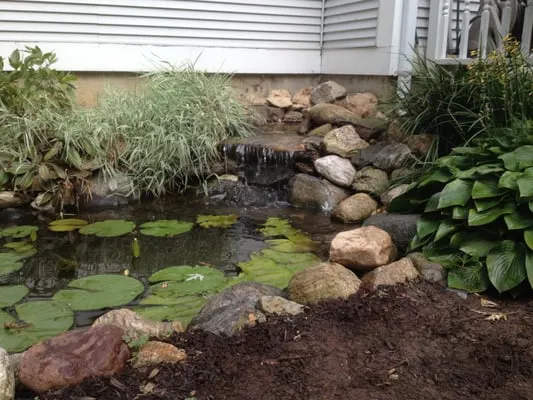
Founded in 1984 by Steve Walowski, a graduate of Delaware Valley College with a degree in Landscaping & Groundskeeping, Hillside Landscaping Co. brings decades of dedicated experience to Berlin, CT, a...
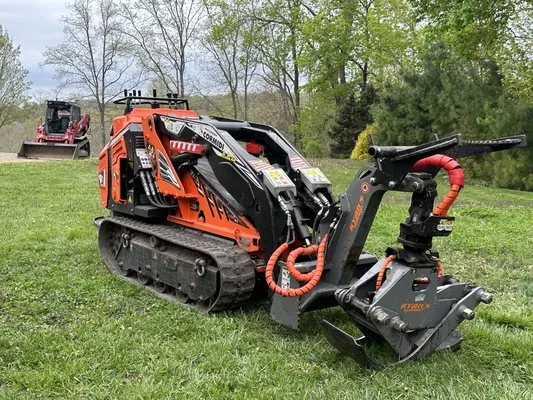
At Luca & Sons Landscaping, our mission is rooted in a simple, powerful promise: we care for our customers and their yards. With over a decade of service to Berlin and surrounding communities, we brin...

Berlin Stone and Mulch is a family-owned and operated supplier of landscaping and construction materials in Berlin, Connecticut. We specialize in providing high-quality decorative stone, premium mulch...
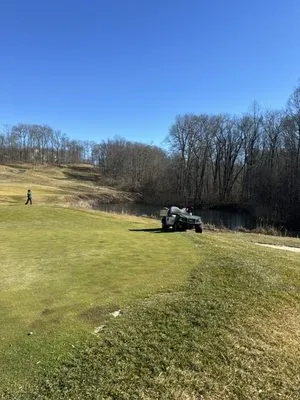
Garcia Landscaping & Snow Removal is a family-owned business serving Berlin, CT, with over a decade of experience transforming outdoor spaces. Founded by a local family passionate about the outdoors, ...
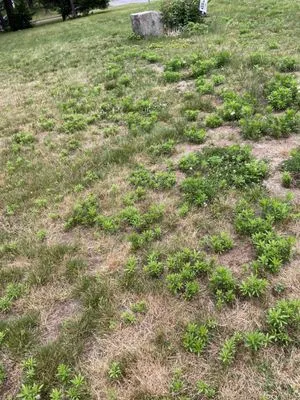
Central Ct Lawn Service is a family-owned landscaping company that has been serving Berlin, CT, and the surrounding communities since 1990. With over three decades of experience, they have built a rep...
K M O Landscaping & Design is a trusted local landscaping company serving Berlin, CT, and the surrounding area. We understand the common challenges homeowners face, such as dying garden plants and pat...
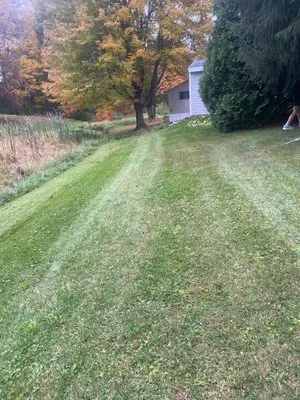
GD Landscaping is a Berlin, CT-based company providing comprehensive outdoor solutions for residential and commercial properties. Specializing in landscaping, snow removal, and tree services, we help ...
Alan's Landscaping is a trusted Berlin, CT-based landscaping company dedicated to solving the specific challenges faced by local homeowners. We understand the issues unique to our area, such as rock g...

Joe's Contracting is a trusted general contracting and landscaping company serving Berlin, CT, and the surrounding communities. We understand the unique challenges local homeowners face, especially wi...
Wojas Lawn Service & Landscaping is your local Berlin, CT expert for a greener, healthier lawn. We specialize in comprehensive lawn care to tackle common local challenges like uneven sprinkler coverag...
FAQs
What solves persistent puddling in my yard after heavy rains?
Berlin's high seasonal water table and poor glacial till drainage require engineered solutions. Installing permeable concrete pavers or natural fieldstone with ¼-inch joint spacing allows 4-8 inches per hour infiltration rates. These systems direct surface runoff to dry wells or infiltration trenches, meeting Berlin Building & Land Use Department runoff standards. For severe cases, French drains with clean washed stone and geotextile fabric provide subsurface drainage while preserving soil structure.
Can I maintain Kentucky Bluegrass during Stage 1 water restrictions?
Wi-Fi ET-based weather sensing irrigation systems optimize Kentucky Bluegrass and Fine Fescue mixes within voluntary conservation limits. These systems calculate evapotranspiration rates daily, adjusting runtime to deliver 1-1.5 inches weekly during peak growing seasons. Programming deep, infrequent watering cycles between 4-8 AM maximizes soil penetration while minimizing evaporation loss. This approach maintains turf health while reducing municipal water consumption by 25-40% compared to traditional timer-based systems.
How quickly can you respond to storm damage for HOA compliance?
Emergency cleanup crews dispatch from Berlin Veterans Memorial Park via CT-9, reaching Berlin Center properties within 20-30 minutes during peak conditions. This response window accommodates debris removal and safety hazard mitigation while complying with Berlin's 7:00 AM noise ordinance for equipment operation. Crews prioritize electric-powered equipment for early morning responses, minimizing disturbance while addressing immediate landscape restoration needs.
How can I reduce maintenance while supporting local ecology?
Transitioning high-maintenance turf to native plantings like Common Milkweed, New England Aster, Joe-Pye Weed, and Little Bluestem creates resilient landscapes. These species require minimal irrigation once established and support pollinator populations throughout USDA Zone 6b. Electric maintenance equipment operates quietly within noise ordinance restrictions while eliminating gas emissions. This approach reduces mowing frequency from weekly to seasonal, cutting maintenance hours by 60-70% annually.
What permits and licenses are needed for grading my 0.45-acre lot?
Grading projects on 0.45-acre Berlin properties require Berlin Building & Land Use Department permits for earth moving exceeding 50 cubic yards. Contractors must hold Connecticut Department of Consumer Protection Home Improvement Contractor licensing, which includes bonding and insurance requirements. Specific licensing demonstrates competency in erosion control, stormwater management, and compliance with local grading ordinances. Unlicensed grading risks fines up to $1,000 per violation and may void property insurance coverage during extreme weather events.
Why does my Berlin Center lawn have patchy grass despite regular watering?
Berlin's acidic sandy loam soil, with pH 5.5-6.5, has matured for 57 years since typical 1969 construction. This aging soil profile often develops compaction layers that restrict root penetration and water infiltration. Core aeration with organic amendments like composted leaf mold addresses permeability issues while maintaining soil acidity for native species. Regular soil testing every 2-3 years monitors pH stability and nutrient availability in this glacial till-influenced substrate.
Should I choose concrete pavers or wood for my new patio?
Concrete pavers and natural fieldstone offer superior longevity to wood in Berlin's climate, with 25-40 year lifespans versus wood's 10-15 years. These materials maintain structural integrity through freeze-thaw cycles while providing non-combustible surfaces that support Berlin's low Firewise rating requirements. Proper installation with 4-6 inches of compacted base material ensures stability and drainage, creating defensible space around structures without contributing to fire ladder fuels.
What's the safest way to control invasive plants in my garden?
Japanese knotweed and garlic mustard present the highest invasive risks in Berlin's acidic soils. Manual removal during early growth stages prevents seed dispersal without chemical intervention. For established infestations, targeted glyphosate applications in fall minimize impact on native species while complying with Connecticut's phosphorus restrictions for established lawns. Always coordinate treatments outside of blackout dates specified in CT Gen Stat 22a-498a, typically avoiding spring runoff periods.
