Top Landscaping Services in Beacon Falls, CT, 06403 | Compare & Call
There are 231 landscaping companies server in Beacon Falls CT
Keating Property Services
Keating Property Services is a family-owned landscaping and snow removal company with over 30 years of experience serving Cheshire, CT, and the greater Hamden area, including North Haven, Wallingford,...
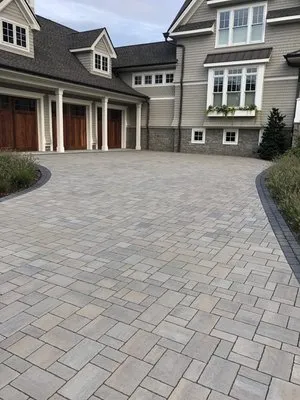
Brad Hull Landscaping Services began as a one-man, one-mower operation in 2001 and has grown into a trusted, full-service design, installation, and maintenance firm serving Old Saybrook and the Connec...

My Two Sons Lawn Care is a trusted, family-run lawn service provider dedicated to helping Seymour homeowners achieve and maintain a healthy, vibrant yard. We understand the specific challenges in our ...
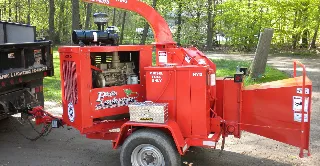
For over 30 years, Phil's Landscaping has been a trusted name for property care in Oxford, CT. We provide comprehensive year-round services to keep your home's exterior looking its best, from weekly l...
Amerigreen Lawncare is a Seymour-based lawn service dedicated to helping homeowners achieve and maintain healthy, beautiful yards. We understand the specific challenges local properties face, such as ...

CT GardenScapes in Bethany, CT, is a locally owned landscaping business founded by a horticulture and landscape design expert with over 15 years of hands-on experience. After studying in Minnesota and...
JJBM Landscaping & Tree Removal
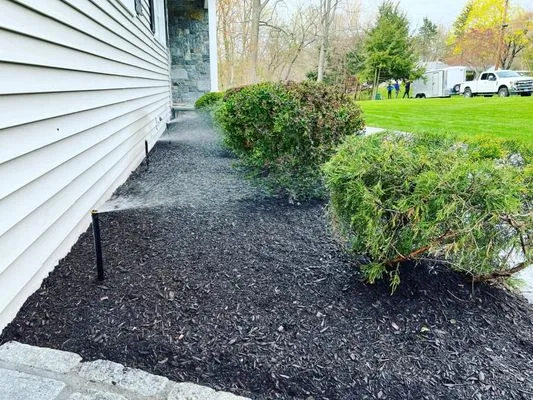
JJBM Landscaping & Tree Removal is a family-owned business serving Ansonia, CT, and surrounding areas since 2009. We specialize in comprehensive tree services, landscaping, and masonry/concrete work, ...
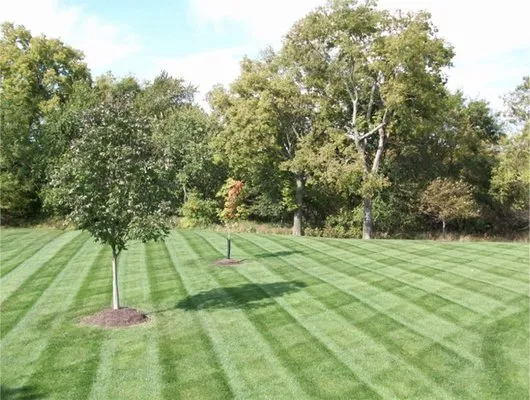
Tick & Turf is a locally-owned and operated landscaping, tree care, and pest control company proudly serving Southbury, CT, and the surrounding Fairfield, New Haven, and Litchfield Counties. As a full...
MAG Landscaping is a fully insured, family-owned landscaping company serving Monroe, CT, with 24 years of combined experience. Founded by Mike Guarino, who grew up helping in his father's landscaping ...

Gregory Construction is your trusted local partner for property solutions in Seymour, CT. Specializing in excavation, lawn care, snow removal, and trench digging, we understand the common challenges h...
Estimated Landscaping Service Costs in Beacon Falls, CT
FAQs
I'm tired of weekly mowing. What are lower-maintenance, eco-friendly alternatives to grass?
Transitioning to a landscape anchored by Connecticut natives like Little Bluestem, Wild Bergamot, and New England Aster drastically reduces mowing and watering needs. These plants are adapted to our Zone 6b climate and acidic soils, requiring no fertilizer and supporting local pollinators. This shift also future-proofs your property against potential tighter restrictions on gas-powered equipment noise and emissions.
We want to regrade part of our yard. What permits and contractor qualifications should we look for?
Regrading a 0.35-acre lot often requires a permit from the Beacon Falls Planning & Zoning Commission, especially if it alters water flow. You must hire a contractor licensed by the Connecticut Department of Consumer Protection. This ensures they carry proper insurance and adhere to state regulations, protecting you from liability for improper work that could cause erosion or drainage issues on your or a neighbor's property.
Our yard pools water after heavy rain. What's a lasting solution for our hilly property?
High runoff on glacial till is a primary drainage hazard here. Solutions include installing French drains or dry creek beds to redirect water. For hardscape areas, using permeable concrete pavers or native fieldstone in place of solid concrete can significantly increase ground absorption. These methods often meet Beacon Falls Planning & Zoning Commission standards for managing stormwater runoff on-site.
A storm knocked down a large limb. How quickly can a crew arrive for an emergency cleanup?
For an emergency cleanup in Beacon Falls Center, a crew can typically be dispatched within 20-30 minutes during peak hours. Our route from the Pent Road Recreation Complex uses CT-8 for efficient access. We prioritize safety hazards and coordinate arrival to comply with the local noise ordinance, which restricts operation to 7 AM to 8 PM on weekdays.
I've spotted invasive vines and weeds. How should I handle them without harming my lawn or breaking local laws?
For invasive species like Japanese knotweed or garlic mustard, manual removal or targeted, approved herbicide application is necessary. Crucially, any treatment must comply with Connecticut's Phosphorus Law, which prohibits phosphorus-containing fertilizers on established turf. Always check product labels and apply outside of any seasonal blackout dates to avoid penalties and protect local waterways.
Our lawn seems thin and water runs off quickly. Is this just age, or is there a soil issue specific to our area?
This is a classic sign of soil compaction common in Beacon Falls Center homes built around 1974, which are now over 50 years old. Construction equipment compacted the native acidic sandy loam, degrading its structure. The glacial till subsoil impedes drainage, creating the runoff you see. To restore permeability and health, core aeration and incorporating composted organic matter are essential to rebuild soil biology and water retention.
We're adding a patio. Is wood or stone better for longevity and safety in our wooded neighborhood?
Native fieldstone or concrete pavers are superior to wood for durability and fire resistance. Given Beacon Falls' Moderate Wildland-Urban Interface rating, creating defensible space is prudent. Non-combustible hardscapes like stone provide a permanent, low-maintenance barrier that doesn't decompose, contributing to a safer perimeter around your home compared to wooden decks.
How can I keep my Kentucky Bluegrass lawn healthy during summer while following water conservation rules?
Under Stage 1 voluntary conservation, an ET-based Wi-Fi irrigation system is critical. It automatically adjusts watering schedules using real-time weather data to apply only the precise water lost to evapotranspiration. This prevents overwatering, encourages deeper root growth in your fescue blend, and keeps your lawn resilient while staying well within municipal water use expectations.
