Top Landscaping Services in Avon, CT, 06001 | Compare & Call
There are 215 landscaping companies server in Avon CT
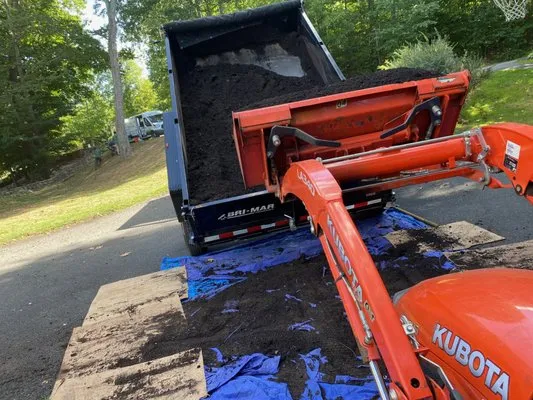
Organic Nature Lawn is a Danbury-based landscaping company founded in 2013 that specializes in organic and sustainable lawn care practices. Accredited by the Northeast Organic Farming Association (NOF...
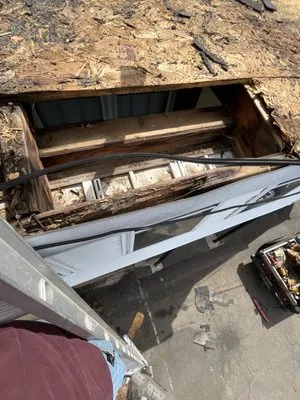
Shelby Services is a woman-owned construction and landscaping company serving Oxford, CT, with over 30 years of experience. We specialize in both commercial and residential projects, offering comprehe...
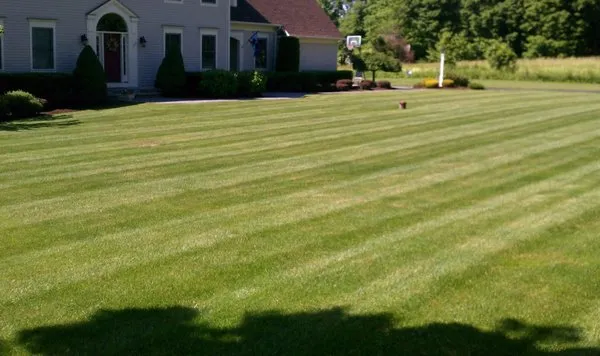
Anthony Dorso III, owner of Custom Grounds LLC in Prospect, has been dedicated to lawn care for over 20 years. Since founding the company in 2003, he has refined a specialized focus on environmentally...
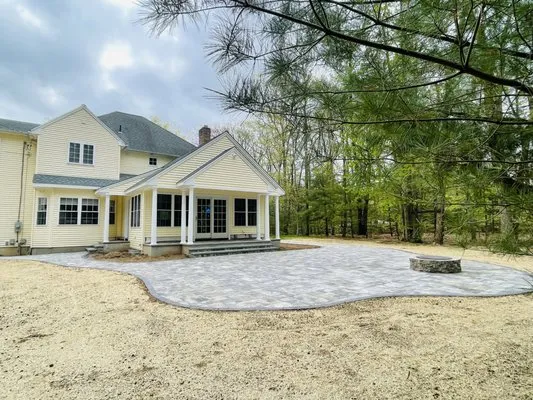
Rivera Brothers Landscaping
Founded in 2010, Rivera Brothers Landscaping LLC is a Bloomfield-based family business dedicated to transforming local outdoor spaces. We specialize in a comprehensive range of services, from initial ...
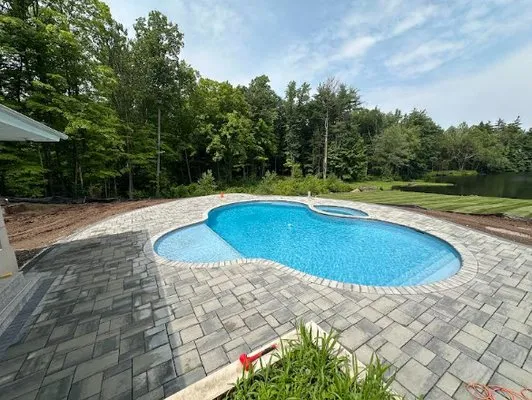
M&G Landscaping, LLC
Founded with a hands-on work ethic, M&G Landscaping, LLC has grown from a small West Hartford operation into a trusted, full-service landscape contractor serving Connecticut for over a decade. Startin...
Yello Landscaping
Yello Landscaping is a licensed and insured landscaping and general contracting company serving the Greater Hartford area since 2018. Founded by Justin Firmin, this local business specializes in trans...
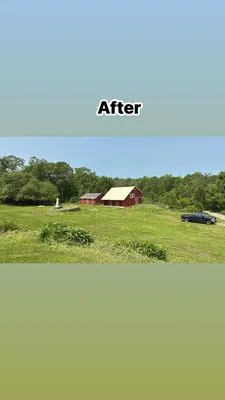
AVN Landscaping is a full-service landscaping company serving homeowners and businesses throughout New Britain, CT. We understand the local landscape challenges, from lawn moss to damaged sprinkler he...
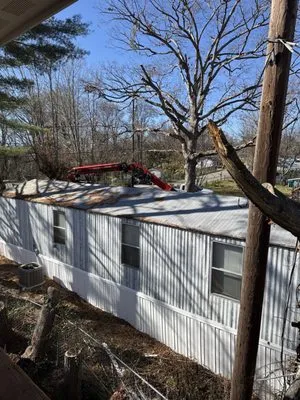
Trout Brook Landscaping is a West Hartford-owned and operated company, established here in 1988. With 15 years of hands-on experience in landscaping and contracting, owner Andrew has built a team know...
Year-Round Landscaping has been serving West Hartford, CT since 1983, founded by owner Mark Lombard. With decades of experience starting from his early days at Gledhill Nursery, Mark built a comprehen...
Elmwood Bark and Stone is a West Hartford, CT landscaping company dedicated to enhancing local outdoor spaces. We specialize in addressing common area challenges like bare lawn spots and tree root law...
Estimated Landscaping Service Costs in Avon, CT
Questions and Answers
Why does my lawn in Avon Center have such poor soil after decades of care?
Avon Center homes built around 1983 often have soil that has matured for over 40 years. This extended period without significant soil amendment, combined with our region's natural acidic sandy loam, typically results in severe compaction and nutrient depletion. The glacial till subsurface common here impedes root development and water infiltration. Core aeration and incorporating composted organic matter are essential to rebuild soil structure and correct the pH imbalance for healthy turf.
My yard in Avon floods every spring. What's the best long-term solution?
Spring flooding is a direct result of Avon's high seasonal water table and the poor infiltration rate of our underlying glacial till. Surface grading alone is insufficient. A subsurface French drain system, tied to a dry well or daylighted outlet, is often required. Using permeable bluestone pavers for patios or walkways can also reduce surface runoff, helping projects meet the Avon Planning Department's updated stormwater management standards.
Is there a lower-maintenance, eco-friendly alternative to my traditional lawn?
Transitioning sections of high-maintenance turf to a native plant community is a forward-thinking strategy. Species like Eastern Redbud, Switchgrass, and Joe-Pye Weed are adapted to Zone 6b and our acidic soils, requiring no fertilization and minimal watering once established. This approach reduces mowing frequency, eliminates gas-powered blower use ahead of stricter noise ordinances, and provides superior habitat value, aligning with 2026 biodiversity goals.
How quickly can you respond to an emergency tree cleanup after a storm?
For emergency storm response in Avon, a dispatch from the Avon Town Hall area allows for a direct route via CT-44. Our standard peak travel time to most neighborhoods is 25-35 minutes, contingent on road conditions. We coordinate with local authorities to prioritize safety hazards and can mobilize electric-powered equipment that complies with noise ordinances for after-hours work if necessary.
Are bluestone pavers a good choice for a new patio in Avon?
Bluestone is an excellent choice for durability and permeability compared to wood or solid concrete. Its natural cleft surface provides slip resistance, and when installed with a permeable base, it aids in managing Avon's drainage challenges. From a fire safety perspective, its non-combustible nature contributes to creating the defensible space recommended in our Moderate Wildland-Urban Interface rating, unlike wooden decks which can be a fuel source.
How do I keep my Kentucky Bluegrass lawn green during voluntary water restrictions?
Wi-Fi ET-based weather sensing irrigation is critical for compliance with Stage 1 voluntary conservation. This technology automatically adjusts watering schedules based on real-time evapotranspiration data, applying water only when the turf needs it. For acidic sandy loam, this prevents overwatering that leads to runoff and under-watering that stresses roots. Properly programmed, this system maintains turf health while reducing total municipal water usage significantly.
What permits and licenses are needed for a major landscaping project on my 0.75-acre lot?
Significant grading, drainage work, or structural walls typically require a permit from the Avon Planning and Community Development Department. Connecticut law mandates that any contracting work valued over $1,000 be performed by a contractor licensed by the Department of Consumer Protection. For a property of 0.75 acres, improper grading can impact stormwater systems and neighboring parcels, making licensed, insured professional oversight a legal and practical necessity.
What should I do about invasive weeds without using banned fertilizers?
Connecticut's phosphorus ban restricts most synthetic fertilizer use on established lawns, making a soil-health-first approach mandatory. For invasive species like Japanese knotweed or garlic mustard, targeted manual removal or approved organic herbicide applications are necessary. Timing treatments outside of spring nutrient runoff periods is crucial. Building soil health with compost tea and mycorrhizal inoculants strengthens native plant competition, providing a long-term cultural control.
