Top Landscaping Services in Wray, CO, 80758 | Compare & Call
There are 134 landscaping companies server in Wray CO
Evergreen Landscapes has been serving Yuma, CO, since 1996, providing reliable landscaping, irrigation, and snow removal services. We understand the local climate and soil conditions, helping homeowne...
James Landscape is a trusted, locally-owned landscaping company serving Sterling, Colorado, and the surrounding region. We specialize in diagnosing and solving the common local landscaping challenges ...
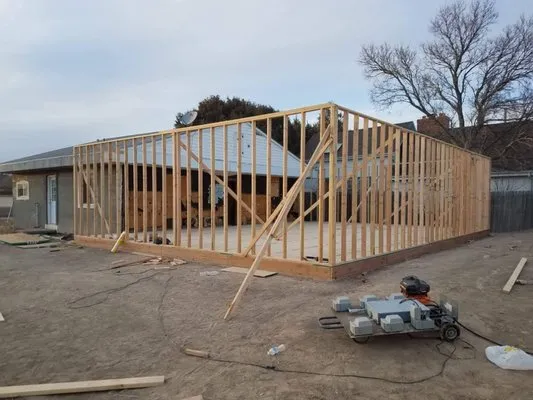
A Savavge Tree Service & Landscaping serves Fort Morgan and the surrounding area as a comprehensive solution for outdoor and home maintenance needs. While specializing in tree care and landscape const...
J N J’s Professional Services is a trusted, locally-owned company in Crook, CO, offering essential solutions for home maintenance challenges. Many area homes struggle with landscaping issues like over...
Pine Ridge Gardens Landscaping is a locally owned and operated landscaping company serving Merino, CO, and the surrounding areas. We specialize in addressing common local landscaping challenges, such ...

Top Notch Landscape Care is a trusted, full-service landscaping company serving Wray, CO, and the surrounding area. We specialize in creating and maintaining beautiful, resilient outdoor spaces tailor...

JS Home Repairs is a trusted, full-service contractor serving Brush and the surrounding area. We specialize in transforming homes and landscapes with expert services in drywall, flooring, and landscap...
Reese's Sprinkler & Landscape is a trusted, full-service irrigation and landscaping company serving Brush, CO, and the surrounding area. We specialize in designing, installing, and maintaining efficie...
Since 1971, Kettle River, LLC has been a trusted name for residential masonry and landscaping in Brush, CO. As a family-owned business with over five decades of experience, we specialize in transformi...

B&D Services is a trusted local provider in Brush, CO, offering comprehensive cleaning and lawn care solutions for both homes and businesses. We specialize in commercial deep cleaning, move-in/move-ou...
Estimated Landscaping Service Costs in Wray, CO
Frequently Asked Questions
How quickly can you respond for an urgent HOA compliance or storm cleanup?
For emergency cleanup in Downtown Wray, our routing from a central hub like Wray City Park via US Highway 34 allows for a reliable 15-20 minute response window. This accounts for local traffic patterns and aligns with municipal quiet hours for equipment operation. We prioritize securing the site and removing immediate hazards, such as downed limbs blocking driveways, to meet compliance deadlines swiftly.
Should I use wood or stone for a new patio or fire-safe zone?
For durability and fire resilience in our moderate Fire Wise zone, crushed native granite or permeable concrete are superior to wood. These inorganic materials provide the required five-foot defensible space without decomposing or fueling fire. They withstand our temperature extremes and high winds without maintenance. While initial cost may be higher, their longevity and compliance with fire mitigation guidelines make them a sound investment for Wray properties.
Can I have a green lawn while following the city's water conservation rules?
Yes, under Wray's Stage 1 voluntary conservation, maintaining Kentucky Bluegrass or Buffalograss is achievable with precise management. Smart Wi-Fi ET-based controllers, paired with in-ground soil moisture sensors, schedule irrigation based on real-time evapotranspiration data, not a fixed calendar. This system applies water only when and where the turf root zone needs it, often reducing usage by 20-30% while preserving turf health and staying within municipal guidelines.
What permits and licenses are needed to regrade and replant my quarter-acre lot?
Significant grading on a 0.25-acre lot in Wray typically requires a permit from the Wray City Clerk and Planning Department to ensure proper drainage and erosion control. Furthermore, any application of pesticides or fertilizers must be performed by or under the supervision of a professional licensed by the Colorado Department of Agriculture. This licensing ensures adherence to state environmental laws, including Phosphorus restrictions, protecting both your property and our local watershed.
What are the biggest weed threats and how do I handle them safely?
In Wray, invasive species like leafy spurge and Canada thistle pose significant risks, exploiting disturbed soil. Treatment requires an integrated approach starting with manual removal before seed set. For persistent issues, targeted herbicide application must be carefully timed to avoid statewide Phosphorus ordinance blackout dates near any drainage ways. Building dense, healthy stands of native plants is the most effective long-term defense, as they outcompete invaders and support local biodiversity.
Why does my soil seem so hard and dry compared to newer neighborhoods?
Properties in Downtown Wray built around the 1961 average have soil profiles over 60 years old. This extended timeline in our alkaline sandy loam (pH 7.9-8.2) has led to severe compaction and reduced organic matter, a process accelerated by high wind erosion. The low infiltration capacity common here means water runs off rather than percolating. Core aeration and incorporating compost are not just beneficial; they are essential interventions to rebuild soil structure and microbial life.
My yard pools water and then erodes in the wind. What's the solution?
This is a classic issue of our alkaline sandy loam's low infiltration capacity compounded by high wind erosion. The solution involves improving permeability at the source. Replacing non-porous surfaces with permeable materials like crushed native granite or permeable concrete patios allows water to infiltrate locally. For slopes, creating swales with native, deep-rooted plants slows runoff, reduces pooling, and anchors soil against the wind, meeting Wray City Planning Department's runoff management standards.
Is there a lower-maintenance alternative to my high-water turf grass?
Transitioning to a xeriscape featuring regional natives like Blue Grama, Buffalograss, Prairie Coneflower, and Rocky Mountain Bee Plant significantly reduces water, mowing, and chemical inputs. These plants are adapted to our zone 4b climate and alkaline soils. This forward-looking approach also aligns with evolving municipal noise ordinances, as electric maintenance equipment is quieter and often sufficient for native plant beds, staying ahead of potential gas-blower restrictions.
