Top Landscaping Services in Vail, CO, 81657 | Compare & Call

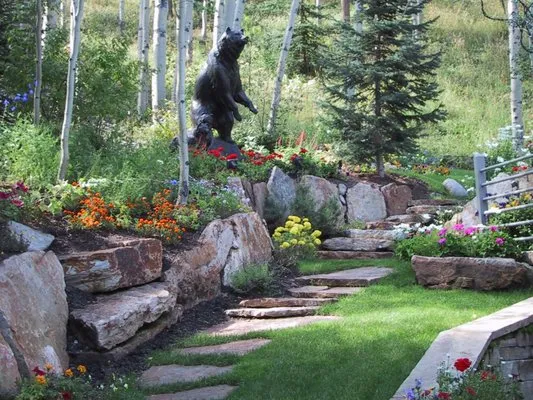
Landscape Technology Group
Landscape Technology Group brings over three decades of professional landscape experience to the Vail Valley, with a dedicated presence in the area since 1998. As a full-service, year-round firm, we p...
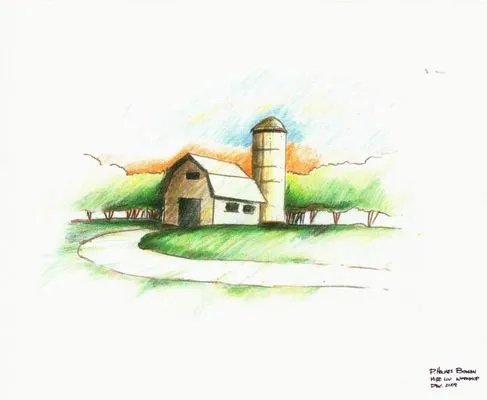
Founded in 2009 by a landscape designer with over 25 years of experience, Bowen Landscapes is a Vail Valley company built on deep local knowledge and formal education. The owner holds a Landscape Desi...
Oasis Irrigation
Oasis Irrigation in Vail, CO, helps residential and commercial properties achieve beautiful, sustainable landscapes through professional irrigation and design services. We specialize in creating and m...
ReliableMC is a Vail-based general contractor dedicated to providing dependable handyman, carpentry, and property maintenance services for Eagle County. We understand the unique needs of mountain livi...
Brush Creek Landscaping is a Vail-based company specializing in resolving the unique challenges of high-altitude landscaping, particularly standing water and plant mortality. Our team understands the ...

Henkes Associates is a premier Vail-based firm specializing in comprehensive landscape and irrigation solutions. Serving the local community, we expertly handle irrigation construction, design, repair...
Fitz & Gaylord Landscaping is a trusted, locally-owned landscaping company serving Vail and the surrounding mountain communities. We specialize in designing and maintaining resilient landscapes built ...
Hollywood Services is your trusted Vail landscaping partner, specializing in solutions for the unique challenges of high-altitude living. We understand that local homeowners often face issues like tre...
For over 25 years, Fitz Landscaping has been a trusted, locally owned partner for Vail Valley homeowners and businesses. Our experienced, licensed, and insured crew is dedicated to transforming and ma...
Vail Landscapes is a trusted local landscaping company in Vail, Colorado, specializing in artificial turf, comprehensive landscaping, and irrigation services. We help Vail homeowners and businesses ma...
Question Answers
We have an HOA inspection tomorrow and need emergency debris cleanup after a wind event. How fast can a crew arrive?
A crew can be dispatched from the Gerald R. Ford Amphitheater area, using I-70 for efficient access to Vail Village. Accounting for typical peak traffic, arrival is within 20 to 30 minutes. The service includes immediate removal of woody debris and leaf litter to meet compliance standards, utilizing electric-powered blowers and hauling equipment to adhere to local noise ordinances during permissible hours.
Is a wooden deck or a stone patio better for longevity and fire safety in our high-risk area?
In a Very High Fire Wise rating (WUI Zone 1), non-combustible materials are mandatory within the defensible space zone. Native flagstone or permeable cobblestone patios provide superior longevity against freeze-thaw cycles and eliminate fuel for embers. Wood decks, even with treated lumber, represent a continuous fuel source. Stone hardscapes also require less maintenance and align with defensible space requirements to protect your property.
I'm tired of weekly mowing and gas blower noise. What's a lower-maintenance, eco-friendly alternative to my lawn?
Transitioning high-input turf to a climate-adaptive xeriscape with native plants is a forward-looking solution. Species like Rocky Mountain Penstemon, Blanketflower, and Common Yarrow require no fertilization, minimal water once established, and no weekly mowing. This conversion significantly reduces the need for gas-powered equipment, aligning with evolving noise ordinances and supporting local biodiversity and pollinator habitats ahead of regulatory trends.
Spring snowmelt causes serious erosion on my sloped lot. What are the best solutions to control runoff?
High-slope runoff on Gravelly Loam requires a multi-tiered approach. First, install French drains or dry creek beds lined with river rock to intercept and channel water. For hardscapes, specify permeable cobblestone or native flagstone set in a gravel base to increase infiltration, which meets Town of Vail stormwater standards. Strategic planting of deep-rooted natives further stabilizes soil and mitigates rapid snowmelt erosion.
I've spotted what looks like invasive Oxeye Daisy. How do I treat it without harming the nearby Gore Creek?
Correct identification is key; Oxeye Daisy is a common invader. Manual removal before seed set is most effective. For chemical control, select a herbicide labeled for broadleaf weeds that is phosphorus-free, as mandated by the Town of Vail Stormwater Management Standards for areas near waterways. Apply during dry, calm weather to prevent drift into Gore Creek, and always follow the Colorado Department of Agriculture's pesticide application guidelines.
With Vail's Stage 1 water conservation, how can I keep my Kentucky Bluegrass healthy without wasting water?
Wi-Fi ET-based weather-sensing controllers are the standard for compliance. These systems automatically adjust irrigation runtimes based on real-time evapotranspiration data, precipitation, and temperature, preventing overwatering. Integrated flow monitoring detects leaks or broken heads instantly. For Bluegrass and Fescue blends, this technology delivers water only when needed, maintaining turf viability while reducing consumption by 20-40% compared to traditional schedules.
We want to regrade a portion of our 0.25-acre lot. What permits and contractor qualifications are required?
Any significant grading that alters water flow or involves over 50 cubic yards of material requires a permit from the Town of Vail Community Development Department. The contractor must hold a current license from the Colorado Department of Agriculture for landscape contracting. Due to the slope and erosion hazards in Vail, verifying specific bonding and insurance for earthwork is crucial, as unlicensed grading can lead to substantial runoff violations and neighbor disputes.
My property was built in the 1970s like many in Vail Village. Why is the soil so compacted and what's the best way to fix it?
Properties built around 1979 have soils approximately 47 years old. Construction in this era typically involved heavy grading and compaction, leaving the native Rocky Mountain Gravelly Loam with low organic matter and poor structure. This soil profile inhibits root growth and water percolation. Core aeration in spring or fall is critical, followed by amending with compost to build stable soil aggregates and enhance biological activity for long-term health.
