Top Landscaping Services in Twin Lakes, CO, 80221 | Compare & Call
There are 238 landscaping companies server in Twin Lakes CO
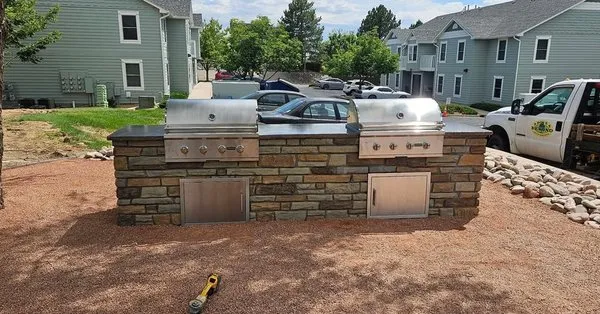
Above & Beyond Lawn & Landscaping
Above & Beyond Lawn & Landscaping is a Southern Colorado outdoor living specialist founded in 2007 by a University of Northern Colorado business management graduate. Starting as a service company, the...
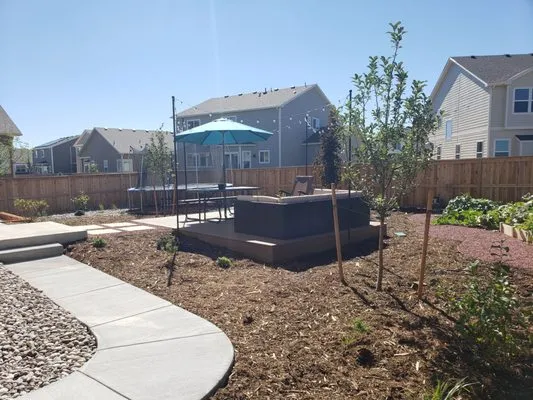
Lindgren Landscape
Lindgren Landscape has been transforming outdoor spaces in Fort Collins and across Northern Colorado since 1995. Founded by Tim Lindgren, a Colorado State University Construction Management graduate, ...
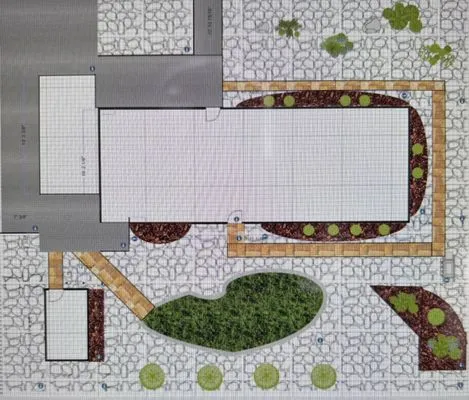
Platinum Trades is a Fort Collins-based landscaping and masonry contractor specializing in comprehensive outdoor solutions for Northern Colorado homes. We focus on practical, durable improvements that...
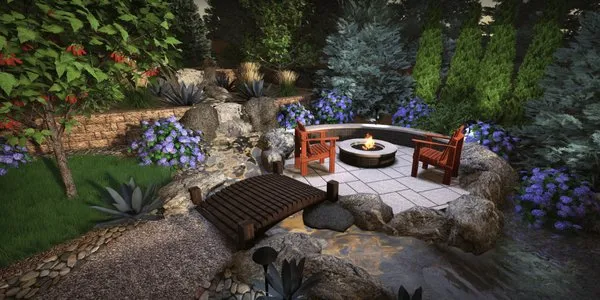
As the founder of Switchgrass Design in Longmont, I bring over a decade of hands-on experience creating sustainable landscapes across the Colorado Front Range. My approach is grounded in practical kno...
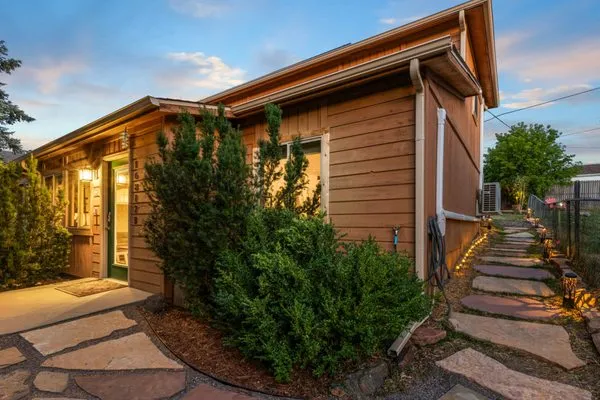
Plains to Peaks Landscaping is a full-service landscaping, masonry, and deck construction company serving Longmont, CO, and the surrounding areas. We specialize in transforming outdoor spaces with com...
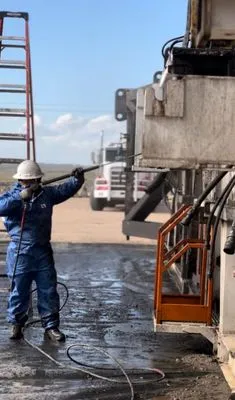
Wrangler Services
Wrangler Services is a locally owned and operated business in Gilcrest, Colorado, specializing in junk removal, landscaping, and pressure washing services. We serve Northern Colorado with reliable cle...

Native Spaces Landscaping
Native Spaces Landscaping is a Longmont-based landscaping business founded by a professional with extensive experience working with plants, from greenhouse nurseries to residential and commercial prop...
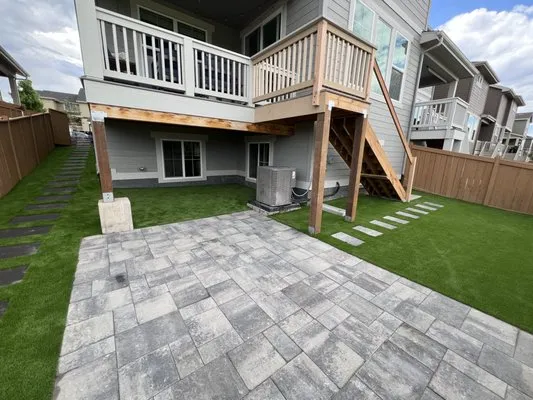
JJM Concrete, Fence, and Landscaping
JJM Concrete, Fence, and Landscaping is a Milliken-based company specializing in comprehensive outdoor improvement services. With expertise in masonry/concrete work, fence and gate installation/repair...

Jeremias Godínez, founder of Godinez GL Landscaping, has built his family business on over four years of hands-on experience in the Denver area. After honing his skills with a leading local company, h...
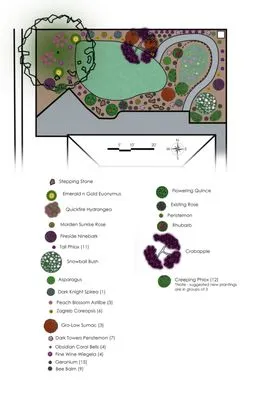
Sagewood Landcare Consultants, led by Colorado State University-educated landscape architect Elizabeth, brings deep-rooted horticultural expertise to Loveland and the Front Range. A Colorado Certified...
Estimated Landscaping Service Costs in Twin Lakes, CO
Frequently Asked Questions
What are the benefits of replacing some lawn with native plants?
Transitioning high-maintenance turf to a palette of Rocky Mountain Penstemon, Blanketflower, and Kinnikinnick reduces water, mowing, and chemical inputs. This xeriscaping approach builds biodiversity and soil resilience. It also future-proofs your property against evolving regulations, such as potential restrictions on gas-powered blowers under noise ordinances, by creating a landscape that requires less intensive, noisy maintenance.
What permits or licenses are needed for major landscaping work on a typical 0.35-acre lot?
Significant grading, drainage alterations, or retaining walls over certain heights require a permit from the Lake County Planning and Zoning office. Any application of pesticides or fertilizers for hire must be performed by a professional licensed by the Colorado Department of Agriculture. This ensures work meets erosion control and environmental safety standards, which are critical given the local soil conditions and proximity to protected waterways.
Is native moss rock a better choice than wood for patios and walls in our area?
Yes, for durability and fire safety. Native moss rock and permeable flagstone are non-combustible, mineral-based materials with a lifespan measured in decades, unlike wood which decays. In an Extreme Fire Wise rated area (WUI Zone 3), using these materials for patios, walls, and pathways creates critical defensible space, helping to slow fire spread and protect your property with minimal long-term maintenance.
If a storm causes significant tree damage, what is your emergency response time to the Twin Lakes area?
For emergency cleanup or HOA compliance issues, our standard dispatch from the Twin Lakes Reservoir Dam area proceeds via CO-82. During peak conditions, including heavy weather, travel to most Twin Lakes Village locations requires 45 to 60 minutes. We prioritize triage for safety hazards like downed limbs on structures or blocked access roads to ensure a rapid, coordinated response.
We have erosion and runoff issues on our sloped lot. What are the best solutions?
High slopes with rapid snowmelt are a primary drainage hazard here. Rocky Sandy Loam has limited water-holding capacity, exacerbating runoff. Installing permeable flagstone patios or pathways and using native moss rock for retaining walls increases ground absorption. These strategies manage runoff on-site, which aligns with Lake County Planning and Zoning standards for controlling erosion and protecting watersheds.
What invasive species should we watch for, and how do we handle them safely?
Common invasive alerts include Myrtle Spurge and Cheatgrass. Manual removal before seed set is most effective. For persistent issues, targeted herbicide application by a Colorado Department of Agriculture licensed professional is necessary. Treatments must avoid phosphorus-based products near waterways to comply with local ordinance buffers and should be timed outside of high-runoff periods to protect the Twin Lakes watershed.
Our yard's soil seems thin and rocky. Is this just how it is in Twin Lakes Village, or can it be improved?
Properties in Twin Lakes Village, developed around 1971, have soils that have matured for over 50 years. The native Rocky Sandy Loam naturally lacks deep organic matter. Decades of compaction and limited topsoil addition have likely reduced permeability and microbial activity. Core aeration and incorporating 2-3 inches of compost are essential to rebuild soil structure and support healthy turf or native plantings.
How can we keep our Kentucky Bluegrass lawn healthy during voluntary water conservation?
Under Stage 1 voluntary conservation, smart irrigation is key. Wi-Fi ET-based controllers adjust watering schedules daily based on local evapotranspiration data, preventing overwatering. These systems, paired with freeze sensors, apply water only when and where the Fine Fescue blend needs it most. This technology can reduce outdoor water use by 20-30% while maintaining turf health, keeping you well within municipal guidelines.
