Top Landscaping Services in Timnath, CO, 80524 | Compare & Call
There are 236 landscaping companies server in Timnath CO
Bluestem Landscapes is a Fort Collins-based landscape design firm specializing in creating sustainable, thriving outdoor spaces for Northern Colorado homes. We understand the common local challenges h...
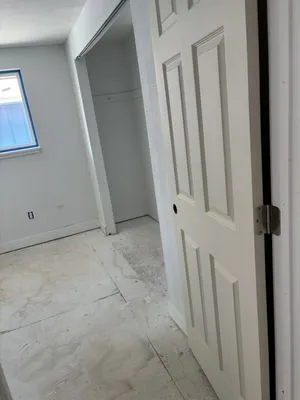
Daniel Acosta is a dedicated, family-oriented handyman and landscaper serving Fort Collins. He offers a comprehensive range of services, from handyman repairs and interior drywall work to complete lan...
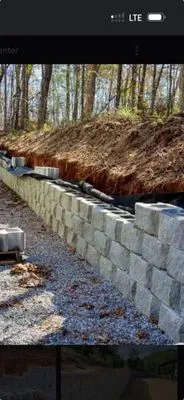
Paez Lawn Care Inc. is a family-owned, bilingual landscaping business serving Johnstown, CO, and surrounding areas since 2008. Licensed and insured, we specialize in transforming both residential and ...

B&T Landscape & Snow Solutions, based in Fort Collins, is a locally-owned landscaping company with over six years of experience serving Northern Colorado. We specialize in creating and maintaining bea...
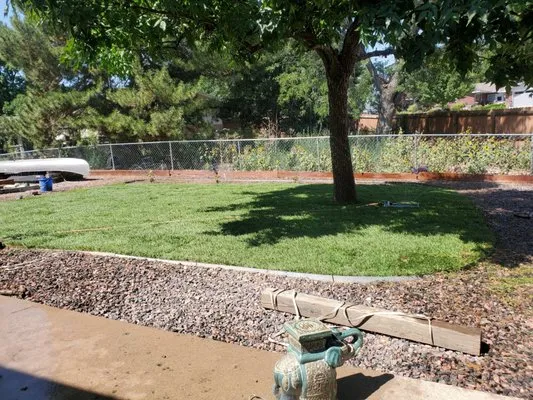
Green Hills Sod Farm is a third-generation family business in Berthoud, CO, founded in 1965 by Glenn Markham. For over 35 years, Ed Markham ran the farm, passing it to his son Shane Markham, who grew ...
Flora Landscaping is a family-owned Fort Collins business dedicated to transforming Northern Colorado yards into beautiful, functional outdoor spaces. We specialize in comprehensive landscaping servic...
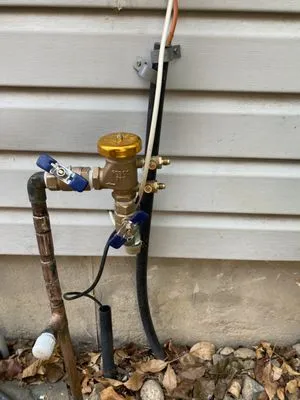
Grizzly Bear Sprinkler Repair is a family-owned business serving Loveland, CO, and Northern Colorado since 2002. We specialize in residential and commercial irrigation systems, offering sprinkler repa...
Lawn Doctor in Fort Collins, CO, is a trusted local provider of landscaping, pest control, and tree services, dedicated to keeping Northern Colorado properties healthy and beautiful. We specialize in ...
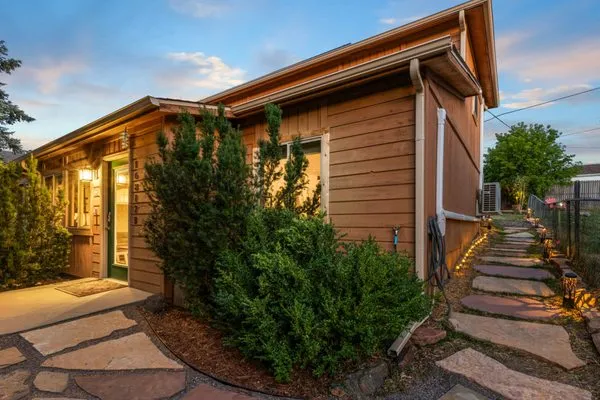
Plains to Peaks Landscaping is a full-service landscaping, masonry, and deck construction company serving Longmont, CO, and the surrounding areas. We specialize in transforming outdoor spaces with com...
FoCO Lawn is a trusted Fort Collins landscaping company dedicated to solving the specific outdoor challenges homeowners face in our Northern Colorado climate. We specialize in addressing the frequent ...
Estimated Landscaping Service Costs in Timnath, CO
FAQs
How can I keep my Kentucky Bluegrass healthy under Timnath's water conservation rules?
Stage 1 voluntary conservation is best managed with Wi-Fi ET-based irrigation controllers. These systems automatically adjust runtime using local evapotranspiration data, applying water only when the turfgrass needs it. This technology prevents overwatering, a common issue with clay soils, and can reduce total usage by 20-30% while maintaining canopy health. Properly calibrated, it keeps your lawn within municipal guidelines without sacrificing viability.
Is Colorado Buff Sandstone a better choice than wood for a patio?
Colorado Buff Sandstone offers superior longevity and fire resilience compared to wood, a critical factor for Timnath's Moderate (WUI Zone 2) fire risk rating. This natural stone requires no sealing, won't rot or warp, and provides permanent, defensible space when installed with proper clearance from structures. Its thermal mass also moderates temperature swings, creating a more comfortable microclimate than combustible decking materials.
How fast can you respond to an emergency storm cleanup to avoid HOA violations?
For urgent HOA compliance issues, our dispatch from the Timnath Reservoir area allows a 20-30 minute peak response time to Timnath Ranch via I-25. Our electric fleet operates within the local 7 AM to 9 PM noise ordinance, enabling immediate, quiet mobilization. We prioritize securing downed limbs and clearing pathways to mitigate safety hazards and prevent citation triggers from property management.
What permits and licenses are needed to regrade my 0.25-acre property?
Significant regrading on a 0.25-acre lot typically requires a land disturbance permit from the Town of Timnath Planning Department to ensure proper erosion control and drainage. The contractor must hold appropriate licensing through the Colorado Department of Agriculture for pesticide application if soil treatments are involved. This oversight protects you from liability and ensures work complies with local codes governing stormwater management and slope stability.
What are the benefits of replacing some lawn with native plants?
Transitioning turf to a palette of Blue Grama, Rocky Mountain Penstemon, and Leadplant drastically reduces water, mowing, and chemical inputs. These deep-rooted natives build soil carbon and support local pollinators, exceeding 2026 biodiversity benchmarks. This shift also future-proofs your landscape against tightening noise ordinances that restrict gas-powered blowers and mowers, moving maintenance toward quieter, electric equipment.
Why does the soil in my Timnath Ranch yard seem so dense and compacted?
Timnath Ranch lots were built on native alkaline clay loam, a soil with low permeability. New construction in 2015 involved heavy grading and compaction, which disrupted soil structure. Over an 11-year period, this compaction has matured, creating a dense layer that restricts root growth and water infiltration. Annual core aeration and the incorporation of organic compost are required to rebuild porosity and biological activity in this environment.
My yard pools water after rain. What's a lasting solution for this clay soil?
Pooling results from the low permeability of Timnath's alkaline clay loam. Effective solutions include installing subsurface French drains or creating dry creek beds with Colorado Buff Sandstone, a permeable material that meets Town runoff standards. Grading soil to direct water away from foundations is critical. Amending planting beds with compost increases absorption, turning a drainage hazard into a functional hydrologic zone.
What should I do if I find invasive weeds like Myrtle Spurge or Cheatgrass?
Early identification and manual removal are key for invasive species like Myrtle Spurge. For persistent problems, targeted spot-treatment with a non-residual herbicide may be necessary, but application must avoid the statewide phosphorus ban blackout dates for turf areas. Always dispose of invasive plant material in the landfill trash, not compost, to prevent further spread. A healthy, dense native planting is the best long-term defense.
