Top Landscaping Services in Steamboat Springs, CO, 80477 | Compare & Call
There are 27 landscaping companies server in Steamboat Springs CO

Tofer The Gofer is your trusted local handyman, landscaper, and plumbing expert serving Craig, CO, and surrounding areas like Hayden and Meeker. With a straightforward approach and a wide range of ski...

Steamboat Arborist Co. is a certified arborist business based in Clark, CO, with over 12 years of dedicated experience in tree services and landscaping across Routt County and surrounding areas. We sp...
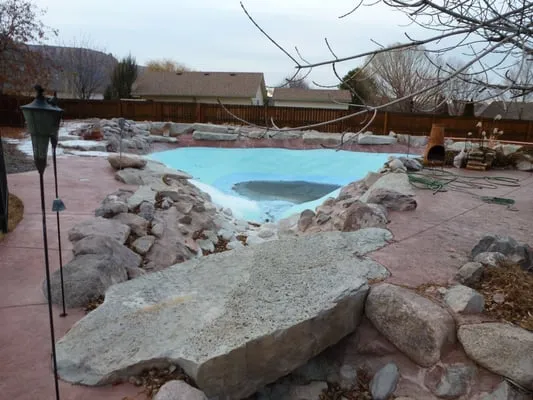
For over two decades, RSB Enterprises has been the trusted local name in Orchard, CO, for comprehensive home improvement. Our focus is on delivering a worry-free experience through custom-tailored pro...
3 Lopez Services is a trusted, family-owned business serving Steamboat Springs, Colorado, with reliable snow removal and comprehensive lawn care solutions. We understand the unique challenges local ho...
Western Tree Management is your trusted Steamboat Springs partner for keeping your landscape healthy and beautiful. We understand the specific challenges local homeowners face, like hidden sprinkler l...

Dimension Fine Homes
Dimension Fine Homes is a Steamboat Springs-based design and build firm dedicated to creating exceptional living environments. We handle everything from architectural planning and general contracting ...
JL Services is your trusted local partner in Steamboat Springs, CO, offering comprehensive home maintenance solutions including home cleaning, landscaping, and snow removal. We understand the unique c...
Estimated Landscaping Service Costs in Steamboat Springs, CO
Questions and Answers
Spring snowmelt creates persistent pooling in our yard. What solutions work with Steamboat Springs' runoff regulations?
High spring runoff saturates the slightly alkaline loam subsoil, creating temporary perched water tables. Installing permeable concrete pavers or local Colorado sandstone in problem areas allows 3-5 inches per hour infiltration rates. These materials meet Planning & Community Development runoff standards by reducing impervious surface area. French drains with clean gravel beds can redirect subsurface flow away from foundations during peak melt periods.
We've spotted invasive cheatgrass spreading. How do we treat it without violating fertilizer regulations?
Cheatgrass (Bromus tectorum) threatens native ecosystems by altering fire cycles and outcompeting desirable species. Manual removal before seed set in early June avoids phosphorus-free ordinance complications. For established patches, targeted glyphosate applications by Colorado Department of Agriculture licensed professionals during permitted windows prevent soil contamination. Solarization using clear plastic during July's peak heat effectively sterilizes seed banks without chemical inputs.
We want to regrade our 0.22-acre lot. What permits and professional requirements should we know about?
Grading work on 0.22-acre parcels requires Steamboat Springs Planning & Community Development review for erosion control and drainage impact assessments. Colorado Department of Agriculture licensing mandates that contractors performing soil disturbance exceeding 100 square feet hold Landscape Contractor registration, ensuring proper sediment barrier installation. Unlicensed grading can trigger municipal violations due to potential runoff into neighboring properties or municipal systems during spring snowmelt events.
We need emergency storm cleanup to meet HOA compliance deadlines. What's your fastest response time?
Our electric maintenance fleet can dispatch from Howelsen Hill via US-40 within 15-20 minutes during peak storm conditions, adhering to noise ordinance restrictions. This routing avoids residential bottlenecks while utilizing equipment that operates quietly outside standard 7 AM-7 PM gas-powered windows. We prioritize debris removal and safety hazard mitigation to restore property access and prevent compliance violations.
Our Old Town property has patchy grass despite regular watering. Could the soil itself be the problem?
Properties built around 1992 in Old Town have 34-year-old soil profiles that typically exhibit compaction from decades of foot traffic and equipment use. The slightly alkaline loam (pH 7.2-7.8) common here often develops poor permeability, restricting root growth and water infiltration. Core aeration combined with organic amendments like composted manure can improve soil structure and microbial activity. This addresses the underlying issue rather than masking symptoms with excessive fertilization.
How can we maintain healthy turf while following Stage 1 water conservation guidelines?
Wi-Fi ET-based weather sensing irrigation systems automatically adjust watering schedules using real-time evapotranspiration data from local weather stations. This technology reduces Kentucky Bluegrass or Fine Fescue mix water usage by 20-30% while maintaining turf health through precise moisture delivery. Flow monitoring detects leaks immediately, preventing water waste. These systems comply with voluntary conservation measures by irrigating only when plants actually need water.
We want to reduce maintenance while preparing for future equipment restrictions. What plant options make sense?
Transitioning high-maintenance turf areas to Rocky Mountain Penstemon, Blanketflower, Serviceberry, and Western Wheatgrass reduces mowing frequency by 80% and eliminates gas-powered blower use. These natives thrive in Zone 4a with minimal irrigation once established, creating pollinator habitat that exceeds 2026 biodiversity benchmarks. Electric trimmers maintain these plantings quietly during restricted hours, future-proofing your landscape against tightening noise ordinances.
We're comparing Colorado sandstone to wood for a new patio. Which better suits our wildfire risk area?
Local Colorado sandstone provides superior fire resistance with zero combustible material, creating essential defensible space for Wildland-Urban Interface Zone 1 compliance. Unlike wood decks requiring chemical treatments, sandstone maintains structural integrity during ember storms and requires no flammable sealants. Its 50+ year lifespan versus wood's 15-20 year replacement cycle reduces long-term maintenance while supporting Fire Wise rating requirements through non-combustible surface creation.
