Top Landscaping Services in Silverthorne, CO, 80497 | Compare & Call

Neils Lunceford
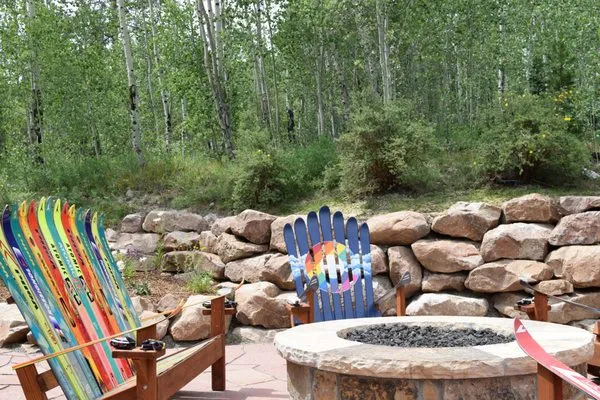
Neils Lunceford, Inc. is a full-service landscape design, construction, and maintenance company based in Silverthorne, CO, serving Summit, Eagle, Grand, Pitkin, and Routt Counties since 1980. With ove...
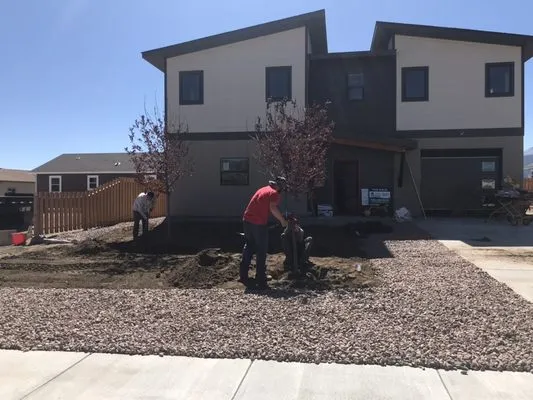
Becky's Clean and Green is your trusted Silverthorne neighbor for both landscaping and home cleaning services. We understand the unique challenges local homes face, like broken sprinkler heads and tre...
Based in Silverthorne, Rockies Property Management provides comprehensive property care for Summit County. We specialize in landscaping, snow removal, and year-round property management, helping homeo...
Q&A
We want to regrade part of our 0.25-acre yard. What permits and contractor credentials are required?
Any significant grading that alters water flow or involves retaining walls over 4 feet requires a permit from the Town of Silverthorne Community Development Department. For the work itself, you must hire a contractor licensed by the Colorado Department of Regulatory Agencies (DORA). On a 0.25-acre lot, even minor regrading can impact neighboring properties and stormwater systems, making professional engineering and licensed execution non-negotiable for liability and code compliance.
Spring snowmelt creates serious erosion on our sloped lot. What's the best long-term solution?
High snowmelt runoff on steep slopes requires managing both surface flow and subsurface permeability. Integrating local granite flagstone or permeable pavers for patios and paths allows water to infiltrate directly, reducing erosive surface runoff. Swales lined with native riparian plants should be graded to redirect and slow water velocity. The Town of Silverthorne Community Development Department encourages these methods in their drainage standards, as they mitigate erosion more effectively than traditional, impermeable concrete systems.
Our Silverthorne Town Center yard never seems to thrive. Could the age of our property be a factor?
Properties built around the 1989 average often have compacted, construction-grade subsoil with minimal organic matter, making them about 37 years old in soil maturity terms. The native slightly acidic rocky loam lacks proper aeration, severely limiting root growth and water infiltration. Core aeration in spring and fall, combined with top-dressing compost, is critical to rebuild soil structure and microbial activity. This addresses the fundamental constraint before any fertilization or seeding program can be effective.
We want a lower-maintenance, quieter yard. What are our options beyond regular mowing and blowing?
Transitioning high-input turf areas to a xeriscape of native plants like Rocky Mountain Penstemon, Kinnikinnick, and Blanketflower drastically reduces maintenance. These deep-rooted natives require no weekly mowing, minimal water after establishment, and create habitat. This shift aligns with evolving noise ordinances encouraging electric equipment, as it eliminates the need for frequent gas-powered blowers. The resulting landscape is more resilient, biodiverse, and cost-effective over time.
We have an unexpected HOA notice about overgrowth. How quickly can you help us become compliant?
For emergency compliance cleanups, our dispatch from the Silverthorne Recreation Center allows a 15-20 minute arrival via I-70, even during peak afternoon traffic. We prioritize these calls to address visible violations like tall grass or obstructive vegetation within the same business day. Our electric maintenance fleet operates within the 7 AM to 7 PM noise ordinance window, enabling immediate, quiet work upon arrival to resolve the issue promptly.
How can we keep our Kentucky Bluegrass lawn healthy under Silverthorne's water conservation rules?
Under Stage 1 voluntary conservation, smart weather ET-based irrigation controllers are essential. They adjust watering schedules daily based on local evapotranspiration data, preventing overwatering during cool or rainy periods. This technology, paired with proper cycle-and-soak programming for slopes, delivers water efficiently to the root zone of your grass blend. It maximizes turf health while keeping your property's water use well below the voluntary thresholds, preparing you for potential stricter future stages.
We've spotted what looks like invasive weeds. How do we treat them safely here?
Common invasive alerts for Summit County include Oxeye Daisy and Cheatgrass. Correct identification is crucial before any treatment. Manual removal is often best for small patches. For targeted herbicide use, you must comply with Colorado's Phosphorus Application Regulation (C.R.S. 35-10-101), which prohibits phosphorus-containing fertilizers and has specific blackout dates for other applications. A licensed professional can apply the correct product at the right time without violating ordinance, ensuring effective control and environmental safety.
Is a wood deck or a stone patio better for our high-fire-risk area?
In an Extreme Fire Wise WUI zone, non-combustible local granite flagstone is the mandated choice for defensible space. A stone patio or permeable paver system provides a critical firebreak, unlike wood which is a fuel source. Granite's durability also withstands freeze-thaw cycles and requires no sealing or replacement. When designed with proper clearance from structures and flammable vegetation, a stone hardscape meets defensible space codes while offering superior longevity and virtually no maintenance.
