Top Landscaping Services in Longmont, CO, 80501 | Compare & Call

National Property Maintenance is your trusted local partner in Longmont, CO, dedicated to keeping your property beautiful, functional, and safe year-round. We specialize in comprehensive exterior serv...
Long's Peak Landscape
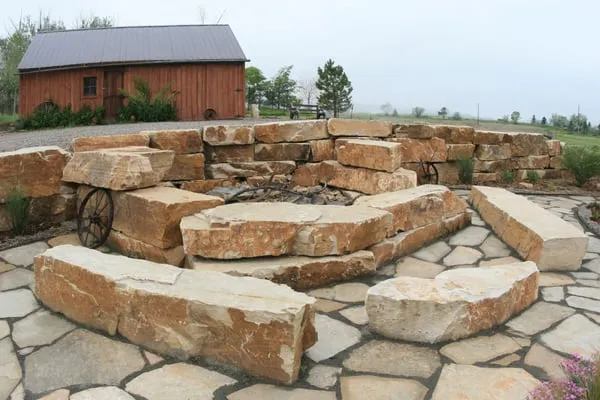
Long's Peak Landscape has been transforming outdoor spaces across Colorado's Front Range since 1994. Based in Longmont, we specialize in comprehensive landscape solutions including custom design, cons...
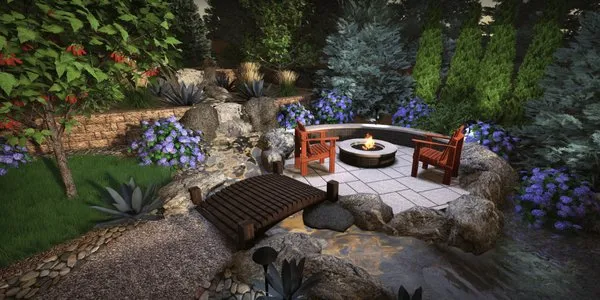
As the founder of Switchgrass Design in Longmont, I bring over a decade of hands-on experience creating sustainable landscapes across the Colorado Front Range. My approach is grounded in practical kno...
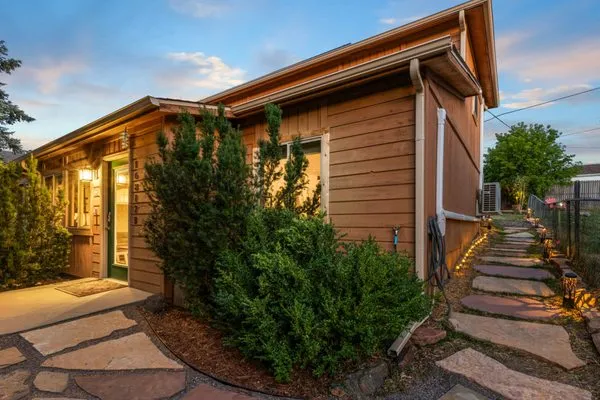
Plains to Peaks Landscaping is a full-service landscaping, masonry, and deck construction company serving Longmont, CO, and the surrounding areas. We specialize in transforming outdoor spaces with com...
Native Spaces Landscaping
Native Spaces Landscaping is a Longmont-based landscaping business founded by a professional with extensive experience working with plants, from greenhouse nurseries to residential and commercial prop...
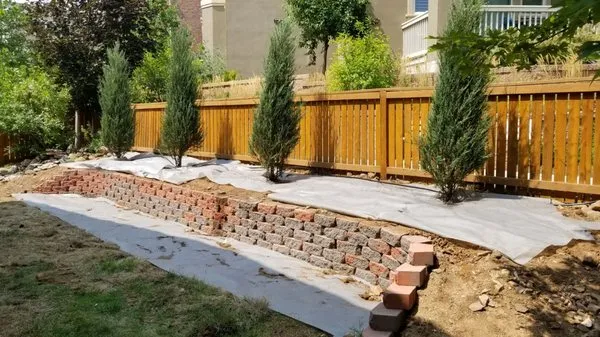
Max's is a Longmont-based landscaping and general contracting service dedicated to sustainable, low-impact practices. We specialize in creating and maintaining beautiful, functional outdoor spaces thr...
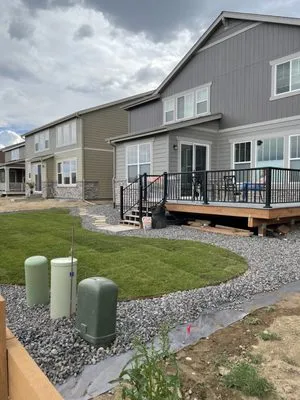
Mountain View Landscaping
Mountain View Landscaping is a family-owned business rooted in Longmont since 1998. Founded by Manuel, who immigrated from Mexico to build a better life, the company is built on a deep passion for the...
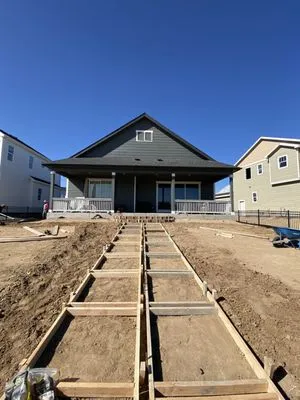
Morales Concrete & Landscape is a Longmont-based contractor providing comprehensive masonry, concrete, and landscaping services. We specialize in durable, custom-built outdoor living spaces, from conc...
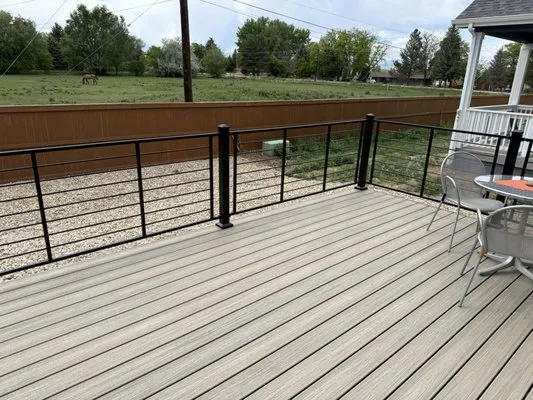
Schwabees Landscaping and Construction
Schwabees Landscaping and Construction has been serving the Longmont community since 2016, specializing in comprehensive outdoor design and installation. We handle everything from initial consultation...
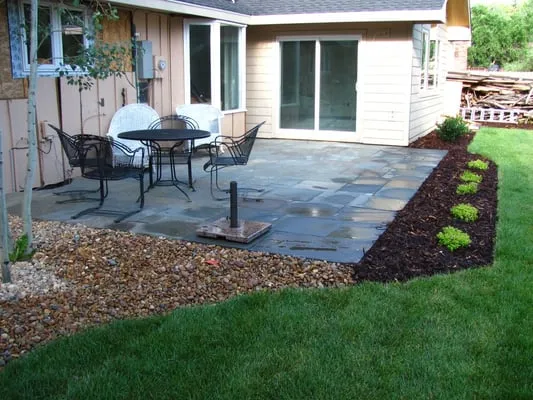
Glacier View Landscape & Design is a family-operated landscaping contractor founded in 2008 by Dave White, a Boulder County resident with over two decades of industry experience. Based in Longmont, th...
Q&A
My yard floods after heavy rain. What's a permanent solution for this clay soil?
The high clay content and low infiltration rate of Longmont's soil create chronic surface ponding. A multi-pronged approach is required: install French drains or dry wells to intercept subsurface water, and regrade surfaces to direct flow away from foundations. For hardscapes, specify permeable jointing with Colorado Buff Sandstone or use permeable pavers to meet city runoff standards. These systems work in concert to manage water on-site.
What are the benefits of replacing my lawn with native plants?
Transitioning to a landscape of Pasqueflower, Blue Grama, and Rocky Mountain Penstemon significantly reduces water, fertilizer, and maintenance inputs. This xeriscape approach creates a resilient, biodiverse habitat that supports local pollinators. It also future-proofs your property against evolving regulations, such as gas-powered blower restrictions tied to the noise ordinance. The result is a lower-carbon, ecologically sound landscape that aligns with 2026 conservation standards.
How can I keep my Kentucky Bluegrass healthy under Stage 1 water restrictions?
Smart Wi-Fi controllers with ET-based weather sensing are essential. They automatically adjust runtime based on local evapotranspiration data, applying water only when the turf needs it. This technology can reduce irrigation volume by 20-40% compared to traditional timers, keeping your lawn within voluntary conservation goals. Deep, infrequent watering cycles that match the soil's percolation rate promote deeper roots and greater drought resilience for the grass standard.
What permits and licenses are needed to regrade my 0.19-acre lot?
Any significant grading that alters drainage patterns requires review by Longmont Planning & Development Services to ensure compliance with stormwater regulations. The contractor performing the work must hold a current license from the Colorado Department of Agriculture, Landscape/Pesticide Division. This licensing guarantees training in proper soil management, erosion control, and environmental protection, which is critical for preventing off-site water and sediment issues on a property of this size.
Why does my Old Town Longmont yard have such hard, poor-draining soil?
Homes built around the 1989 average were often constructed on native clay loam subsoil, which is naturally alkaline and dense. With 37 years of development and typical lawn maintenance, the topsoil layer has likely become compacted and depleted of organic matter. This history explains the low infiltration rate common in our area. Core aeration and incorporating 2-3 inches of composted organic matter are foundational practices to rebuild soil structure and biological activity.
How fast can you respond to an emergency cleanup for HOA compliance?
For an urgent HOA compliance or storm-related cleanup in Old Town, our dispatch is based near Roosevelt Park. We route via CO-119 (Diagonal Highway) for direct arterial access, targeting a 20-30 minute arrival during peak hours. Our electric maintenance fleet is exempt from noise ordinance restrictions, allowing for early morning starts if necessary. This logistics plan ensures rapid response to mitigate violations or safety hazards.
Is Colorado Buff Sandstone a better choice than wood for a patio?
Yes, for durability and fire resilience. Colorado Buff Sandstone is a non-combustible, permanent material with exceptional longevity in our freeze-thaw cycles. Compared to wood, it requires zero sealing or replacement, reducing long-term waste. Its use directly supports creating defensible space, a key component of the community's Moderate Fire Wise rating, by providing a stable, fire-resistant zone adjacent to the home.
What are the most aggressive invasive weeds here, and how do I control them safely?
Alert for Myrtle Spurge and Russian Knapweed, which thrive in alkaline soils and displace natives. Manual removal with proper root extraction is the first defense. For persistent issues, targeted spot treatments with EPA-registered herbicides are applied by licensed professionals, strictly adhering to Colorado's phosphorus application restrictions for turf and seasonal blackout dates. This prevents chemical runoff and protects soil and water health.
