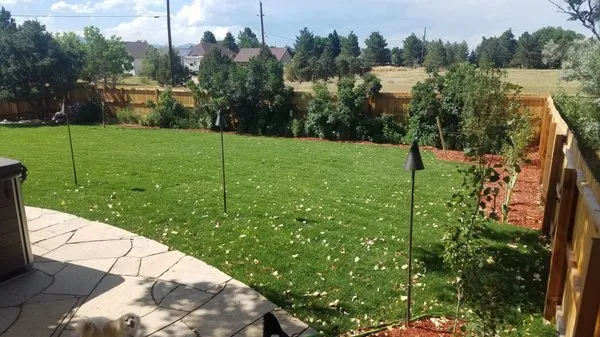
Top Landscaping Services in Highlands Ranch, CO, 80124 | Compare & Call

What Does Landscaping Service in Highlands Ranch, CO Include?
When you hear "landscaping service in Highlands Ranch, CO," you might think of just mowing lawns. But for homeowners here, it means so much more. Our local climate and soil create a unique set of needs for your yard. A full-service provider handles everything from keeping your grass green to protecting your home from storm damage. Here’s a breakdown of what comprehensive landscaping really means in our community.
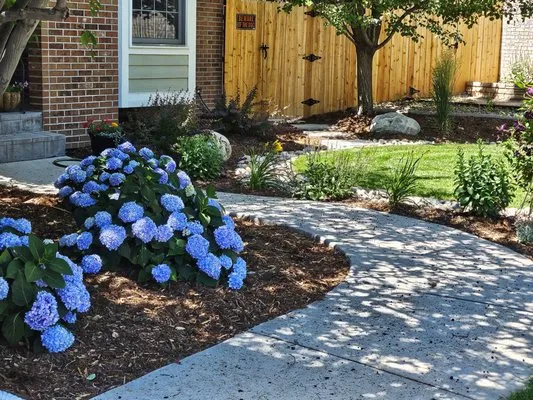
First, there’s routine care. This includes weekly or bi-weekly mowing, seasonal fertilization, and weed control to keep your lawn healthy. It also covers pruning shrubs, mulching beds, and managing leaves in the fall. Think of this as the regular check-up for your yard.
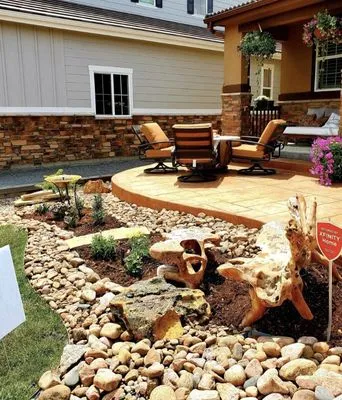
Then comes design and installation. Maybe you want to add colorful native plants that can handle our hot summers and chilly winters. Or perhaps you dream of a new flagstone patio for family barbecues. This service involves planning, sourcing plants, and building new features from the ground up.
Irrigation is a big one. With our semi-arid climate, a smart watering system is crucial. Services include installing new sprinkler systems, fixing leaks, adjusting heads for better coverage, and winterizing pipes to prevent freeze damage.
Hardscaping involves the non-living parts of your landscape. This includes building patios, walkways, retaining walls to manage our sloped lots, and even outdoor kitchens. These features add beauty and function to your outdoor space.
Tree care is vital, especially with our many mature pines and cottonwoods. Services range from routine trimming for health and safety to emergency removal after a heavy, wet spring snowstorm takes down a limb.
Finally, drainage and grading work keeps water flowing away from your foundation. This is critical in neighborhoods with clay soil, where water can pool and cause problems.
The Difference Between Routine and Emergency Landscaping
Routine services are planned. You schedule your spring cleanup or fall aeration. Emergency services are unplanned and urgent. They respond to immediate threats to your safety or property. Knowing the difference helps you react correctly when trouble hits.
When Is It a True Landscaping Emergency?
Not every yard issue needs a 24/7 call. But some situations absolutely do. Here are clear examples of what counts as an emergency landscaping issue in Highlands Ranch.
A fallen or hanging tree threatening people or structures. If a large tree or major limb has fallen on your house, garage, car, or fence, or is precariously hung up in another tree, it’s an emergency. The weight can cause further damage, and it’s unsafe to be near.
Major erosion undermining foundations or driveways. After heavy rains, soil can wash away from your home's base or under your driveway. If you see a significant gap or sinkhole forming near a critical structure, it needs immediate attention to prevent collapse.
Severe flooding or standing water that threatens utilities or your septic system. If your yard is holding a pond-sized amount of water that’s creeping toward your basement, electrical meter, or septic field, it’s urgent. This can lead to indoor flooding or system failure.
Exposed utility lines after a storm. If landscaping damage has revealed gas, water, or sewer lines, treat it as hazardous. Your first call should always be to the utility company (like Xcel Energy or Centennial Water) to secure the area. Then, a landscaper can make the site safe for repair.
Large limbs on power lines. Never, ever approach this yourself. Stay far back, call the utility company immediately, and then call a professional tree service. They have the training and equipment to work safely around energized lines.
In all cases, safety comes first. If a situation looks dangerous, it probably is. Trust your instincts and call for professional help.
Understanding Our Local Climate, Soil, and Plants
Highlands Ranch isn’t like Denver or the mountain towns. We have our own microclimate and soil conditions that directly shape your landscaping needs.
Our climate is characterized by over 300 days of sunshine, low humidity, and wide temperature swings. Summers can be hot and dry, stressing grass and plants. Winters bring snow, but also periods of warm, dry wind that can desiccate plants. The infamous "Chinook" winds can also topple trees with shallow roots. Spring often brings our heaviest, wettest snows in March and April—the kind that snaps branches.
The soil here is predominantly clay. While nutrient-rich, clay soil drains poorly. After a rain or snowmelt, water sits on the surface or runs off instead of soaking in. This leads to pooling in low spots and can starve plant roots of oxygen. It also means that when clay dries out, it becomes hard as a rock and cracks, which can damage irrigation lines.
Plant choices matter. Using non-native plants that need constant water is a recipe for high bills and disappointment. Successful yards here often use drought-tolerant, native, or adapted plants like Russian sage, blanket flower, juniper, and little bluestem grass. Kentucky bluegrass is common for lawns but requires significant water.
Housing styles vary. In older parts of town near Redstone Park, you’ll find mature landscapes with large trees that need careful management. In newer developments, yards might be smaller but often have pre-installed irrigation systems that require maintenance. Many neighborhoods have HOAs with specific rules about lawn height, tree types, and hardscape colors, so it’s always good to check before starting a project.
Common Problems We See in Highlands Ranch Yards
Living here means dealing with a specific set of yard challenges. Let’s look at a few we encounter daily.
One frequent issue is drought-stressed turf. When summer heat hits and watering restrictions or system failures occur, lawns can turn brown and go dormant quickly. Proper irrigation repair and adjustment are key.
Irrigation breaks are common. Freeze-thaw cycles in winter can crack pipes, and settling clay soil can snap sprinkler heads. A small leak can waste thousands of gallons and leave dry patches in your lawn.
Clogged drains and downspouts from pine needles and cottonwood fluff can cause water to cascade next to your foundation instead of away from it.
Here’s a local story: During a late spring storm last year, a homeowner in the Backcountry neighborhood called us. The heavy, wet snow had caused several large limber pine branches to crack and hang over their deck. They weren’t touching the house yet, but with more snow in the forecast, it was a ticking clock. We were able to safely remove the hazard before it caused damage.
Another common scene: Homes in areas with older grading, like near Highlands Ranch Golf Club, often see standing water in low spots of the yard after a heavy summer thunderstorm. If this happens repeatedly, it can drown grass and attract mosquitoes. The solution is often regrading the area or installing a simple French drain to redirect the water.
These problems tie directly to our services—whether it’s emergency tree removal, drainage correction, or irrigation repair.
Triage: Emergency vs. Routine – What Can Wait?
When something goes wrong in your yard, how do you know if you need help right now or next week? Use this simple guide.
Call Immediately (Life/Property Hazard):
- A large tree is leaning on your house, garage, or power line.
- You see exposed utility lines (gas, water) from erosion or damage.
- Severe erosion is creating a sinkhole under your driveway or foundation.
- A retaining wall has collapsed.
Schedule Same-Day or Next-Day (Major Nuisance/Safety Risk):
- A large limb is down in your yard, blocking access or looking unsightly.
- Your backyard is flooded from a broken irrigation line.
- A tree has split but isn't touching structures yet.
Wait for Regular Service (Aesthetic/Routine):
- Planning a new flower bed.
- Routine pruning of healthy shrubs.
- Installing new sod in the fall.
- Fixing a single broken sprinkler head.
For true emergencies in the town limits, many local crews aim for a 60–180 minute response window, depending on the severity of the situation and other active calls. Travel during rush hour on C-470 or University Boulevard can sometimes affect timing, but a good local service will communicate that with you.
What Does Landscaping Service Cost in Highlands Ranch?
Costs vary widely based on the job's scope, materials, and urgency. Transparency is key, so let’s break down the components. (Note: The following cost ranges are estimates based on local industry averages for the Denver metro area, including Highlands Ranch. Always get a written quote for your specific project.)
Labor: For non-emergency work, hourly rates for landscaping labor in Colorado often range from $50 to $100 per hour per worker, depending on skill level and the company's overhead.
Emergency/After-Hours Fees: Responding to a storm cleanup at night or on a weekend involves overtime pay, rapid mobilization, and sometimes special equipment. A call-out or trip fee for emergency service can range from $150 to $300 or more, on top of the labor and equipment costs for the job itself.
Materials: Sod, plants, mulch, stone, and pavers are priced separately. For example, sod itself typically costs $0.35 to $0.80 per square foot, delivered.
Equipment: Large jobs may need chippers, stump grinders, or mini-excavators. These often come with a rental fee built into the quote, sometimes $200-$500 per day.
Disposal: Hauling away green waste, old concrete, or dirt usually incurs a fee based on volume or truckloads, often $50-$150 per load.
Permits: The Town of Highlands Ranch generally does not require a permit for tree removal on private property unless the tree is within a designated natural area or greenbelt. However, significant retaining walls (often over 4 feet tall) or major grading changes may require a permit from Douglas County. Always check with your HOA first, as they often have strict rules. Permit fees, if needed, are typically paid by the homeowner and can range from $50 to several hundred dollars.
Example Project Cost Ranges (Estimated):
- Emergency Fallen Small Tree Removal: For a tree up to 30" in diameter already on the ground, including cutting, chipping, and cleanup: $200 – $800.
- Large Tree Removal Requiring Crane or Complex Rigging: For a large, hazardous tree near a structure: $1,200 – $5,000+.
- Drainage Correction (French Drain): Installing a drain to fix a chronic pooling problem: $1,000 – $4,000, depending on length and depth.
- New Sod Installation: Removing old grass, preparing soil, and installing new sod for an average 1,000 sq. ft. yard: $1,000 – $3,000 (materials + labor).
- Irrigation Repair: Service call/diagnosis: $75 – $150. Repairing a broken pipe, valve, or multiple heads: $100 – $800+.
Always ask for an itemized, written estimate before work begins.
Red Flags You Need Immediate Landscaping Help
- Large trees leaning significantly or with deep cracks in the trunk after a storm.
- Standing water pooling against your home's foundation or near your septic tank.
- Exposed or downed power/utility lines on your property. (Call Xcel Energy or your utility first at 1-800-895-1999).
- A retaining wall is bulging, cracking, or has collapsed.
- A sinkhole or severe washout appears in your yard.
- A large limb is resting on your roof, deck, or swing set.
- Tree roots are visibly heaving and cracking your sidewalk or driveway.
Safety Checklist: What to Do Until Help Arrives
If you have a landscaping emergency, follow these steps to stay safe and make the repair process smoother:
- Keep everyone away. Move people and pets far from the hazard zone—especially fallen trees, hanging limbs, or flooded areas.
- Downed power lines are deadly. Assume they are live. Stay back at least 30 feet and call Xcel Energy immediately at 1-800-895-1999.
- Document the damage. Take clear photos from a safe distance for your insurance company.
- Move vehicles. Get cars away from under trees or out of flooded driveways.
- Shut off water. If the emergency involves a burst irrigation line, find your main water shut-off valve and turn it off to prevent wasting water and worsening the flood.
- Secure loose items. In high winds, secure or bring in patio furniture, grills, and decorations that could become projectiles.
CRUCIAL WARNING: Do not attempt to remove large limbs or trees yourself. The risk of injury or causing further property damage is extremely high. Always call licensed, insured professionals. And remember: Call 811 at least three business days before you dig for any project to have underground utility lines marked for free.
Local Permits, HOAs, and Working with Utilities
Before starting any significant landscaping project in Highlands Ranch, it's wise to understand the rules.
As mentioned, the Town of Highlands Ranch typically does not require a permit for tree removal on private residential property. However, if your property borders a greenbelt, natural area, or drainage easement, different rules may apply. For major hardscaping like retaining walls over 4 feet tall, or significant changes to your property's grading, you may need a permit from Douglas County. The best course of action is to call the Town's Community Development Department or Douglas County Building Division to describe your project and ask.
Your HOA is often the real gatekeeper. Most neighborhoods in Highlands Ranch have a Homeowners' Association with architectural guidelines. They usually require you to submit plans for approval before installing fences, patios, major landscape changes, or even sometimes removing large trees. Not getting approval can result in fines or being forced to undo the work.
For utility coordination:
- Always call 811 before you dig, even for planting a tree or installing a fence post. It's free, it's the law, and it prevents dangerous and costly strikes.
- For electrical lines in the air, if tree branches are within 10 feet of a power line, only a qualified line-clearance arborist should do the work. Your landscaping company should coordinate with Xcel Energy if needed.
Choosing the Right Landscaping Contractor in Highlands Ranch
With many options, how do you pick the right team? Look for these key qualities:
- Licensed & Insured: Ask for proof of general liability and workers' compensation insurance. This protects you if something goes wrong.
- Local Experience & References: Choose a company familiar with our soil, climate, and HOA requirements. Ask for local references and photos of recent work in areas like Sterling Ranch or the Highlands.
- Transparent Pricing: A reputable company provides a detailed, written estimate that breaks down labor, materials, equipment, and disposal fees—not just a single vague number.
- Specialized Certifications: For tree work, look for an ISA (International Society of Arboriculture) Certified Arborist on staff. For irrigation, a contractor licensed by the Colorado State Board of Plumbing is a plus.
Good questions to ask: "How will you handle obtaining permits if needed?" "What is your plan for cleaning up and hauling away debris?" "What is your typical response time for an emergency call?" "Can I see a copy of your insurance certificate?"
What to Expect for Response Times in Our Area
Response times depend on the job type and weather.
For true emergencies (like a tree on a house), a local company like ours aims to have a crew assessing the situation within 60-180 minutes during call hours. We prioritize hazards to life and property.
For non-emergency urgent jobs (a flooded yard), we often schedule same-day or next-day service.
For routine projects and installations (landscape design, new patio), scheduling can vary from a few days to a few weeks out, depending on the season. Spring and fall are our busiest times.
Major weather events like the March 2021 bomb cyclone or a severe summer hail storm can create a backlog of calls across the region. In these cases, companies triage based on severity. For properties in more remote parts of Douglas County, travel time may add to the response window.
Your Guide to a Healthy, Safe Yard
Whether you're dealing with an unexpected storm cleanup or planning the backyard oasis you've always wanted, understanding landscaping service in Highlands Ranch, CO is the first step. The right team does more than just mow your lawn—they protect your investment, enhance your home's beauty, and respond when you need help most.
For routine care, preventative maintenance is key. For emergencies, knowing who to call and what to do can prevent a bad situation from getting worse.
If you see a hazard in your yard, don't wait. Call (888) 524-1778 now for fast local landscaping service and emergency cleanup in Highlands Ranch, CO. Our team is ready to help you secure your property and get your landscape back to normal.
Highlands Ranch Landscaping — Trusted landscaping service in Highlands Ranch, CO. Emergency cleanup and same-day response for urgent hazards, plus full-service design and maintenance. Call (888) 524-1778 now for immediate dispatch or to schedule a consultation.