Top Landscaping Services in Grand Junction, CO, 81501 | Compare & Call

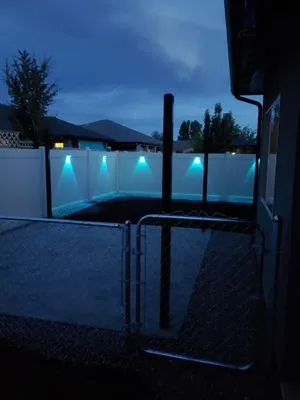
DF Landscapes is a full-service landscaping company serving Grand Junction and the Western Slope of Colorado. We are a team of hardworking professionals dedicated to providing effective communication ...
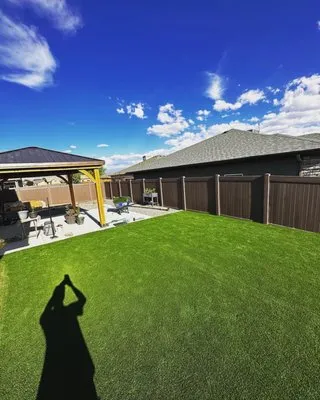
Curtis Landscape is a Grand Junction, Colorado, company founded on local pride and a commitment to satisfaction. Owner Curtis, a Grand Junction local, started the business in 2023 after realizing a co...

Eagle Landscaping is a licensed landscaping service with over 20 years of experience serving Grand Junction, CO. We specialize in comprehensive landscaping solutions for both commercial and residentia...
Bookcliff Gardens
Bookcliff Gardens is a Grand Junction, Colorado institution, locally owned and operated since 1968. Our garden center offers a vast selection of trees, shrubs, perennials, and annuals proven to thrive...
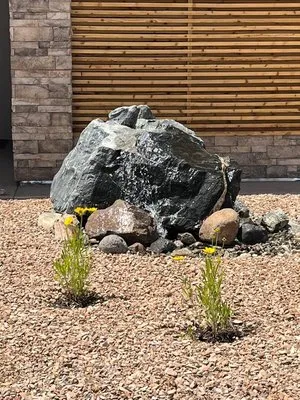
Painted Desert Landscaping
Painted Desert Landscaping has been serving Grand Junction, CO since 2003, specializing in landscape design and installation tailored to our local geography and climate. With over 50 years of collecti...
Since 1985, Wd Yards has been the trusted, locally-owned choice for landscaping in Grand Junction, CO. Built on a foundation of deep local knowledge, the team brings specialized expertise to every pro...

High Performance Lawn Care is a Grand Junction, Colorado business built on dedication and family values. Founded in April 2004 with just 26 accounts, owner [Name] started the company to build a stable...
T & S Curbing & Landscape
For over 13 years, T & S Curbing & Landscape has been a trusted, licensed landscaping partner for Grand Junction homeowners and businesses. We offer a comprehensive range of services from initial land...
Maple Leaf Landscaping & Maintenance is a family-operated business serving the Grand Valley since 2008. Founded by Colorado native Andy and named for his wife Jesse's Canadian heritage, the company be...
AJ Landscaping And Concrete is a trusted Grand Junction, CO business specializing in landscaping and masonry/concrete services. They help homeowners and businesses address common local issues like poo...
FAQs
How fast can a crew respond for an emergency tree cleanup after a storm?
For HOA compliance or emergency storm cleanup, a dispatched crew from the Lincoln Park area can typically reach Appleton neighborhoods within 20-30 minutes during peak response times. The primary route utilizes I-70 for efficient transit across the valley. Our operations adhere to the municipal noise ordinance, meaning all work, including the use of electric chippers and blowers, is scheduled within the permitted hours of 8:00 AM to 8:00 PM to avoid violations.
How can I keep my lawn green while following water conservation rules?
Under Stage 1 voluntary conservation, the key is precision watering using smart, ET-based irrigation controllers. These systems use local weather data to apply only the exact water lost to evapotranspiration, preventing overwatering. For Kentucky Bluegrass or Tall Fescue, this often means deep, infrequent watering cycles that encourage drought-tolerant roots. Properly programmed, this technology maintains turf health while keeping your property well within municipal water use expectations and ahead of potential stricter mandates.
Why does the soil in my yard seem so hard and compacted?
Homes in the Fruita-Grand Junction Corridor, built around 1985, sit on 40-year-old landscapes where the native Calcareous Silty Clay Loam has become highly compacted. This soil type has low permeability and a high pH, which restricts root growth and water infiltration. Core aeration and the addition of organic compost are essential to break up compaction, improve soil structure, and make nutrients available to plants. Without these amendments, water will simply run off, and even hardy turf will struggle to establish a deep root system.
What are the biggest weed threats and how do I handle them safely?
High-priority invasive alerts for our area include Russian knapweed and cheatgrass, which thrive in disturbed, alkaline soils. Treatment requires a targeted, integrated approach. We use selective herbicides applied by Colorado Department of Agriculture licensed applicators, strictly following statewide phosphorus runoff management guidelines to protect watersheds. Timing is critical to avoid blackout dates and to coincide with the plant's vulnerable growth stage. For long-term control, improving soil health through aeration and organic matter is fundamental to out-competing these invaders.
Is there a lower-maintenance alternative to a traditional grass lawn?
Yes, transitioning to a climate-adaptive xeriscape using native plants like Rabbitbrush, Desert Four O'Clock, and Indian Ricegrass is a superior long-term strategy. These plants are evolved for our zone 6b conditions, requiring minimal water once established and no weekly mowing. This shift reduces reliance on gas-powered equipment, keeping you ahead of tightening noise ordinances and maintenance fleet electrification. The resulting landscape supports local pollinators and provides critical habitat, aligning with 2026 biodiversity and fire-wise landscaping goals for our Moderate WUI rating.
Should I use wood or stone for a new patio and fire-wise zone?
For longevity and defensible space in our Moderate fire-risk interface, crushed red sandstone or permeable decomposed granite is strongly recommended over wood. These inorganic materials are non-combustible, require no sealing, and withstand our freeze-thaw cycles and intense sun without decay. They also contribute to the required non-flammable zone around structures. While wood may have a lower initial cost, stone provides a permanent, low-maintenance solution that enhances property value and meets Fire Wise recommendations for the Grand Junction area.
My yard pools water and leaves salty residues. What's the solution?
This is a classic symptom of the low permeability and high salinity of our Calcareous Silty Clay Loam. To manage runoff and meet City of Grand Junction standards, we recommend replacing impermeable surfaces with permeable hardscapes like crushed red sandstone or decomposed granite. These materials allow water to infiltrate, reducing surface pooling and flushing salts deeper into the soil profile. Integrating a French drain or dry creek bed can further direct water away from foundations, solving the dual hazard of poor drainage and salt accumulation.
What permits and credentials should I verify before hiring for a grading project?
Any significant grading or earthwork on a 0.22-acre lot requires proper licensing and often a permit. The contractor must hold a valid license from the Colorado Department of Agriculture for landscape and pesticide application. For projects altering drainage patterns or involving retaining walls over a certain height, a permit from the City of Grand Junction Community Development Department is mandatory. Always verify these credentials; unlicensed work can lead to code violations, improper drainage that affects neighbors, and significant liability for the homeowner.
