Top Landscaping Services in Glenwood Springs, CO, 81601 | Compare & Call

Fresh Start in Glenwood Springs, CO, is a landscaping company founded in 2020 with deep roots in the community. Led by Jen, who brings over 20 years of industry experience, the team combines professio...
All Seasons Property Services
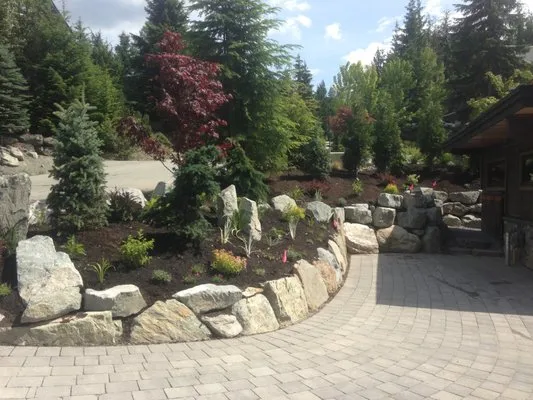
All Seasons Property Services is a Glenwood Springs-based team dedicated to year-round property care. We combine landscape construction, irrigation expertise, and outdoor lighting to create and mainta...

Win-Sum All Season's Property Maintenance
Win-Sum All Season's Property Maintenance is your local, trusted partner for year-round care in Glenwood Springs and the Roaring Fork Valley. Founded by Paul Connor and now owned and operated by his s...

Medallion Landscape is a trusted Glenwood Springs landscaping and irrigation company dedicated to solving common local yard challenges. Many area homes deal with soil compaction that chokes grass root...
All Valley Services is your trusted local partner in Glenwood Springs, Colorado, specializing in plumbing, landscaping, and painting solutions. We understand that many homes in our community face comm...

Aspen Arborist
Aspen Arborist is a trusted, ISA-Certified tree care and landscaping company serving the Roaring Fork Valley from Glenwood Springs. Our mission is rooted in protecting and enhancing our local tree pop...
Evergreen Landscaping & Design is a locally owned and operated business in Glenwood Springs, CO, dedicated to creating and maintaining beautiful, healthy outdoor spaces. We take complete pride in cust...
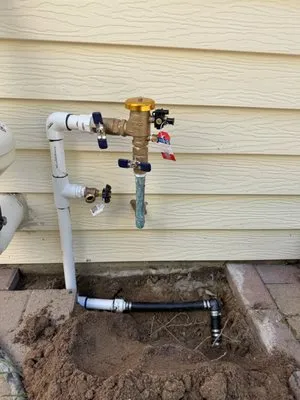
Double AA Landscaping is a trusted local landscaping company serving Glenwood Springs, CO, specializing in landscaping, irrigation, and artificial turf services. We help homeowners address common loca...
Erickson Home Services
Erickson Home Services is your trusted Glenwood Springs partner for year-round property care. We specialize in professional snow removal to keep your driveways and walkways safe during our Rocky Mount...
Four Seasons Landscape Maint provides year-round care for lawns, gardens, and hardscapes in Glenwood Springs, CO. We understand the unique challenges local homeowners face, such as soil compaction in ...
Common Questions
What permits and licenses are needed for grading work on our 0.22-acre property?
Grading projects exceeding 50 cubic yards of earth movement require a permit from Glenwood Springs Community Development Department. Colorado Department of Agriculture licensing ensures contractors understand phosphorus runoff management guidelines when amending alkaline soils. Professional landscape architects must seal designs involving slope modification over 15% grade. For Riverside properties, additional review may address I-70 visibility corridors and historic district considerations depending on project scope.
Our Glenwood Springs home was built in 1978. What does that mean for our soil health today?
With 48 years of development history, Riverside neighborhood soils have reached a mature state of compaction. Alkaline loam soils (pH 7.5-8.2) in this age range typically exhibit reduced permeability from decades of foot traffic and equipment use. Core aeration every 2-3 years is essential to break up soil pans that restrict root growth and water infiltration. Incorporating 2-3 inches of composted organic matter annually helps buffer the high pH while improving soil structure for better nutrient availability.
Should we use Colorado Buff Sandstone or wood for our new patio in this high fire risk area?
Colorado Buff Sandstone offers superior longevity and fire resistance compared to wood in WUI zones requiring defensible space. The material's non-combustible nature meets High Fire Wise rating standards while withstanding freeze-thaw cycles common in Glenwood Springs. Permeable installation techniques maintain 5-foot clearance zones around structures without creating fuel ladders. Stone's thermal mass moderates temperature extremes, reducing irrigation demand for adjacent plantings.
How do we maintain our Kentucky Bluegrass/Fine Fescue blend during Stage 1 water restrictions?
Smart ET-based weather sensing controllers automatically adjust irrigation schedules using real-time evapotranspiration data from local weather stations. These systems reduce water use by 20-30% compared to traditional timers while preserving turf health. Programming follows municipal water allocation guidelines, prioritizing deep, infrequent watering during cooler morning hours. Regular soil moisture monitoring ensures the blend receives 1-1.5 inches weekly without exceeding conservation targets.
We need emergency storm cleanup to meet HOA compliance deadlines. How quickly can your crew respond?
Our electric maintenance fleet can dispatch from the Glenwood Hot Springs Pool area within 30 minutes during peak conditions. The route follows I-70 eastbound to Riverside neighborhood exits, avoiding traditional traffic bottlenecks. We coordinate with Glenwood Springs Community Development Department for emergency access permits when necessary. All equipment operates within 9 PM to 7 AM quiet hour decibel limits while providing complete debris removal.
What invasive species threaten our landscape, and how do we treat them responsibly?
Cheatgrass and Leafy Spurge present the highest invasion risks in Riverside alkaline soils. Manual removal before seed set prevents spread without chemical intervention. For established infestations, targeted glyphosate applications follow Colorado Department of Agriculture guidelines, avoiding phosphorus-containing products during runoff-sensitive periods. Soil solarization during July heat waves provides chemical-free control while preserving mycorrhizal networks essential for native plant establishment.
We want to reduce maintenance while preparing for stricter noise ordinances. What native options exist?
Transitioning to Rocky Mountain Penstemon, Blanketflower, and Serviceberry plantings creates self-sustaining landscapes that require minimal intervention. These natives thrive in USDA Zone 5b conditions without supplemental irrigation once established. Electric maintenance equipment operates below 65 decibels, complying with current and anticipated noise restrictions. Western Wheatgrass provides erosion control on slopes while supporting local pollinator populations ahead of 2026 biodiversity benchmarks.
Our steep slope experiences rapid snowmelt runoff. What drainage solutions work with alkaline soils?
High slope erosion in alkaline loam requires graded swales lined with Colorado Buff Sandstone for permeability. This material meets Glenwood Springs Community Development Department runoff standards while complementing local geology. French drains with washed aggregate backfill improve subsurface drainage without altering soil pH. Terracing with native stone check dams slows water velocity, allowing infiltration and reducing sediment transport during spring thaw periods.
