Top Landscaping Services in Fruita, CO, 81507 | Compare & Call

Roadkill Lawncare and Landscaping
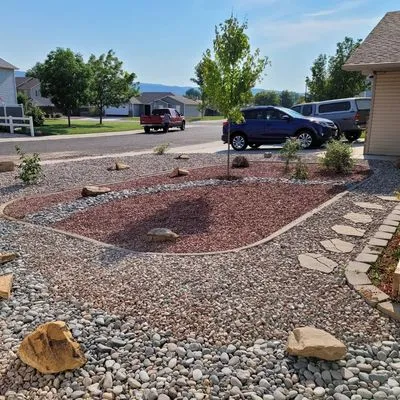
Roadkill Lawncare and Landscaping is a Fruita-based company specializing in comprehensive outdoor solutions for residential and commercial properties. Our team provides expert lawn care, landscape des...
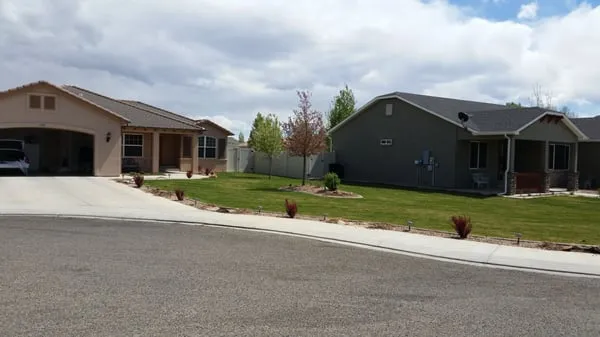
Dependable Landscaping is a local landscape contractor serving the Grand Valley, including Fruita and the wider Mesa County area. We specialize in both residential and commercial projects, offering a ...

Bluegrass Farms has been a cornerstone of Fruita and the Western Slope for over four decades, providing families with the easiest path to a beautiful, established lawn. As a family-owned and operated ...
Based in Fruita, CO, DJ's Landscaping provides comprehensive outdoor solutions, specializing in landscaping, irrigation, and fencing. We help local homeowners address common frustrations like tree roo...
Beethree Services is a Fruita-based landscaping company dedicated to solving common local yard challenges. Many homes in the area struggle with overgrown shrubs that block views and pathways, as well ...

KF Services is a dedicated lawn and sprinkler service provider based in Fruita, CO. We specialize in reliable lawn care and irrigation solutions, understanding the unique needs of the Western Colorado...
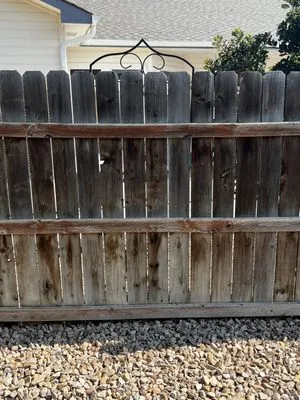
Wurth Renovations is a trusted local service provider in Fruita, Colorado, specializing in landscaping, junk removal, and pressure washing. We help homeowners and businesses tackle common regional iss...

Cutting Edge Lawn LLC is your trusted local partner for solving Fruita's common landscaping challenges. Serving the Western Slope community, we specialize in addressing the persistent issues of standi...
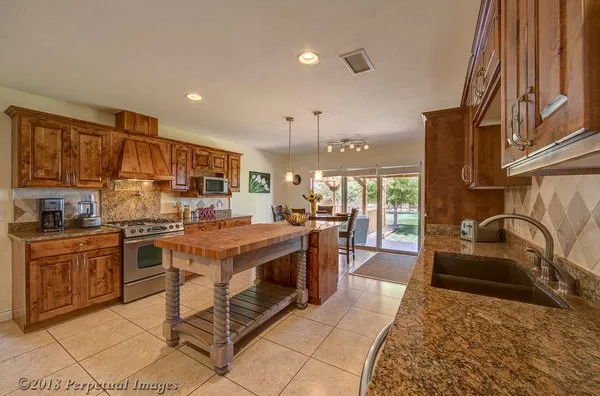
Verlene's Staging Studio in Fruita, CO, is a locally owned home staging and landscaping business founded by Verlene after she retired and turned her passion for beautifying spaces into a full-time ven...
Grand Junction Lawn Care provides essential landscaping services for homeowners in Fruita, CO, tackling the common local issues of bare lawn patches and broken sprinkler heads. Operating right here in...
FAQs
How do we keep our Tall Fescue lawn alive during summer without wasting water?
Smart, cloud-based ET (evapotranspiration) controllers are mandated for efficient irrigation in Fruita's Stage 1 conservation environment. These systems, like Rachio or Hunter Hydrawise, automatically adjust schedules based on local weather data, applying water only when the drought-tolerant Titan-type Tall Fescue actually needs it. This technology typically reduces water use by 20-30% while maintaining turf health, keeping you well within voluntary municipal limits.
We have a weed that spreads quickly with sharp burrs. How do we control it safely?
That description matches puncturevine, a common invasive alert for Fruita. Manual removal before seed set is most effective. For persistent issues, targeted post-emergent herbicides applied by a Colorado Department of Agriculture licensed professional are used, with strict adherence to statewide phosphorus restrictions near water bodies. Treatment timing avoids ordinance blackout dates and prioritizes soil health to prevent recurrence.
Is a wooden deck or a stone patio better for longevity and fire safety here?
In Fruita's moderate Fire Wise rating zone (WUI 2), non-combustible materials like crushed red sandstone or decomposed granite are superior for defensible space. Compared to wood, these inorganic materials offer exceptional longevity with zero rot, warp, or pest issues, and they withstand temperature extremes. Their permeability also manages stormwater, a factor often reviewed during permit approval for hardscape projects.
We want a lower-maintenance, eco-friendly yard. What are our options?
Transitioning to a climate-adaptive xeriscape with regional natives like Blue Grama grass, Rabbitbrush, and Apache Plume significantly reduces water, mowing, and chemical inputs. This approach future-proofs your property against tightening noise ordinances restricting gas-powered blowers and mowers. A native landscape supports local biodiversity, provides year-round visual interest, and aligns with the Fire Wise WUI Zone 2 guidelines for defensible space.
What permits and contractor credentials are needed to regrade our yard?
Regrading a 0.22-acre lot often requires a permit from the Fruita Planning & Development Department to ensure compliance with drainage and erosion control ordinances. The contractor must hold appropriate licensing through the Colorado Department of Agriculture's Landscape/Pesticide Division. This licensing guarantees training in proper soil management, which is critical for addressing the native alkaline silt loam and preventing off-site water or sedimentation issues.
Water pools in our yard for days after it rains. What's the cause and solution?
Prolonged pooling indicates poor infiltration, a hallmark of the underlying Mancos Shale clay common here. This layer creates a high salinity, impermeable barrier. Solutions involve regrading to create positive surface flow away from structures and installing French drains. For patios or paths, using permeable materials like crushed red sandstone or decomposed granite increases ground absorption and can help meet Fruita Planning Department's runoff management standards.
A storm damaged trees and scattered debris everywhere. How fast can a crew get here for an emergency cleanup?
For emergency storm response, our dispatch from the Fruita Civic Center Park area allows a 20-30 minute arrival to most Downtown locations during peak conditions. The primary route utilizes I-70 for rapid access across the city. Crews are equipped for immediate safety mitigation, debris removal, and temporary stabilization to prevent further property damage or hazards.
Our yard seems compacted and nothing grows well. Is this typical for Fruita?
Yes, this is a predictable condition for properties built around 1998, giving you 28-year-old soil. Lots in Downtown Fruita are primarily composed of alkaline silt loam over Mancos Shale, a combination that naturally compacts and restricts root growth and water infiltration. The high pH (7.9-8.4) also limits nutrient availability. Corrective action requires core aeration paired with incorporating 2-3 inches of composted organic matter to improve soil structure and biology.
