Top Landscaping Services in Fort Morgan, CO, 80701 | Compare & Call
There are 115 landscaping companies server in Fort Morgan CO
Busy B Company
As the owner of Busy B Company, my name is Brenna, and I bring over 15 years of dedicated experience in the cleaning industry right here to Fort Collins. I find genuine satisfaction in helping others,...
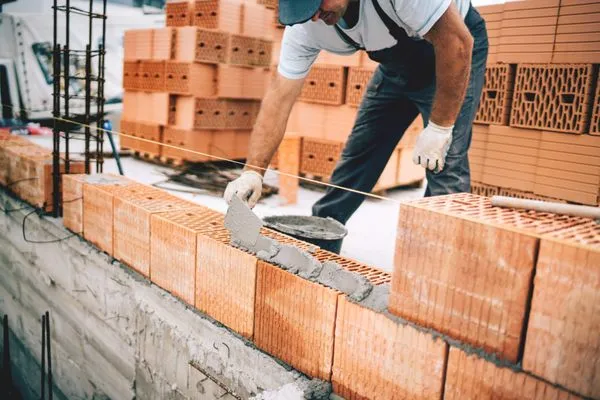
Tuston Construction, LLC is a concrete contractor based in Mead, CO, specializing in masonry, concrete, and landscaping services. Established in 2022, we provide comprehensive solutions for residentia...
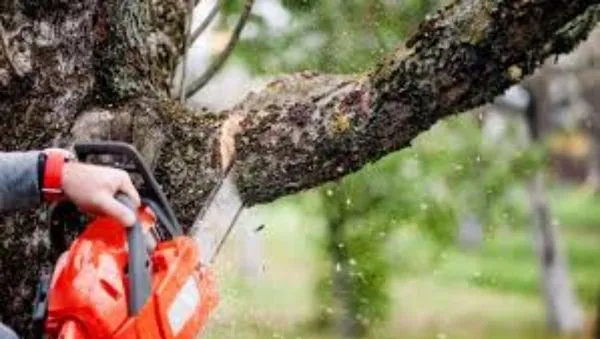
Morningwood Tree Removal and Landscaping is a trusted, locally-owned service provider in Greeley, CO, dedicated to preserving the health and beauty of your outdoor spaces. We specialize in comprehensi...
Greeley Colorado Tree Service is a trusted lawn care provider serving Garden City, CO, and the surrounding areas. Specializing in comprehensive lawn care solutions, we help homeowners tackle common lo...

Yoked Lands is a Fort Collins-based landscaping company specializing in comprehensive outdoor solutions for Northern Colorado homeowners. We address common local challenges like weed infestation and p...
Estimated Landscaping Service Costs in Fort Morgan, CO
Frequently Asked Questions
Our yard has standing water and salt buildup. What drainage solutions work with alkaline sandy loam?
High alkalinity and salt accumulation require both surface and subsurface interventions. Installing permeable Colorado Buff Sandstone pavers creates infiltration zones that meet Fort Morgan Building & Planning Department runoff standards. French drains with gravel layers should incorporate gypsum amendments to displace sodium ions from soil particles. Strategic grading directs water away from foundations while maintaining the 2% slope required for proper percolation in sandy loam soils.
We've spotted invasive species in our landscape. How do we treat them safely?
Common invasive alerts in Fort Morgan include Russian olive, cheatgrass, and field bindweed. Mechanical removal before seed set provides the most effective control without chemical inputs. For persistent infestations, targeted spot treatments using glyphosate alternatives avoid phosphorus contamination of hardscapes. Always apply during calm morning hours to prevent drift and coordinate with seasonal blackout dates specified in local fertilizer ordinances. Regular monitoring prevents re-establishment.
What permits and licensing are required for grading our 0.22-acre lot?
Grading projects exceeding 100 cubic yards of earth movement require a permit from the Fort Morgan Building & Planning Department. Contractors must hold appropriate licensing through the Colorado Department of Regulatory Agencies, specifically a landscape contractor classification for earthwork. On 0.22-acre lots, even minor grading can impact drainage patterns affecting neighboring properties, triggering review requirements. Professional licensing ensures compliance with sediment control, slope stability, and erosion prevention standards.
Can we reduce mowing frequency and maintenance noise in our yard?
Replacing high-maintenance turf with native plant communities significantly reduces operational requirements. Blue Grama, Rocky Mountain Penstemon, Prairie Coneflower, and Rabbitbrush establish deep root systems that require no irrigation after establishment. This transition eliminates weekly mowing from May through September and reduces gas-powered equipment use ahead of tightening noise ordinances. Native plantings also support local pollinator populations while providing year-round visual interest with minimal inputs.
Should we use Colorado Buff Sandstone or wood for our new patio?
Colorado Buff Sandstone offers superior longevity with minimal maintenance compared to wood alternatives. Its natural thermal mass moderates temperature extremes while providing non-combustible defensible space crucial for WUI Zone 2 compliance. Properly installed sandstone requires no sealing or treatment and develops a desirable patina over decades. For fire-wise landscaping, maintain at least 5 feet of clear space around structures using stone materials rather than organic mulches or wooden structures.
We need emergency storm cleanup to meet HOA compliance deadlines. How quickly can you respond?
Our electric maintenance fleet can dispatch from Fort Morgan City Park within 15-20 minutes during peak response times. We route via I-76 to minimize travel disruption while adhering to the 7:00 AM to 9:00 PM operational window. This electric equipment operates within noise ordinance limits while providing immediate debris removal and safety hazard mitigation. Emergency response prioritizes fallen branches, drainage obstruction clearance, and restoration of defensible space around structures.
How do we maintain Kentucky Bluegrass during Stage 1 water restrictions?
Wi-Fi ET-based weather sensing irrigation systems calculate precise evapotranspiration rates to deliver only necessary water volumes. This technology automatically adjusts for temperature, humidity, wind, and solar radiation specific to Fort Morgan's microclimate. By programming deep, infrequent watering cycles during early morning hours, you can maintain turf health while reducing consumption by 20-30%. This approach respects voluntary conservation measures while preventing the salt accumulation common in alkaline soils.
Our Riverside Park District home was built in 1967. Why does our soil seem compacted and alkaline?
With 59 years of soil maturity since construction, your alkaline sandy loam has likely developed significant compaction from decades of foot traffic and maintenance equipment. The pH range of 7.9-8.2 indicates high alkalinity common in this region, which reduces nutrient availability for most turf grasses. Core aeration every 2-3 years combined with organic amendments like composted manure can improve soil structure and microbial activity. This approach addresses the dual challenges of compaction and alkalinity that characterize older Fort Morgan residential soils.
