Top Landscaping Services in Erie, CO, 80026 | Compare & Call

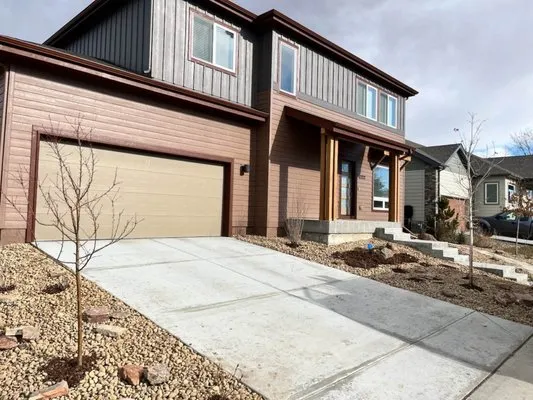
Since 1976, Don King Landscaping has been a trusted name for Erie, CO homeowners seeking personalized outdoor spaces. We specialize in creating custom gardens, durable stone walkways, and comprehensiv...
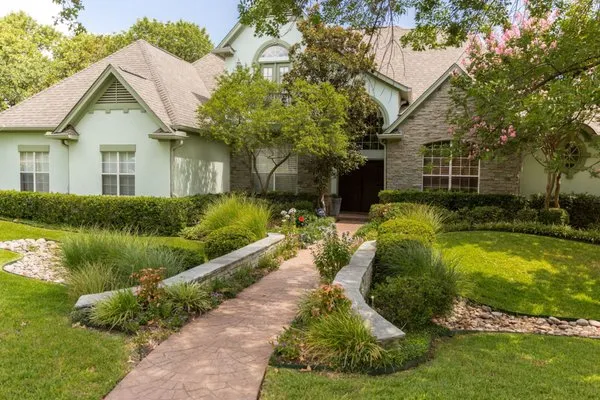
A-1 Lawn Service is a locally owned and operated lawn care business serving Erie, CO, and surrounding Boulder and Weld Counties since 2006. Founded by Jacob Hightower, who brings over 23 years of indu...
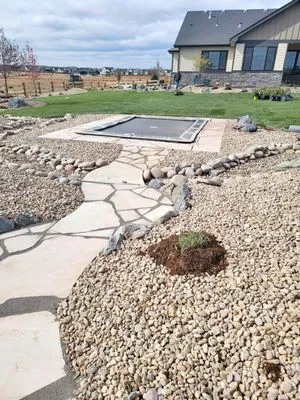
Ground Force Landscapes is a licensed, full-service landscape company serving Erie, CO for over 18 years. Owned and operated by Shay Balman, who brings extensive industry experience, we specialize in ...
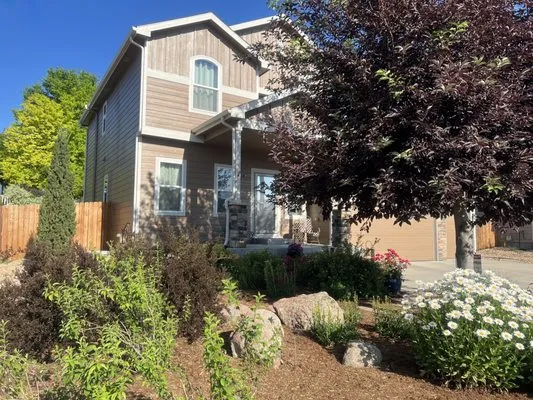
Total Turf Lawn Care is your dedicated local partner for maintaining a healthy, resilient lawn in Erie and surrounding Colorado communities. With years of hands-on experience in neighborhood lawn care...
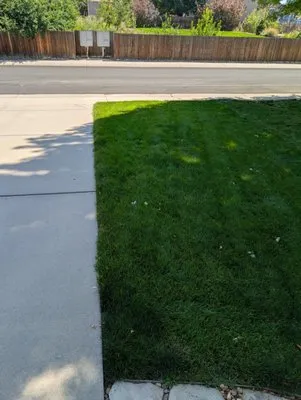
Lawn Care Plus is a locally owned and operated lawn care and landscaping service dedicated to maintaining the beauty and health of properties in Erie, Colorado, and across Northern Colorado. For over ...
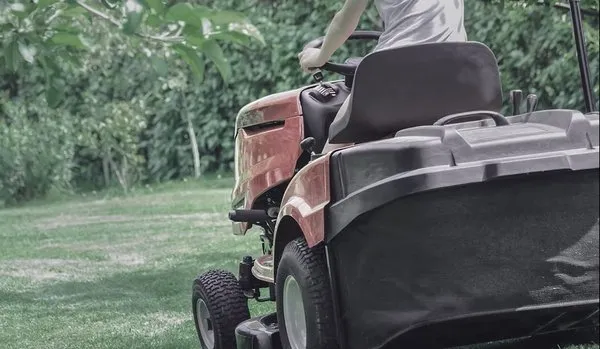
FloraVista Landscape LLC builds and maintains beautiful, functional outdoor spaces for homes and businesses across Erie, CO. Our team specializes in comprehensive landscape construction, from earthmov...

Mountainside Sprinklers is a trusted Erie, CO landscaping and irrigation company serving local homeowners. We specialize in comprehensive solutions for common local landscaping challenges like dying p...

Erie Lawn Boys is a locally-owned and operated landscaping company founded by Erie natives Jacob Farling and Mason Hill. What began in 2016 as two middle schoolers towing mowers behind their bikes has...
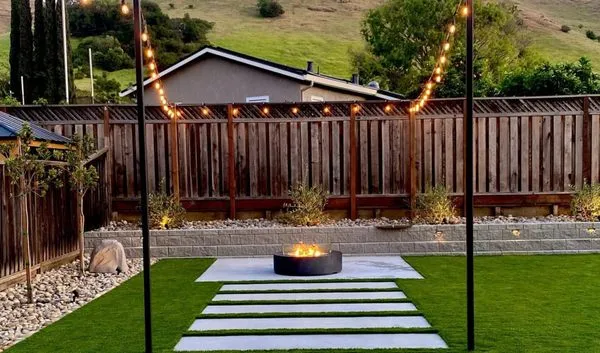
Calaway Landscape, and Sprinklers
Calaway Landscape and Sprinklers is a locally owned and operated business serving Erie, Colorado, with comprehensive outdoor solutions. We specialize in transforming residential and commercial propert...
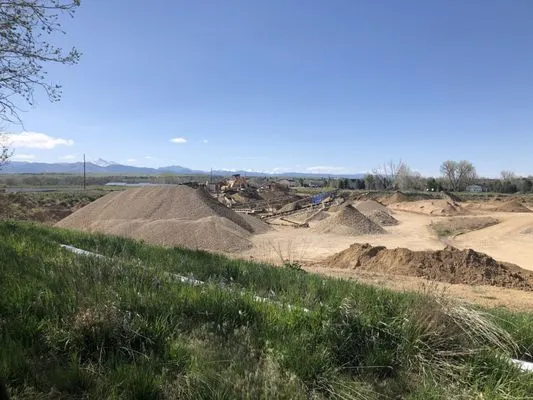
Rock Products of Colorado is a trusted, locally-owned landscaping supplier serving Erie and the surrounding Front Range communities. We provide the essential materials and expertise homeowners need to...
Frequently Asked Questions
My lawn in Old Town Erie seems to repel water and nothing grows well. Is it just me?
This is a systemic condition for Erie properties built around 2007. The soil is 19 years old and has never fully matured from the original alkaline clay loam construction fill, which compacts over time. Its low organic matter content and pH of 7.5-8.2 inhibit root penetration and microbial activity. Core aeration in spring or fall, followed by amending with compost, is essential to build soil structure and improve water infiltration for healthy turf or native plantings.
My yard floods after every rain. What's a long-term solution for Erie's clay soil?
High runoff and low infiltration are inherent to alkaline clay loam. The solution involves redirecting water and increasing ground permeability. A French drain system can capture and channel subsurface water, while replacing impervious surfaces with permeable flagstone or decomposed granite patios allows infiltration. These strategies manage stormwater on-site, often meeting the Town of Erie Planning Department's updated runoff standards for new hardscape installations.
How do I keep my Kentucky Bluegrass alive during summer without breaking water rules?
Under Stage 1 voluntary conservation, efficiency is paramount. A Wi-Fi ET-based smart irrigation controller is required. It automatically adjusts runtime by using local weather data to match the exact evapotranspiration rate, preventing overwatering. This technology, paired with a seasonal tune-up and proper head alignment, delivers precise moisture to the root zone of cool-season grass blends, maintaining turf health while conserving the municipal water supply.
We're adding a retaining wall and regrading. What permits and contractor credentials do we need?
Any significant grading or retaining wall construction on a 0.22-acre lot requires a permit from the Town of Erie Planning and Development Department to ensure proper drainage and erosion control. The contractor must hold a current license from the Colorado Department of Agriculture for landscape and pesticide application, and may need additional specialty licensing for structural work. This ensures compliance with state fertilizer ordinances, runoff rules, and building codes, protecting your property investment.
A storm just knocked a large branch onto my driveway. How fast can a crew get here for an emergency cleanup?
For urgent HOA compliance or safety issues, a crew can typically dispatch from the Erie Community Park operations hub. Using I-25 for access, arrival in Old Town Erie occurs within the 25-35 minute window critical for peak storm response. The operation would utilize electric chippers and hauling equipment compliant with the local 7:00 AM to 7:00 PM noise ordinance, ensuring rapid and quiet debris removal.
My flower beds are being taken over by bindweed. How do I stop it safely?
Field bindweed is a pervasive invasive alert in Colorado. Effective control requires a persistent, integrated approach. Manual removal must be diligent and complete, as fragments regrow. For severe cases, a targeted, systemic herbicide applied at the correct growth stage may be necessary. Any product used must have clear N-P-K labeling and comply with statewide phosphorus runoff mitigation guidelines to protect local watersheds. Always consult a licensed applicator for treatment plans.
I'm tired of weekly mowing and gas blower noise. Is there a quieter, lower-maintenance alternative?
Transitioning to a climate-adaptive xeriscape with regionally native plants directly addresses both concerns. Species like Rocky Mountain Penstemon, Blue Grama grass, and Apache Plume require minimal water, no regular mowing, and little seasonal cleanup. This reduces dependency on gas-powered equipment, aligning with the town's transition to electric mandates and noise restrictions, while significantly enhancing local biodiversity and soil ecology.
We want a new patio. Is wood or stone better for durability and fire safety here?
In Erie's Moderate Wildland-Urban Interface zone, non-combustible materials are advised for defensible space. Permeable flagstone and decomposed granite are superior to wood for longevity, requiring no sealing or replacement from rot. These inorganic materials also support the site's Fire Wise rating by not contributing fuel. Their permeability reduces runoff, and their thermal mass can moderate patio temperatures effectively in our zone 5b climate.
