Top Landscaping Services in Denver, CO, 80014 | Compare & Call
There are 237 landscaping companies server in Denver CO
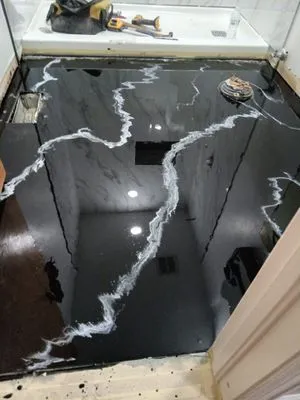
All Concrete Denver LLC is a locally owned and operated contractor serving the Denver area. After 23 years of hands-on experience in the concrete industry, I, Agustin, decided to take the step of lead...
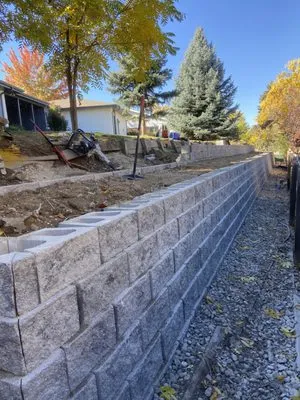
The Toys Landscaping and Concrete is a dedicated Denver company with several years of hands-on experience transforming local properties. We build lasting value for our community through expert concret...
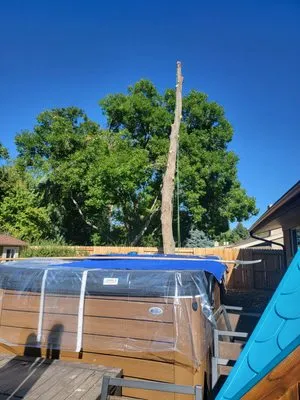
Elevent Landscaping & Tree Services is a Denver-based company founded on a passion for the work itself and a commitment to education. As professional arborists and landscapers, we believe a great outd...
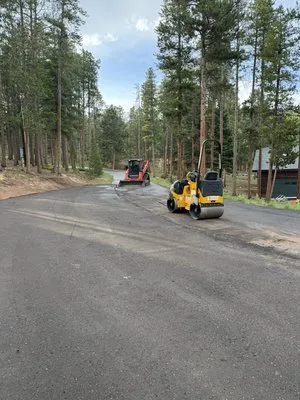
Madorin's Dirtworks is a family-owned and insured excavation and landscaping company serving Castle Rock, CO, and the surrounding areas. We specialize in a comprehensive range of earthwork and propert...
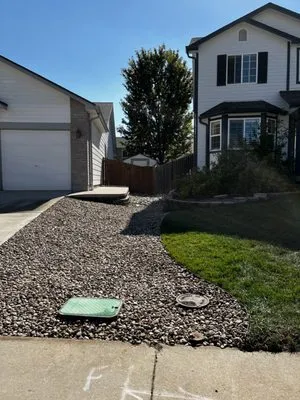
Martínez Jr Landscaping is a family-owned and operated business serving Commerce City, CO, and the surrounding areas. We specialize in comprehensive landscaping solutions, from initial design and cons...
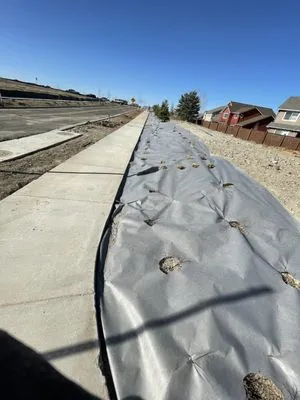
Priority Landscape & Maintenance is a Denver-based company dedicated to enhancing and protecting your property. We understand the common local challenges homeowners face, such as overgrown shrubs that...
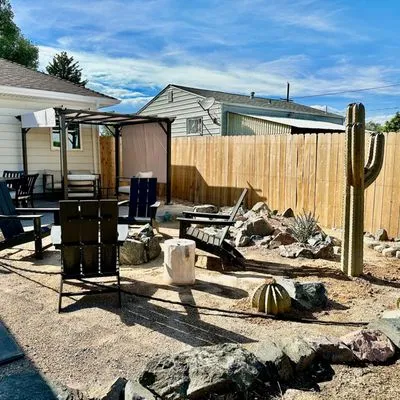
Xeris Landscaping is a full-service Denver landscaping company specializing in design, construction, and maintenance. We help homeowners transform their outdoor spaces with durable, functional, and be...
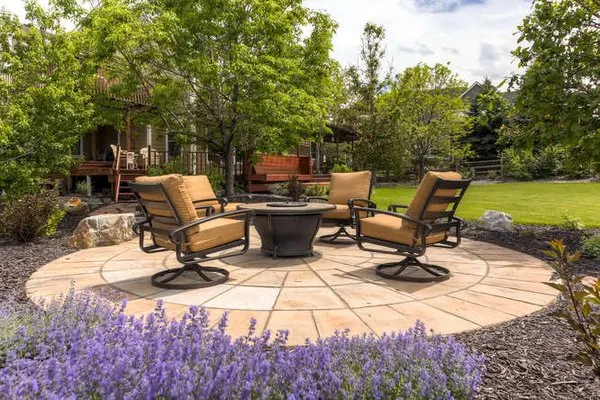
Diggable Designs Landscape & Gardening, based in Lakewood, CO, is a full-service landscape construction and maintenance company. As a creative team of professionals, we combine landscape design, horti...
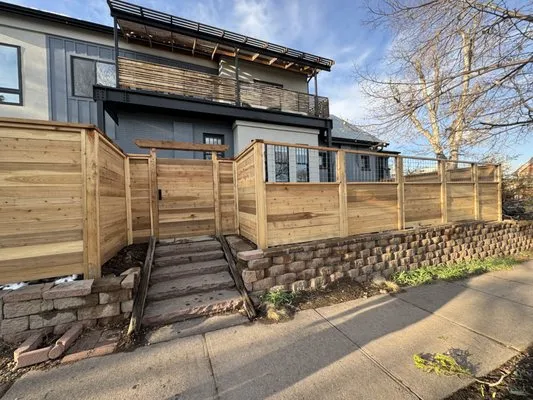
M Brothers Services is a licensed, family-run operation in Brighton, Colorado, dedicated to enhancing homes and properties through reliable craftsmanship. Specializing in landscaping, fencing, and gen...
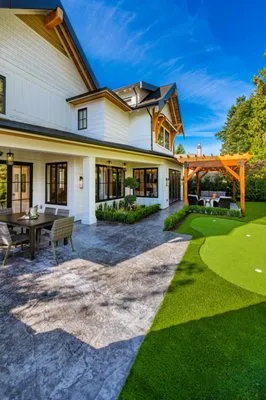
BlackPine Hardscapes is a Denver-based contractor specializing in masonry, concrete, and comprehensive landscaping services. With over two decades of experience, we focus on creating durable and funct...
Estimated Landscaping Service Costs in Denver, CO
FAQs
What's your fastest response for a post-storm emergency cleanup to meet an HOA compliance deadline?
Our emergency dispatch for Highland coordinates from Union Station, using I-25 for primary access. During peak conditions, we allocate electric maintenance vehicles which are exempt from noise ordinances, allowing for early or late work. This route typically ensures a technician arrives within 25-35 minutes. We prioritize debris removal and safety hazard mitigation to secure immediate HOA compliance before addressing finer detailing.
How can I keep my Kentucky Bluegrass healthy under Denver's water restrictions?
Effective irrigation under Stage 1 voluntary conservation mandates precision. A Wi-Fi ET-based system is essential; it automatically adjusts schedules using local evapotranspiration data from weather stations, applying water only as needed. For clay loam soils, we program multiple short cycles to prevent runoff and ensure deep infiltration. This method can reduce water use by 20-30% while maintaining turf health, keeping you well within municipal guidelines.
I'm tired of weekly mowing and gas-powered noise. What's a quieter, lower-maintenance alternative?
Transitioning to a xeriscape with regional natives like Blue Grama grass, Blanketflower, and Rocky Mountain Penstemon drastically cuts maintenance. These plants require no weekly mowing, minimal water once established, and thrive in our alkaline soil. This shift future-proofs your property against Denver's commercial gas-powered leaf blower ban, as maintenance shifts to quiet, electric shearing and occasional hand-weeding, aligning with 2026 urban ecology goals.
Is Colorado Red Sandstone a better choice than wood for a new patio?
For longevity and fire resilience, sandstone is superior. Colorado Red Sandstone pavers are inert, do not rot or warp, and have a lifespan exceeding 50 years with minimal upkeep. In Denver's Moderate Fire Wise rated urban interface, non-combustible hardscape materials like stone are critical for creating defensible space. While the initial cost is higher than wood, the lifecycle cost is lower, and it adds permanent value without the maintenance or replacement cycle of timber.
What invasive species should I watch for, and how do I treat them safely?
In Denver, watch for Myrtle Spurge and Cheatgrass, which outcompete natives and alter soil chemistry. Treatment requires careful timing to avoid violating the local fertilizer ordinance, which prohibits phosphorus application without a soil test. We use targeted mechanical removal or approved organic herbicides in early spring, followed by seeding competitive natives. This approach controls invasives without triggering nutrient runoff into the watershed.
What permits and contractor credentials are needed for regrading my yard?
Regrading a 0.14-acre lot in Denver often requires a permit from Community Planning and Development if you alter drainage patterns or modify contours significantly. The contractor must hold specific licensing through the Colorado Department of Regulatory Agencies (DORA). Hiring a DORA-licensed landscape contractor ensures they carry the required insurance and understand state-mandated practices for erosion control and soil management, protecting you from liability and substandard work.
My yard floods during heavy rain. What's a lasting solution for Denver's clay soil?
High runoff and low infiltration are inherent to Denver's alkaline clay loam. The solution integrates grading and permeable materials. We install channel drains to intercept water and direct it to basins filled with gravel. Replacing solid concrete with permeable Colorado Red Sandstone pavers allows stormwater to seep through, recharging groundwater. This system often meets Denver Community Planning and Development's runoff management standards without requiring a costly underground detention vault.
My Denver yard's soil seems hard and compacted. Why is this so common in Highland, and what can I do?
Highland lots, like most Denver neighborhoods developed around 1972, have soil that is over 50 years old. Decades of construction compaction and standard maintenance have degraded the original structure, leaving you with a dense, alkaline clay loam. This soil has low permeability, preventing water and air from reaching grass roots. Correcting this requires core aeration and the incorporation of 2-3 inches of composted organic matter to rebuild soil biology and improve percolation.
