Top Landscaping Services in Dakota Ridge, CO, 80127 | Compare & Call
There are 240 landscaping companies server in Dakota Ridge CO
T & T Mountain View is a trusted, locally-owned landscaping company serving Denver and the surrounding Front Range communities. We understand the unique challenges Denver yards face, from the dry clim...

Foothills Ground Control began as a natural extension of its founder's long career in home remodeling carpentry, rooted in the hands-on service industry. Starting with landscape maintenance in Indian ...
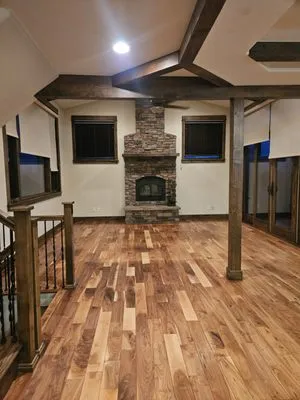
Mountain Marvel Cleaning Company LLC is a locally owned and operated business serving Conifer and the surrounding mountain communities. We provide a comprehensive range of services to maintain and imp...
The Landscaping Company Inc. is a locally-owned landscaping business serving Englewood and the Denver metro area since 2006. Founded by Clay Brooks, who brings over 20 years of hands-on experience in ...
Sabell's Snow & Lawns Service is Morrison's trusted partner for year-round property care. We specialize in lawn care and snow removal services tailored to our unique local environment. Many Morrison h...
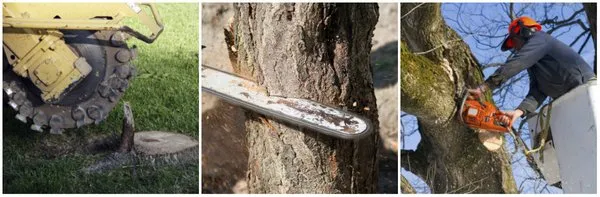
For over 27 years, Clear Water Cleaning & Landscaping has been a trusted partner for Denver homeowners, blending expert tree care with comprehensive property maintenance. Our team specializes in profe...
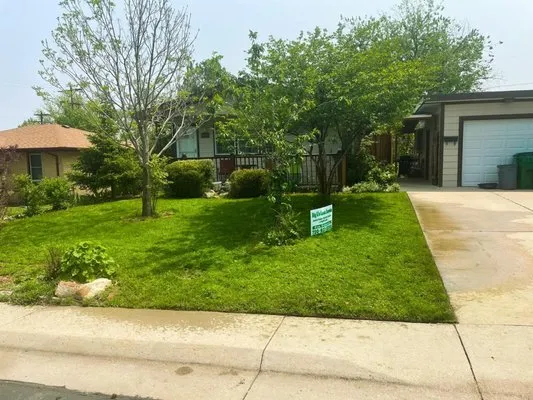
Big E's Lawn Service is a Denver-based, locally owned provider dedicated to maintaining healthy, vibrant lawns across the Mile High City. We specialize in comprehensive lawn care, including mowing, fe...
Sprinklers Evergreen & Landscape is a Denver-based outdoor services company founded in 2021 by an owner with over a decade of industry experience. While the business is still growing, the team brings ...

Four Seasons Ready Construction
Four Seasons Ready Construction is a trusted, fully licensed Denver contractor specializing in landscaping and hazardous waste disposal. We understand the unique challenges Denver properties face, par...
Crystal Clear Lawn Care is a trusted local provider of expert lawn services for homeowners in Lakewood, Colorado. We understand the unique challenges of maintaining a beautiful yard in our area, where...
Estimated Landscaping Service Costs in Dakota Ridge, CO
Question Answers
Should I use wood or stone for a new patio in this area?
Colorado Buff Sandstone offers superior longevity and lower lifecycle maintenance compared to wood, which deteriorates rapidly in our dry climate and requires chemical treatments. From a fire mitigation perspective, sandstone is a non-combustible material critical for maintaining the defensible space required in Moderate (WUI Zone 2) fire risk areas. Its thermal mass also moderates temperature swings, creating a more comfortable microclimate adjacent to your home.
Can I have a healthy lawn while following the city's water conservation rules?
Yes, effective irrigation in Stage 1 voluntary conservation hinges on precision. Modern EPA WaterSense ET-based controllers adjust watering schedules daily based on local evapotranspiration data, preventing overwatering. For Kentucky Bluegrass or Fine Fescue blends, this technology applies water only when the turfgrass actually needs it, maintaining health while reducing total municipal water use. Deep, infrequent watering cycles encouraged by these systems also promote deeper root growth, enhancing drought resilience.
How quickly can you respond to an emergency like a fallen tree or HOA violation notice?
For urgent situations requiring immediate site assessment and action, our dispatch from the Dakota Ridge Park area allows for direct access to C-470. This routing typically ensures a crew arrival within the 20-30 minute window, even during peak traffic associated with storm response. We prioritize these calls to mitigate property damage and swiftly address compliance issues with local covenants.
What permits or credentials should I verify before hiring for a major landscaping project?
Any significant grading, drainage alteration, or retaining wall construction on a 0.22-acre lot requires review by Jefferson County Planning and Zoning for compliance with erosion control and water runoff regulations. Crucially, ensure your contractor holds appropriate licensing through the Colorado Department of Regulatory Agencies (DORA). This state-level licensing verifies insurance, bonding, and knowledge of Colorado law, protecting you from liability and substandard work that fails to meet code.
What are the most aggressive weeds here, and how do I manage them safely?
In alkaline clay soils, invasive species like Myrtle Spurge and Cheatgrass are primary alerts due to their rapid spread and displacement of natives. Management requires a targeted, seasonal approach using mechanical removal or approved herbicides at specific growth stages. All treatments must strictly avoid the local fertilizer ordinance's prohibition on Phosphorus applications to hardscapes or frozen ground. A healthy, dense turf or native planting is the best long-term defense against weed establishment.
Why does my soil seem so hard and compacted compared to other areas?
Dakota Ridge Village lots, developed around 1988, have approximately 38 years of soil maturity. This age, combined with original construction grading, has solidified the native alkaline clay loam into a dense, poorly draining layer. The high clay content and typical pH of 7.5-8.2 significantly limit root penetration and water permeability. To restore soil function, an annual program of core aeration and the addition of composted organic matter is non-negotiable for improving structure and microbial life.
Water pools in my yard after every rain. What's the long-term fix?
Localized pooling is a direct symptom of the high clay content in Dakota Ridge's soil, which has very low permeability. Solutions move beyond surface grading to address subsurface flow. Installing French drains or dry creek beds with gravel reservoirs intercepts water before it pools. For new hardscapes, specifying permeable base installations with Colorado Buff Sandstone can meet Jefferson County Planning and Zoning runoff standards by allowing infiltration rather than contributing to stormwater surge.
Is there a lower-maintenance alternative to my traditional grass lawn?
Transitioning perimeter zones to a xeriscape of regionally native plants like Blue Grama, Blanketflower, Rocky Mountain Penstemon, and Apache Plume drastically reduces water, mowing, and chemical inputs. This conversion future-proofs your landscape against tightening noise ordinances that restrict gas-powered blowers and mowers. A native plant community supports local pollinators, meets 2026 biodiversity benchmarks, and creates a naturally resilient system that thrives in our Zone 5b climate with minimal intervention.
