Top Landscaping Services in Carbondale, CO, 81623 | Compare & Call
There are 42 landscaping companies server in Carbondale CO
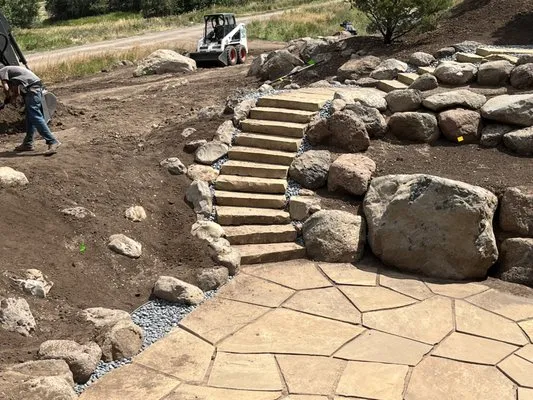
Roaring Fork Waterworks is a Carbondale-based company specializing in irrigation, landscaping, and masonry/concrete services for local homeowners. We understand the common challenges in our area, such...
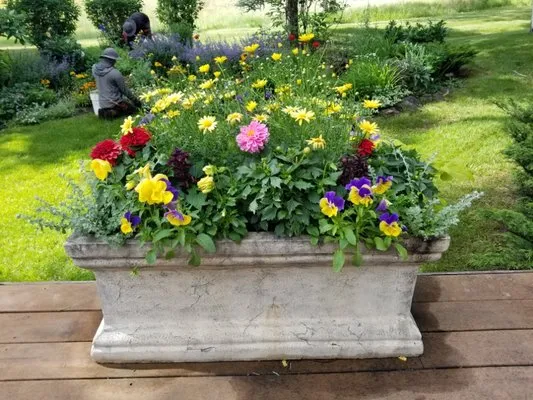
Green Planet Services
Green Planet Services LLC is a Carbondale-based professional home services company dedicated to enhancing and maintaining local properties. We offer a comprehensive range of services, including garden...
Verde Land Management is a Marble-based landscaping company built on a foundation of deep horticultural knowledge and a commitment to organic practices. Founder Brent applies over two decades of exper...
J&D Landscaping and Cleaning Services is Aspen's trusted partner for maintaining pristine commercial and residential spaces. We specialize in comprehensive office cleaning, from standard upkeep to dee...
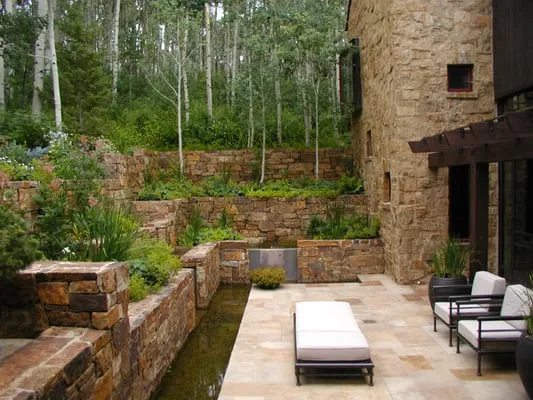
Good Earth Landscaping & Maintenance
For over 25 years, Good Earth Landscaping & Maintenance has been the trusted partner for Carbondale residents and businesses seeking to create and sustain beautiful, resilient outdoor spaces. We speci...
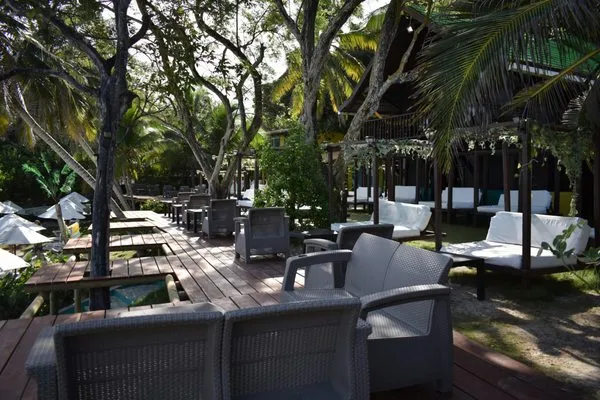
In Bloom Landscape is a trusted local landscaping partner serving El Jebel, CO. Our team combines horticultural expertise with a deep understanding of the Roaring Fork Valley's unique climate and soil...
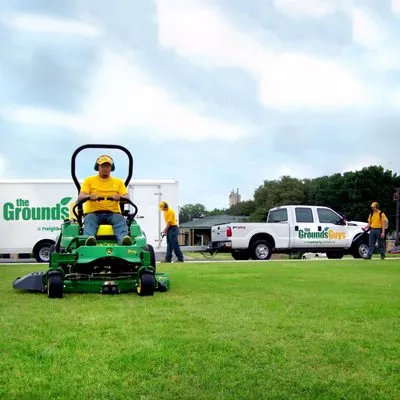
The Grounds Guys of Carbondale is a locally owned and operated lawn and landscape care provider serving residential and commercial clients in Carbondale, CO. With deep roots in the community, we speci...
Nordic Gardens Landscape is a Carbondale-based landscaping company dedicated to solving the common local issues of lawn fungus and overgrown shrubs. We provide targeted solutions to restore and mainta...
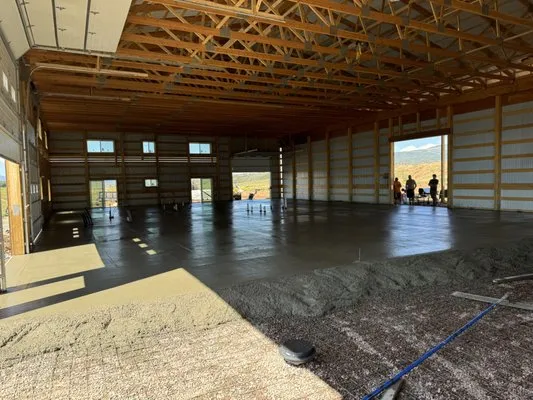
Roaring Fork Hardscapes began as a decorative concrete specialist and has grown into a comprehensive hardscaping partner for Carbondale and the Roaring Fork Valley. We embrace the challenging, creativ...

Javier Landcape is a trusted, locally-owned landscaping company serving Carbondale and the surrounding Roaring Fork Valley. We specialize in practical, effective solutions tailored to our unique mount...
Estimated Landscaping Service Costs in Carbondale, CO
Common Questions
What invasive species should I watch for, and how do I treat them safely?
Myrtle Spurge and Cheatgrass are prevalent invasive alerts in the Roaring Fork Valley. Manual removal before seed set is most effective. For chemical control, use a targeted, non-phosphorus herbicide applied in fall, carefully following label instructions to avoid statewide phosphorus ordinance blackout dates for turf. Always confirm treatment plans consider proximity to waterways to prevent unintended runoff into the watershed.
Is local river rock or a wooden deck better for a new patio?
Local river rock and permeable flagstone offer superior longevity and lower maintenance than wood, which requires annual sealing and decays. In Carbondale's Moderate Fire Wise Zone 2, non-combustible stone materials are recommended for defensible space within 30 feet of structures. The thermal mass of rock also moderates temperature swings, creating a more stable microclimate for adjacent planting beds compared to composite or timber decking.
Can I have a healthy Kentucky Bluegrass lawn under Carbondale's water conservation rules?
Yes, using Wi-Fi ET-based smart controllers is now the standard for compliance. These systems adjust watering schedules daily based on real-time evapotranspiration data, avoiding irrigation during precipitation or high wind. This technology can reduce potable water use by 20-30% while maintaining turf health, aligning perfectly with Stage 1 voluntary conservation goals by applying water only when the grass actually needs it.
My yard gets soggy from snowmelt and runoff. What's a lasting solution?
Moderate runoff on alkaline sandy loam is often due to subsurface compaction creating a perched water table. Integrating permeable flagstone patios or river rock dry creek beds facilitates infiltration, meeting Carbondale Planning Department's stormwater management standards. For severe cases, a French drain system tied to a safe outlet is recommended to manage the high-volume saturation common during our spring thaw cycles.
How quickly can you respond for an emergency storm cleanup to avoid HOA fines?
Our emergency dispatch for Old Town Carbondale coordinates from Thompson Park, using CO-133 for primary access to minimize surface street delays. With a standard peak response window of 15-20 minutes, we prioritize debris clearing from driveways and public sidewalks to meet immediate safety and compliance deadlines. All response vehicles are electric, complying with the 7:00 AM start time for noise-sensitive operations.
Why does my lawn in Old Town Carbondale have such poor soil, and what's the best way to fix it?
Properties built around the neighborhood's 1993 average have soil over 30 years old. Alkaline sandy loam, typical here, often develops compaction from initial construction and decades of foot traffic, reducing percolation and organic matter. Core aeration in spring or fall is critical to break up that pan, followed by amending with compost to lower pH and improve water retention. This process directly addresses the low nutrient-holding capacity of our native soil profile.
What permits and licenses are needed to regrade my 0.22-acre lot?
Regrading that alters drainage patterns or involves significant cut and fill requires a permit from the Carbondale Planning Department to ensure compliance with erosion control and runoff plans. The contractor must hold a current license with the Colorado Department of Regulatory Agencies (DORA). For a lot of this size, improper grading can impact neighboring properties, so certified, insured professionals are necessary to assume liability for the work.
What are the long-term benefits of switching to native plants over grass?
Transitioning to a palette of Rocky Mountain Penstemon, Blanketflower, and Western Wheatgrass eliminates weekly mowing, fueling, and blowing associated with gas equipment, future-proofing your property against tightening noise ordinances. These deep-rooted natives require no phosphorus fertilizer and minimal summer irrigation once established, directly supporting 2026 biodiversity targets and reducing your landscape's annual carbon and water footprint.
