Top Landscaping Services in Applewood, CO, 80215 | Compare & Call
There are 240 landscaping companies server in Applewood CO
KJ Landscape is a locally owned and operated landscaping, lawn care, and snow removal company serving Thornton and the North Metro Area. Founded with a passion for the outdoors and building something ...
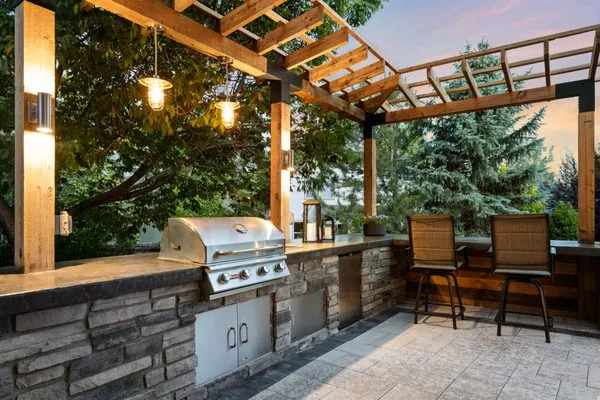
Harvester Landscapes
Harvester Landscapes is a Denver-based design and build firm led by Anthony, whose background in both environmental design and business administration informs a practical, sustainable approach. The te...
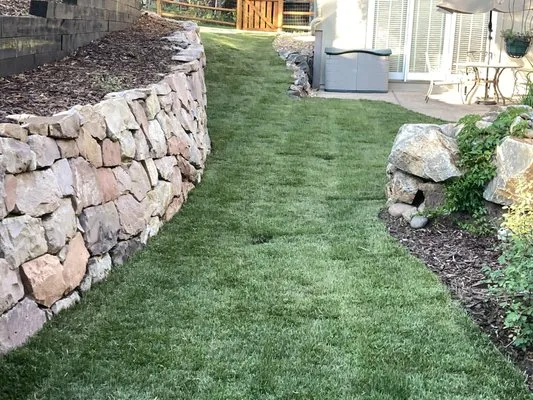
Just Sod is a Centennial-based landscaping company founded in 2015 on principles of faith, family, and community. Our passion for customer satisfaction drives us every day, ensuring we're out in the f...
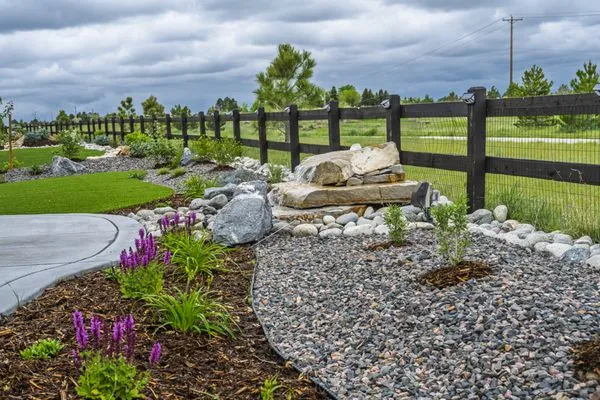
For over 30 years, Enviroscapes has been the trusted choice for Arvada homeowners seeking a complete, professional landscape transformation. We specialize in full-property construction, from initial d...
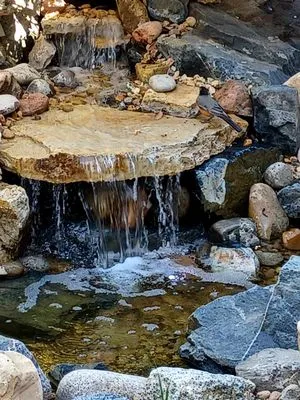
TLC Land Care is an Arvada-based landscaping company dedicated to transforming outdoor spaces through thoughtful design and reliable construction. We believe in a collaborative approach, working direc...

Aycorn Designs is a veteran-owned landscaping company proudly serving the Denver and Front Range area. With over a decade of specialized experience in the Rocky Mountains, we combine professional expe...
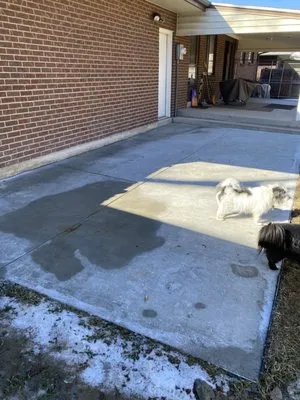
My name is Adrian, and I'm the owner of Choose Chani's Landscaping in Denver. My number one goal is simple: to ensure homeowners are happy with the results. I provide quality concrete and landscaping ...
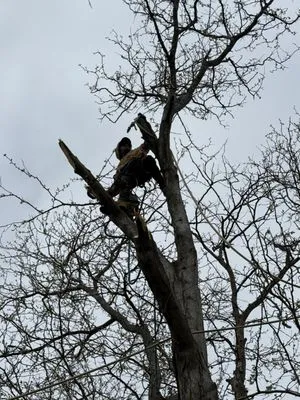
KKJ Landscaping And Tree Services is a trusted, locally-owned company serving Thornton, CO, with over five years of industry experience and four years operating independently. We specialize in compreh...
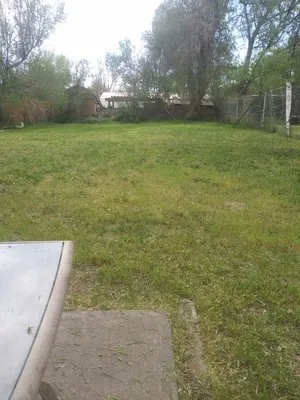
Tony's Landscaping is a Wheat Ridge-based service dedicated to enhancing outdoor spaces with reliable care. With years of hands-on experience, Tony's passion lies in transforming lawns and gardens int...
Summit Landscaping LLC is a locally owned and operated business based in Thornton, Colorado, serving homeowners throughout Westminster and the greater Denver Metro Area. With over a decade of experien...
Estimated Landscaping Service Costs in Applewood, CO
FAQs
I've spotted what looks like invasive Myrtle Spurge. How do I handle it without breaking fertilizer rules?
Myrtle Spurge is a toxic, invasive alert for our area. Manual removal with gloves is effective for small infestations; ensure all root fragments are extracted. For larger issues, a targeted, systemic herbicide applied directly to the plant is permissible. This spot-treatment method complies with statewide Phosphorus Application Restrictions, as it involves no broadcast fertilizer application and avoids prohibited blackout dates for turf products.
I want a lower-maintenance, eco-friendly yard. What should I plant?
Transitioning to a xeriscape anchored by regional natives like Rocky Mountain Penstemon, Blue Grama, and Apache Plume significantly reduces water, mowing, and chemical inputs. These plants are adapted to Zone 5b and alkaline soils. This shift also future-proofs your property against evolving noise ordinances that restrict gas-powered blowers, as native beds require less frequent cleanup than traditional turf.
Why is the soil in my Applewood Valley yard so tough to dig into, and what can I do about it?
Homes built around 1969, like many here, have soils that have matured for over 55 years. This long-term compaction, combined with the native alkaline clay loam, creates a dense, low-permeability layer that restricts root growth and water infiltration. Core aeration is essential to relieve this compaction. Incorporating 2-3 inches of compost into the topsoil annually will improve structure and gradually lower the pH, fostering a healthier soil biome.
Do I need a permit to regrade my sloped backyard, and what kind of contractor should I hire?
Yes, significant regrading on a 0.35-acre lot typically requires a permit from Jefferson County Planning and Zoning to ensure proper erosion control and drainage plans. You must hire a contractor licensed by the Colorado Department of Regulatory Agencies for landscaping. This state-level licensing is mandatory for earthwork that alters water flow, protects adjoining properties, and ensures the work meets current building and environmental codes.
A storm damaged trees in my yard and the HOA gave a 48-hour notice for cleanup. How fast can a crew respond?
For emergency compliance work, a crew typically dispatches from the Applewood Park area. Using I-70, they can reach most Applewood Valley addresses within the 20-30 minute peak storm response window. Operations align with local noise ordinance hours of 7 AM to 7 PM, utilizing electric chainsaws and chippers to meet decibel limits while executing rapid debris removal and hazard mitigation.
Is Colorado Buff Sandstone a good choice for a new patio compared to composite wood?
Colorado Buff Sandstone offers superior longevity and fire resistance compared to wood or composites, a critical factor in Applewood's Moderate Wildland-Urban Interface fire rating. Stone provides a permanent, non-combustible material for defensible space zones. Its thermal mass also moderates temperature swings. Properly installed, it requires minimal maintenance and integrates seamlessly with the local landscape aesthetic.
My yard floods and creates runoff during heavy rain. What's the best fix for my property?
High runoff is a direct result of heavy clay compaction, a common Applewood condition. Solutions must address permeability. Installing French drains or dry creek beds with gravel reservoirs intercepts subsurface water. For hardscape areas, using permeable jointing techniques with Colorado Buff Sandstone allows water to percolate into the ground, which often meets Jefferson County Planning and Zoning standards for managing on-site stormwater runoff.
How can I keep my Kentucky Bluegrass healthy during voluntary water conservation?
Stage 1 voluntary restrictions highlight the need for precision watering. A Wi-Fi ET-based irrigation system is the technical solution, automatically adjusting schedules using local evapotranspiration data from weather stations. This prevents overwatering, aligning irrigation with actual plant need. For clay soils, deep, infrequent cycles are critical to encourage roots to grow downward, improving drought tolerance within municipal water budgets.
