Top Landscaping Services in Woodacre, CA, 94973 | Compare & Call
There are 238 landscaping companies server in Woodacre CA
Horticare is a full-service landscaping company serving Ross, CA, and the surrounding Marin County area. We specialize in comprehensive landscape construction, design, and maintenance, from earthmovin...
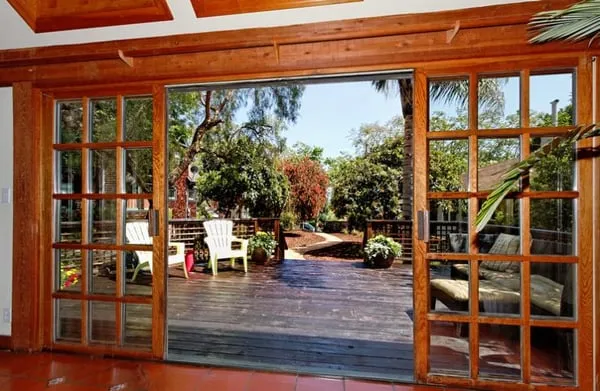
Lisa Kaiser founded Kaiser Gardens in San Anselmo, merging a graphic designer's eye for composition with a deep passion for nature. Her formal design training from institutions like UC Berkeley Extens...
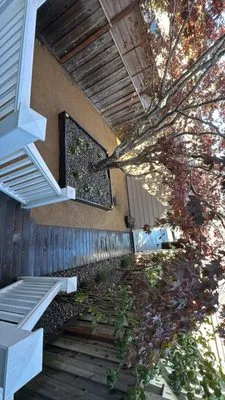
Yepez & Sons Landscape is a Fairfax-based, family-owned landscaping company dedicated to solving common local landscape challenges. In the Fairfax area, issues like sprinkler coverage gaps and poor la...
Scott Smith Landscaping is a dedicated local service provider serving Fairfax, CA. Many Fairfax homeowners contend with specific landscape challenges, such as lawn drought stress from the local climat...
Marin Lawn & Garden is a trusted lawn and garden maintenance company serving Mill Valley and Marin County for over 20 years. We specialize in regular upkeep for both private and commercial properties,...
For over 25 years, Artistic License has been a trusted name for landscaping in San Rafael. Founded by a dedicated artist and gardener in 1997, this locally owned and operated business brings a creativ...
Several Seasons is a Fairfax-based landscaping and construction company specializing in comprehensive outdoor solutions for local homeowners. With expertise in irrigation, deck building, and landscape...

Donlan Landscape Contractors is a San Rafael-based landscaping company with over 30 years of experience serving Marin County and the greater Northern San Francisco Bay Area. Founded by an owner who tr...
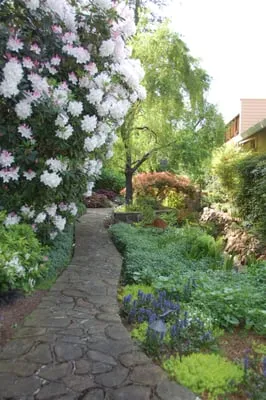
Growing Works Landscaping is a trusted, woman-owned and operated landscape contractor serving San Rafael and Marin County for nearly 30 years. Founded by Marina, who began her career as a teenager and...
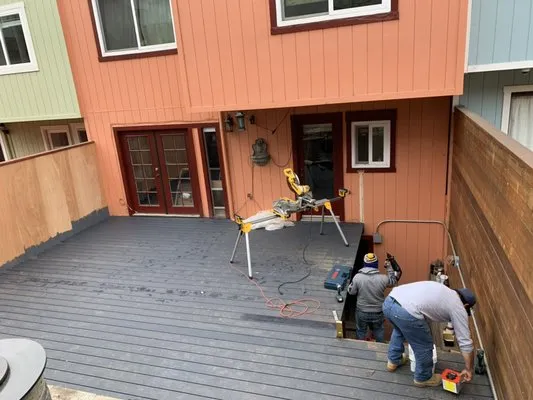
YRG Construction is a licensed and insured handyman business serving San Rafael, CA, with extensive experience across multiple home service fields. Our team of skilled professionals handles a wide ran...
Estimated Landscaping Service Costs in Woodacre, CA
Frequently Asked Questions
Should we replace high-maintenance turf with native plants?
Transitioning to California poppy, coast live oak, ceanothus, toyon, and manzanita reduces water demand 60-80% while eliminating gas-powered maintenance. These natives thrive in acidic loam without soil amendments, developing deep root systems that stabilize slopes. The conversion supports WUI Zone 1 compliance through reduced fuel loads and creates habitat corridors. Electric equipment handles minimal leaf litter without violating noise ordinances.
What permits and licenses are needed for grading our half-acre lot?
Grading on 0.50 acres requires a Marin County Community Development Agency permit for any cut/fill exceeding 50 cubic yards. Contractors must hold California Contractors State License Board classification C-27 for landscaping, with additional bonding for erosion control measures. The permit process evaluates slope stability plans and drainage designs, particularly important given Woodacre's high erosion potential. Unlicensed grading risks fines up to $5,000 per violation under state business codes.
What invasive species threaten our garden, and how do we treat them safely?
French broom, Himalayan blackberry, and yellow star-thistle pose significant risks in Woodacre Valley. Manual removal during dormancy prevents seed spread, while targeted glyphosate applications follow Marin County Stormwater Pollution Prevention Program guidelines. Avoid treatments before forecasted rain to prevent phosphorus runoff. For perennial invasions, solarization with clear plastic during summer months achieves soil temperatures lethal to root systems without chemical use.
Our Woodacre Valley home was built in 1961. Why does our soil feel compacted and acidic?
With 65 years of soil maturity since construction, acidic loam in Woodacre Valley has likely developed compaction from foot traffic and organic matter depletion. The pH range of 5.5-6.5 indicates aluminum toxicity risk for some plants. Core aeration every 2-3 years with compost amendments at 0.25 inches depth improves soil structure and microbial activity. This addresses the natural acidity of Marin County's underlying geology while enhancing water infiltration.
Is decomposed granite better than wood for patios in fire-prone areas?
Permeable decomposed granite provides superior fire resistance compared to wood, with zero combustible material in WUI Zone 1 defensible space requirements. Its mineral composition withstands ember exposure without degradation, while proper compaction creates a stable surface needing minimal maintenance. Unlike wood, it doesn't require chemical treatments that could violate fertilizer ordinances. The material's natural drainage characteristics also reduce runoff during winter saturation periods.
Our sloped property has erosion issues. What drainage solutions work with acidic loam?
Acidic loam's reduced aggregation increases erosion potential on Woodacre's slopes. Install permeable decomposed granite pathways with 4-inch aggregate bases to achieve 8-12 inches per hour infiltration rates. These meet Marin County Community Development Agency runoff standards while stabilizing soil. French drains wrapped in non-woven geotextile prevent clogging, and terracing with native root structures creates natural retention basins during heavy rainfall events.
We need emergency storm cleanup to meet HOA compliance. How quickly can a crew arrive?
Emergency dispatch from the Woodacre Improvement Club via Sir Francis Drake Boulevard requires 45-60 minutes during peak storm conditions. Crews prioritize routes with documented erosion hazards, bringing electric equipment compliant with residential gas-blower bans. Response timing accounts for saturated slope instability along valley roads, with initial assessment focusing on drainage channel clearance and temporary erosion control measures.
How do we maintain Tall Fescue during Stage 2 water restrictions?
Wi-Fi ET-based weather sensing controllers adjust irrigation to actual evapotranspiration rates, typically reducing water use 20-30% while preserving turf health. Programming deep, infrequent watering cycles between 4-8 AM minimizes evaporation loss. For Woodacre's voluntary reduction stage, target 0.75 inches weekly during peak growth, supplementing with organic topdressing to improve soil water retention. This approach maintains acceptable turf quality within municipal limits.
