Top Landscaping Services in Winters, CA, 95694 | Compare & Call

Greg's Rototilling & Landscaping
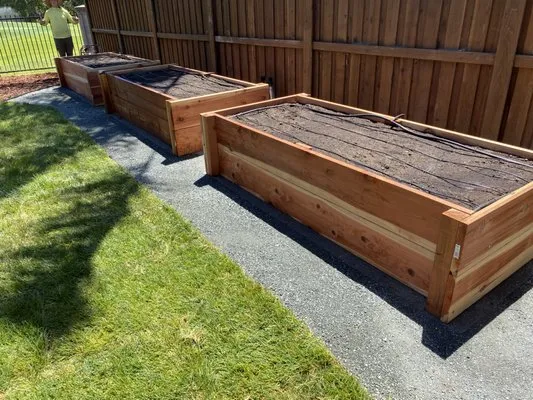
Greg's Rototilling & Landscaping is a family-run business deeply rooted in the local community. Greg, a Dixon-Vacaville native, started the company in 1986 at age 17, initially operating part-time whi...
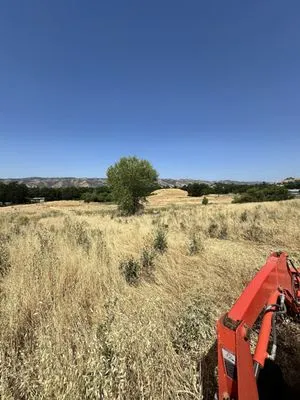
Bonos Tractor Services, operated by Jake Bonovich, is a Winters-based landscaping company built on family tradition and reliable machinery. As a sister company to Greg's Rototilling and Landscaping, w...
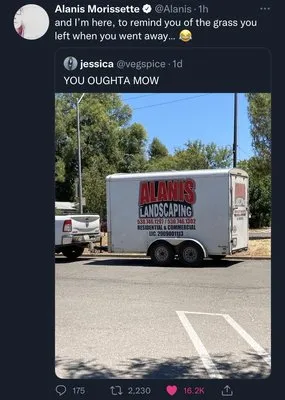
Alanis Landscaping is a trusted lawn care provider serving Winters, CA, and the surrounding areas. We specialize in comprehensive lawn services designed to address common local landscaping challenges,...
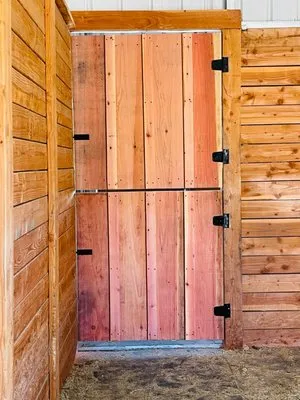
JG Landscaping & Pressure Washing is a trusted, full-service provider in Winters, CA, specializing in landscaping, fences, gates, and patio coverings. We help homeowners address common local issues li...

NC Foliage & Landscaping
NC Foliage & Landscaping has been a trusted landscape contractor serving Winters and the surrounding communities of Davis, Woodland, Sacramento, and Vacaville since 1987. Our approach centers on custo...
Suisun Valley Landscape provides expert landscaping services to the Winters, CA community, specializing in solutions for the unique local climate. We understand the common challenges homeowners face, ...
Questions and Answers
What invasive species should we watch for, and how do we treat them safely?
Yellow starthistle and Himalayan blackberry pose significant threats in Winters' clay soils. Manual removal before seed set prevents spread without chemical intervention. For persistent infestations, targeted spot treatments using organic herbicides avoid synthetic nitrogen discharge prohibited by statewide NPK runoff regulations. Treatment timing avoids blackout dates when storm drain contamination risks are highest. Regular monitoring during peak growing seasons prevents establishment in vulnerable riparian areas.
What permits and licenses are required for grading work on our 0.15-acre lot?
The City of Winters Development Department requires grading permits for any excavation exceeding 50 cubic yards on 0.15-acre properties. California Contractors State License Board licensing is mandatory for contractors performing this work, with specific classifications for earthmoving and landscape improvements. Unlicensed grading risks significant fines and may void property insurance during storm events. Professional licensing ensures compliance with statewide NPK runoff regulations and proper erosion control during construction.
How do we maintain Tall Fescue turf during Stage 1 water restrictions without wasting water?
Wi-Fi ET-based weather sensing controllers adjust irrigation schedules daily based on actual evapotranspiration rates and soil moisture sensors. These systems reduce water use by 20-30% compared to traditional timers while preserving Tall Fescue health. Programming follows municipal water limits by prioritizing deep, infrequent watering during early morning hours. The technology accounts for Brent Clay Loam's water retention characteristics, preventing runoff while maintaining adequate soil moisture for turfgrass survival.
Our Downtown Winters home was built in 1983. Why does the soil feel so compacted, and what should we do about it?
With 43 years of soil maturity since construction, Brent Clay Loam in this neighborhood has likely developed significant compaction from decades of foot traffic and irrigation. This soil type has a pH of 7.2-7.6, which can reduce nutrient availability and water infiltration. Core aeration every 2-3 years combined with organic amendments like composted wood chips will improve soil structure and microbial activity. The compaction reduces oxygen availability to turfgrass roots, making Tall Fescue more susceptible to drought stress during our hot summers.
We need emergency storm cleanup before an HOA inspection tomorrow. How quickly can you respond to Downtown Winters?
Our electric maintenance fleet can dispatch from the Winters Public Library area within 20-30 minutes during peak response times. The route follows I-505 for efficient access to Downtown Winters neighborhoods. We coordinate with the City of Winters Development Department for emergency permits when needed. Our equipment operates within the 8:00 AM to 6:00 PM noise ordinance window while providing rapid debris removal and safety hazard mitigation.
What native plants could replace high-maintenance turf to reduce our environmental impact?
Transitioning to Valley Oak, Western Redbud, California Poppy, Deergrass, and Coyote Bush reduces water needs by 75% compared to Tall Fescue. These natives require minimal maintenance, eliminating weekly mowing and frequent fertilization. The shift supports 2026 biodiversity standards while creating habitat for pollinators. This approach also reduces reliance on gas-powered equipment ahead of tightening noise ordinance restrictions on blowers and mowers.
Should we use permeable pavers or wood for our new patio, considering fire safety concerns?
Permeable concrete pavers outperform wood in longevity and fire resistance, with a 30+ year lifespan versus wood's 10-15 years. In Moderate Fire Wise rated WUI Buffer Zones, pavers create defensible space without combustible materials. Decomposed granite provides additional firebreak functionality while maintaining permeability for stormwater management. These materials withstand seasonal temperature fluctuations better than wood, which can warp in Winters' climate extremes.
We experience seasonal ponding in our backyard's low-lying areas. What drainage solutions work with Winters' clay soil?
Brent Clay Loam's moderate permeability contributes to runoff issues in riparian zones. Permeable concrete pavers and decomposed granite hardscapes increase infiltration rates by 50-70% compared to traditional surfaces. These materials meet City of Winters Development Department runoff standards while directing water away from structures. For severe ponding, French drains with clean gravel and landscape fabric provide subsurface drainage without disturbing established root systems.
