Top Landscaping Services in West Menlo Park, CA, 94025 | Compare & Call

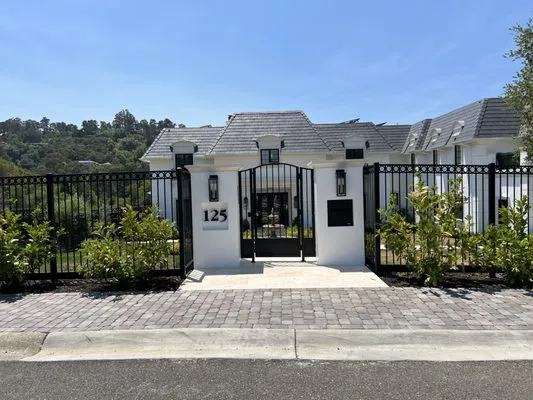
Bloom and Lawn Landscape is a West Menlo Park-based landscaping company founded by Joel, who brings a lifetime of hands-on experience to every project. Growing up in the family trade since 2010, Joel ...
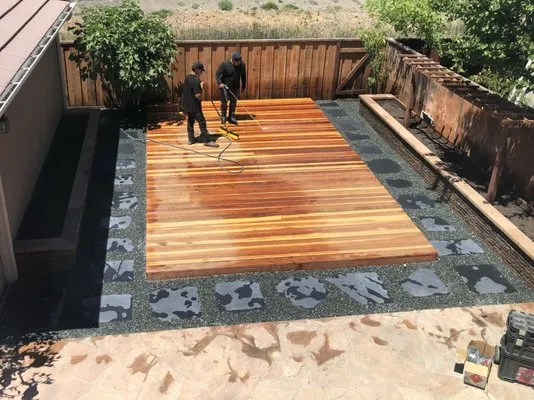
Riverz Pro Green Landscaping is a West Menlo Park-based company specializing in comprehensive landscaping, painting, and stucco services. We help local homeowners address common landscaping challenges...
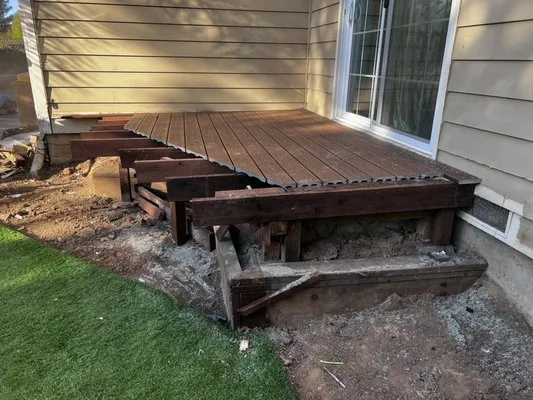
Erick Aguilar Landscaping Services is a trusted, full-service contractor based in West Menlo Park, specializing in transforming and maintaining outdoor living spaces. We address common local issues li...
Gio's Junk Removal and Demolition is a West Menlo Park-based company specializing in demolition services and landscaping solutions. We handle everything from interior and exterior surface demolition t...

Chavez Landscaping is a trusted, family-owned business serving West Menlo Park for over 20 years. We build lasting relationships by prioritizing customer satisfaction through reliable, expert service....
Frequently Asked Questions
Should I replace high-maintenance turf with native plants to reduce long-term costs?
Transitioning 30-50% of turf areas to California poppy, ceanothus, toyon, and Salvia apiana reduces water consumption by 60-80% while eliminating weekly mowing and gas-powered maintenance. These natives establish deep root systems within 2-3 years, stabilizing slopes and improving soil structure without synthetic inputs. The shift aligns with evolving noise ordinances by removing gas blower dependency and supports biodiversity through habitat corridors. Mature native plantings require only annual pruning and naturally suppress weeds through allelopathic compounds, creating self-sustaining landscapes.
Why does my Sharon Heights yard have such compacted clay soil that resists water absorption?
West Menlo Park's 1962-era homes sit on 64-year-old soil profiles where decades of foot traffic and traditional maintenance have compressed the native clay loam structure. The Sharon Heights neighborhood's pH 6.5-7.5 clay loam develops low permeability over time, restricting oxygen and water movement to root zones. Core aeration with 3-4 inch depth penetration every 2-3 years is essential to fracture compaction layers. Incorporating 2-3 cubic yards of compost per 1,000 square feet annually builds soil organic matter above 5%, improving both drainage and drought resilience in this USDA Zone 9c climate.
How quickly can you respond to an emergency storm cleanup that violates HOA landscape standards?
Our electric fleet dispatches from the Stanford Shopping Center area within 20 minutes of notification, using I-280 access to reach Sharon Heights properties in 20-30 minutes during peak conditions. We maintain 24/7 storm response protocols with battery-powered chippers and track loaders that meet West Menlo Park's electric-only equipment ordinance. For urgent HOA compliance issues, we document pre-existing conditions with geotagged photos before implementing debris removal and hazard mitigation. This rapid response prevents secondary damage while maintaining the property's defensible space requirements.
How do I control invasive species without violating BASMAA nutrient guidelines?
Targeted manual removal of French broom and yellow star-thistle during their March flowering stage prevents seed set without herbicide use. We implement solarization with 6-mil clear plastic for 4-6 weeks on heavily infested areas, achieving soil temperatures that destroy weed seeds and pathogens. For persistent perennial invasions, spot applications of organic acetic acid solutions during early morning hours avoid BASMAA's seasonal blackout periods. Post-treatment, we immediately seed with native annuals and apply mycorrhizal inoculants to rebuild competitive plant communities that naturally resist reinvasion.
Are permeable pavers better than wood decking for fire safety and longevity?
Permeable interlocking concrete pavers provide non-combustible surfaces that maintain critical defensible space in West Menlo Park's Moderate WUI Interface Zone, unlike wood decking that requires constant fire-retardant treatments. Their 50+ year lifespan with minimal maintenance contrasts with wood's 15-20 year replacement cycle and susceptibility to moisture damage in clay soils. The pavers' 5-8 psi load-bearing capacity supports emergency vehicle access while their 0.5 inch joint spacing allows native groundcovers to establish, creating both firebreaks and stormwater management benefits. This combination addresses multiple regulatory requirements through a single installation.
What licensing and permits are required for regrading my 0.22 acre property?
California Contractors State License Board C-27 landscaping licenses are mandatory for any grading exceeding 50 cubic yards or altering drainage patterns on 0.22 acre lots. The Menlo Park Planning Division requires engineered grading plans showing cut/fill balances within 10% and erosion control measures meeting 2026 sediment basin standards. For properties in flood zones or with slope over 10%, additional geotechnical reports and drainage calculations must demonstrate post-construction runoff rates equal to or below pre-development conditions. Unlicensed grading risks $5,000-15,000 fines and mandatory restoration orders, making professional documentation essential before earthmoving begins.
What's the most effective solution for persistent ponding in my clay-heavy yard?
High clay content soils in West Menlo Park require integrated drainage strategies beginning with 8-12 inch deep French drains lined with non-woven geotextile and 1.5 inch clean drain rock. We supplement these with permeable interlocking concrete pavers that achieve 10-20% void space for stormwater infiltration, meeting Menlo Park Planning Division's runoff reduction standards. For severe ponding areas, we install dry wells 3-4 feet deep filled with 2 inch diameter gravel to capture and slowly percolate 500-1,000 gallons during storm events. These systems work synergistically to eliminate surface water within 24 hours of heavy rainfall.
Can I maintain healthy tall fescue turf while complying with Stage 2 water restrictions?
Evapotranspiration smart controllers paired with pressure-regulated drip zones reduce tall fescue water use by 30-40% while maintaining canopy health. These systems calculate daily water needs based on real-time weather data, applying 0.75-1.0 inch weekly during peak season instead of traditional 1.5 inch schedules. We program separate hydrozones for dwarf-type tall fescue versus native plantings, with the turf receiving 80% of reference ET and natives receiving 40%. This precision irrigation keeps lawns functional while staying well below municipal conservation targets for clay loam soils.
