Top Landscaping Services in Weed, CA, 96094 | Compare & Call

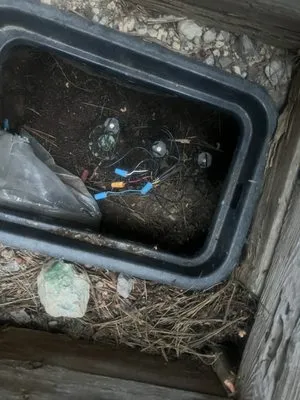
John's Lawns in Weed, CA, is a dedicated local lawn service provider specializing in comprehensive lawn care solutions tailored to the unique challenges of Siskiyou County. We understand that many hom...
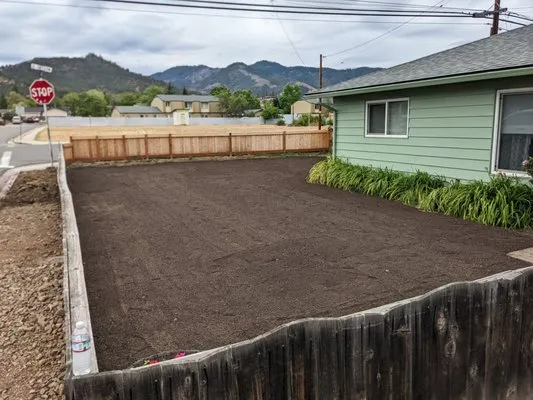
Siskiyou Maintenance began in 2020 when founder Vincent, a student at College of the Siskiyous, noticed a consistent need for reliable property maintenance while caring for his father's rentals, parti...
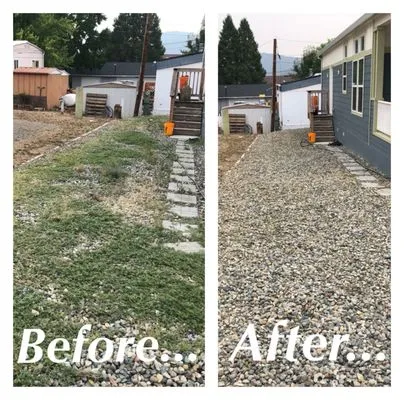
Blessed Hauling is your trusted local partner in Weed, CA, for comprehensive property maintenance and cleanup solutions. We specialize in junk removal, landscaping, and pressure washing services, help...
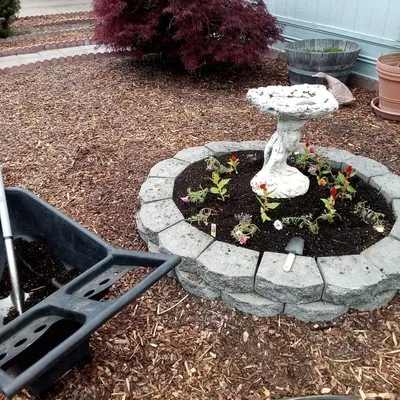
Grossman Landscaping is a locally owned and operated landscaping service established in 2023, serving Weed and the broader Siskiyou County area. We specialize in turning your lawn and garden ideas int...
FAQs
Should we use wood or stone for a new garden border in a high fire-risk area?
In a Critical Fire Wise WUI zone, non-combustible materials are mandatory for defensible space. Basaltic lava rock or permeable granite pavers are superior to wood for longevity and fire resistance. These materials meet ember-resistant zone requirements and integrate with the natural aesthetic, providing a permanent, low-risk structural element that requires no chemical treatment or replacement.
Our yard never seems to hold water. Is this a common issue in Lincoln Heights?
Yes, this is a typical condition for properties built around 1974. The volcanic ash loam soil common to the area has matured for over 50 years, leading to excessive compaction and a loss of soil organic matter. While its natural pH of 6.2-6.8 is excellent, the structure degrades without intervention. Core aeration in spring and the incorporation of compost are critical to improving water retention and rebuilding a healthy soil biome for your turf and plants.
Why does a simple regrading project for our 0.22-acre lot require a licensed contractor?
Any significant earthmoving that alters drainage patterns or creates impermeable surfaces requires a permit from the City of Weed Planning Department. A contractor holding a valid C-27 California CSLB license ensures the work complies with local grading codes and state stormwater regulations. This protects you from liability related to runoff affecting neighboring properties and guarantees the structural integrity of the work.
How do we keep our lawn green during Stage 1 water restrictions?
Wi-Fi ET-based weather-sensing irrigation is the precise tool for this. The system automatically adjusts runtime by using local evapotranspiration data, applying water only when the Kentucky Bluegrass and Fine Fescue mix genuinely needs it. This method can reduce water use by 20-30% compared to traditional timers, keeping the turf healthy while adhering to voluntary conservation goals and preparing for potential stricter mandates.
What's the safest way to control invasive weeds without harming our soil?
Targeted manual removal or spot-treatment with organic herbicides during dry periods is most effective. It is crucial to avoid applications that could violate the California Stormwater Management Program's nitrogen and phosphorus run-off limitations, especially before forecasted rain. Promoting dense native ground covers like Western Yarrow outcompetes weeds and builds soil health, creating a long-term defense.
We have an HOA inspection tomorrow. Can you handle an emergency cleanup?
An emergency compliance visit can be dispatched. The crew routes from the Weed Community Center, taking I-5 directly to Lincoln Heights. Accounting for typical midday traffic, arrival occurs within the 20-30 minute window. Operations align with the standard noise ordinance, ensuring all work is completed within the 7:00 AM to 9:00 PM timeframe to meet your deadline.
Our new patio floods the lawn. What's the best fix for our soil type?
High permeability volcanic soils drain rapidly subsurface but can surface-flood with impermeable surfaces. Replacing standard concrete with permeable granite pavers or using a basaltic lava rock dry creek bed creates positive drainage. These solutions manage runoff on-site, which is a key requirement for meeting the City of Weed Planning Department's stormwater management standards and preventing erosion on your property.
Is there a quieter, lower-maintenance alternative to our current lawn?
Transitioning to a climate-adaptive landscape with native species like Western Serviceberry, Mountain Mahogany, and Bitterbrush significantly reduces maintenance needs. This approach eliminates weekly mowing and gas-powered blowing, aligning with evolving noise ordinances. It also dramatically cuts water use and enhances biodiversity, creating a resilient landscape suited to the local USDA Zone 7a conditions and high wildfire risk.
