Top Landscaping Services in Warm Springs, CA, 92532 | Compare & Call
There are 191 landscaping companies server in Warm Springs CA
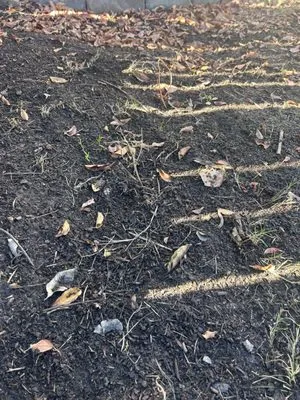
Quality Yard and Home Maintenance
Since 1993, Quality Yard and Home Maintenance has been serving Lake Elsinore as a locally owned and operated landscaping contractor. What began as a passion for yard work has grown into a comprehensiv...
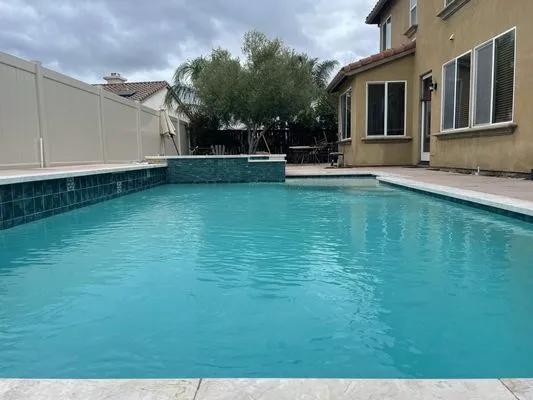
Dream Yards DIY is a Temecula-based landscaping and masonry company specializing in transforming outdoor spaces with durable, functional construction. We handle everything from driveway and patio inst...
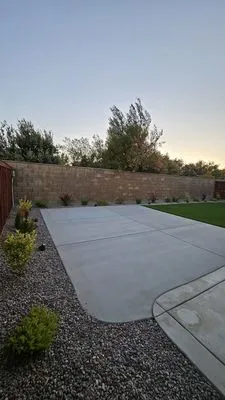
Paul's Landscape Services
Paul's Landscape Services is a licensed landscape contractor serving Menifee and the Inland Valley Region. With C-27, C61-D06, and C61-D12 endorsements, we specialize in comprehensive landscaping solu...
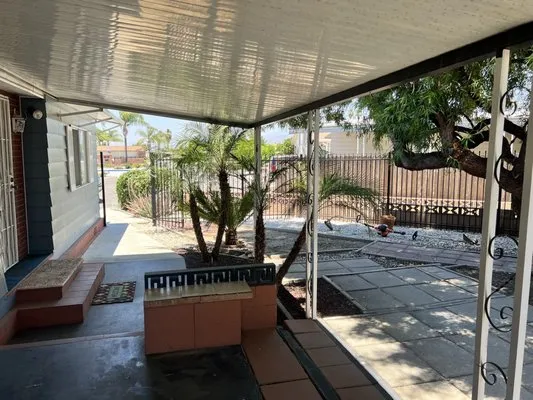
Big Rob's Gardening is a new, locally-owned service in Valle Vista, dedicated to transforming and maintaining beautiful outdoor spaces. As the owner, I'm committed to providing detailed, honest assess...
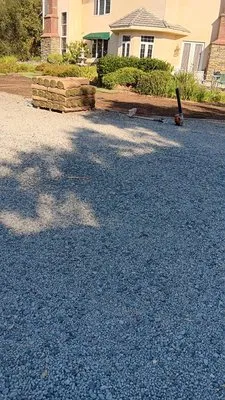
Perez's Landscaping Services is a dedicated local landscaping company serving Menifee, CA, and the surrounding areas. We provide comprehensive yard care, from routine lawn maintenance and gardening to...
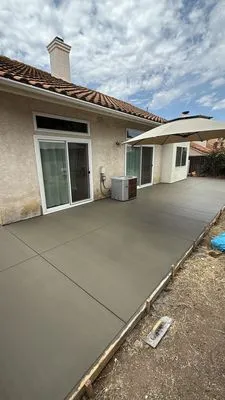
Robles Hardscape is a family-owned masonry, concrete, and landscaping business serving Wildomar, CA. Founded by brothers who learned the trade from their father with over 30 years of experience, the c...
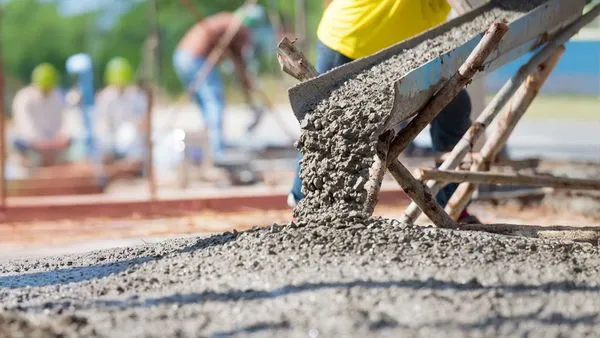
Veleza Terrain & Landscaping is a locally owned and operated landscaping company serving Temecula and Murrieta with over 15 years of experience. Founded by Hector Velez, the business has grown from a ...

A1 Weed Abatement is a family-operated business serving Homeland, CA and surrounding Riverside County communities for over 40 years. Founded by Brian and Adrienne Smith, this husband-and-wife team bui...
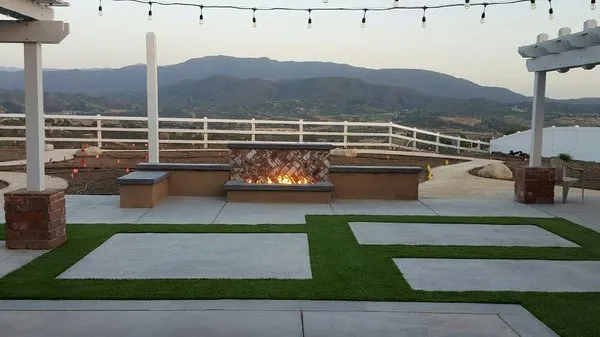
Pitkin Landscape & Design is a family-owned and operated landscaping and masonry business serving Anza, CA, and the Temecula Valley since 1995. Founded by a local family who settled in the area in 198...
J&L Tree Service and Lawn Care is a family-owned and operated business serving Hemet and the surrounding area since 2010. Founded by two brothers, our company grew from a small operation into a truste...
Estimated Landscaping Service Costs in Warm Springs, CA
FAQs
How quickly can you respond to an emergency storm cleanup that violates HOA compliance standards?
Our electric-only equipment fleet can dispatch from the Warm Springs Community Center area within 20-30 minutes during peak response windows. We route via I-680 to access Warm Springs District properties while adhering to local noise ordinances prohibiting gas-powered blowers. Emergency protocols prioritize clearing storm drains of debris to prevent flooding, followed by removing hazardous branches and restoring walkway accessibility. This rapid response typically brings properties into HOA compliance within 2-4 hours depending on debris volume and property size.
Why choose permeable concrete pavers over wood decking for outdoor living spaces in fire-prone areas?
Permeable concrete pavers provide non-combustible defensible space critical for Moderate Fire Wise rated zones like Warm Springs' WUI interface. Unlike wood decking that requires chemical treatments and creates ember traps, pavers maintain structural integrity for 25+ years with minimal maintenance. Their installation with proper spacing allows for emergency access and firefighter movement while reducing flammable vegetation contact. The material's thermal mass also moderates temperature extremes better than wood, reducing heat stress on adjacent plantings during summer months.
How do I maintain healthy tall fescue turf under Stage 2 water restrictions with voluntary conservation budgets?
Wi-Fi ET-based weather sensing controllers adjust irrigation schedules daily using evapotranspiration data specific to Warm Springs' microclimate. These systems reduce water application by 20-30% compared to traditional timers while maintaining dwarf tall fescue health through precise moisture delivery. Programming follows municipal water budgets by prioritizing early morning cycles when evaporation is minimal and soil absorption is optimal. Regular audits ensure sprinkler heads distribute water evenly without overspray onto hardscapes, maximizing every gallon within conservation guidelines.
Why does my Warm Springs District yard have such compacted soil that resists water absorption?
Warm Springs lots developed around 1985 have 41-year-old alkaline clay loam soil with pH 7.5-8.2 that has become increasingly compacted over decades. This soil type naturally develops poor permeability as clay particles settle and organic matter decomposes without replenishment. Core aeration every 2-3 years combined with 2-3 inches of compost amendment improves soil structure by creating channels for water movement and introducing beneficial microorganisms. Without this intervention, water pools on the surface during irrigation events, leading to runoff and shallow root development in turf and ornamental plantings.
What licensing and permits are required for regrading my 0.15-acre Warm Springs property?
Grading projects exceeding 50 cubic yards of earth movement require a Fremont Planning Division permit with engineered drainage plans. Contractors must hold California CSLB C-27 Landscaping or C-12 Earthwork licenses demonstrating competency with expansive clay soils. The 0.15-acre lot size triggers specific erosion control measures during construction to prevent sediment runoff into community storm systems. Licensed professionals carry insurance covering subsurface condition discoveries like undocumented utilities or soil contamination that DIY approaches might miss, protecting both property value and neighborhood watershed health.
How do I treat invasive species like yellow starthistle without violating phosphorus restrictions near storm drains?
Manual removal before seed set combined with spot-applied iron-based herbicides targets invasive species without introducing phosphorus to watersheds. Treatment timing avoids blackout dates when rains could carry chemicals into storm drains, typically focusing on dry periods between March and October. For persistent infestations, solarization using clear plastic during summer heat kills seeds and roots in the top 6 inches of soil. Replanting treated areas with Cleveland sage creates competitive exclusion against future invasions while supporting local ecology.
What landscape alternatives reduce maintenance while preparing for upcoming electric equipment requirements?
Replacing water-intensive turf with California poppy, coast live oak, and Cleveland sage plantings creates a self-sustaining ecosystem that requires minimal intervention. These natives have deep root systems accessing subsurface moisture, eliminating weekly mowing and reducing irrigation needs by 70-80%. The transition supports 2026 biodiversity standards by providing habitat for pollinators while eliminating gas-powered equipment before noise ordinance enforcement begins. Strategic placement of deergrass as accent plantings manages soil erosion without creating leaf litter that requires frequent blowing.
What solutions address the high runoff from expansive shrink-swell clay soils on my property?
Permeable concrete pavers installed with proper base materials create infiltration zones that capture 80-90% of stormwater runoff. This system meets Fremont Planning Division standards by reducing peak flow rates and filtering pollutants through aggregate layers before water reaches the clay subsoil. For existing impervious surfaces, French drains channel water to rain gardens planted with deergrass and Cleveland sage that tolerate both saturation and drought. These approaches mitigate the shrink-swell cycle that damages foundations and hardscapes during wet-dry transitions.
