Top Landscaping Services in Walnut Creek, CA, 94507 | Compare & Call
There are 220 landscaping companies server in Walnut Creek CA
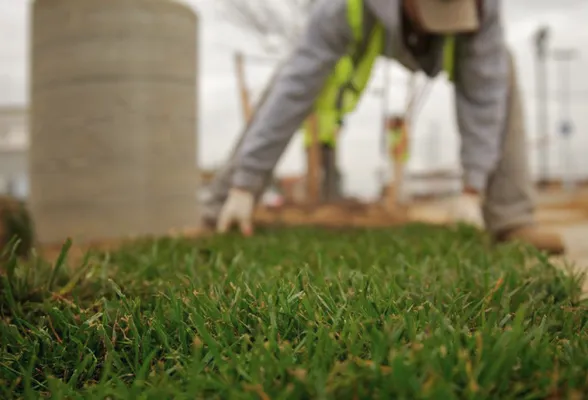
For over 15 years, Guzman Landscaping has been a trusted local contractor in Richmond and the Bay Area, led by owner René. We are a licensed and insured team specializing in comprehensive landscape co...
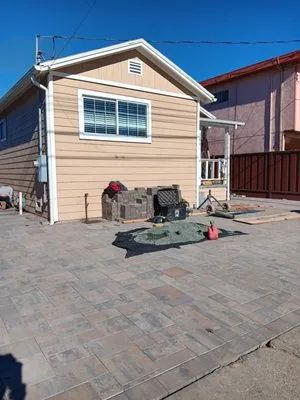
Founded in 2003, East Bay Landscaping Services is a locally owned and operated business serving San Pablo and the wider East Bay Area. Our journey began with a passion for helping people transform the...
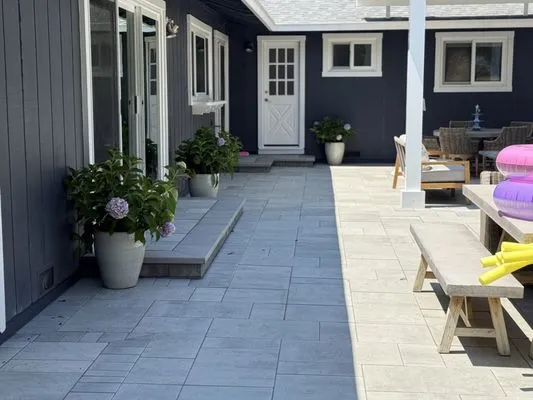
Signature Landscapes is a licensed landscaping contractor serving Pinole, CA, with over 25 years of experience in design and build services. We specialize in creating durable and inviting outdoor spac...
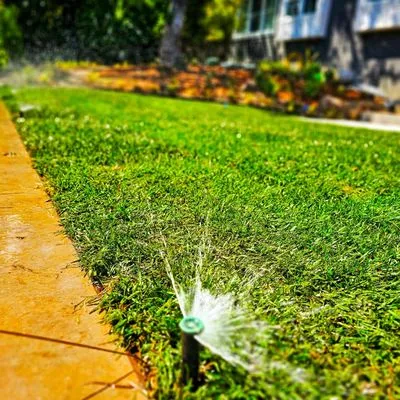
Valley Vista Landscaping is a San Francisco-based landscaping and irrigation company dedicated to creating and maintaining beautiful, resilient outdoor spaces tailored to the unique Bay Area climate. ...
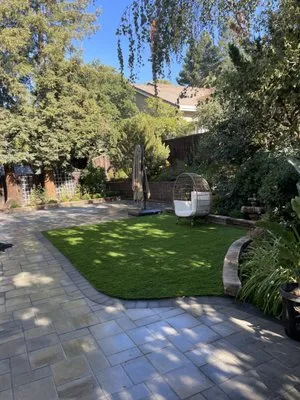
Legacy Landscape CA
Legacy Landscape CA is a family-operated Richmond landscaping business with over 25 years of experience, specializing in comprehensive outdoor transformations. We combine masonry, concrete work, and l...
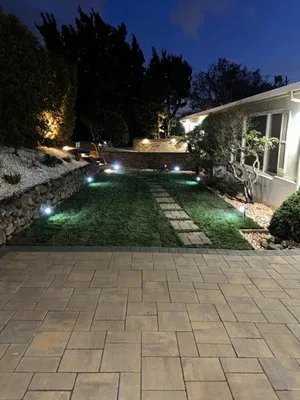
Bay Green Landscape is a licensed landscaping and hardscaping company serving El Sobrante, CA, with expertise in transforming outdoor spaces through practical and creative solutions. We specialize in ...
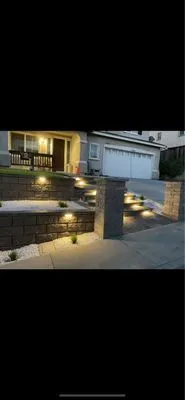
Golden Hills Landscape
Golden Hills Landscape is a California state-licensed contractor serving Bay Point and the greater San Francisco Bay Area. For over 23 years, owner Alonso and his experienced, bilingual team have spec...
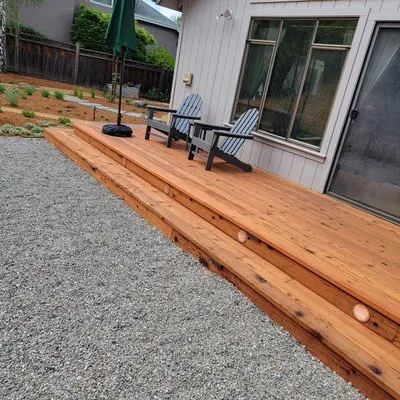
Intuitive Landscape & Construction brings a family legacy of craftsmanship to Oakland's outdoor spaces. Founded by Oscar, who learned the trade from his landscaper father, the business is built on dee...
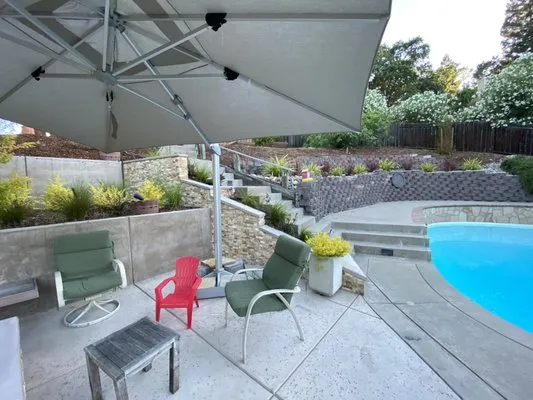
Founded in 2009 by Octaviano Pablo, New Earth Landscaping is a licensed, insured, and bonded landscape contractor serving the East and South Bay Area, including Walnut Creek. With a decade of hands-on...
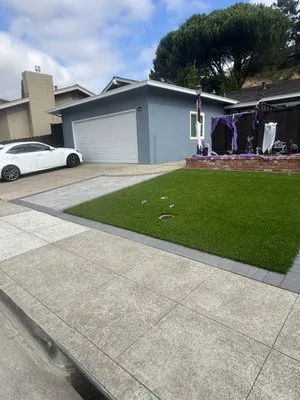
Vitoria Pavers is an owner-operated contractor based in San Pablo, CA, specializing in hardscape and landscaping solutions since 2009. We focus on transforming outdoor spaces with durable materials li...
Estimated Landscaping Service Costs in Walnut Creek, CA
FAQs
How do I control invasive species without chemical runoff?
Targeted manual removal of invasive species like French broom or yellow starthistle prevents seed bank development while avoiding herbicide runoff. Treatment during dry periods (May-September) minimizes chemical mobility in clay soils, complying with statewide stormwater management blackout dates. Solarization using clear plastic tarps for 4-6 weeks during peak heat effectively sterilizes soil in infestation areas. Replanting with Cleveland Sage or other natives creates competitive exclusion against future invasions without fertilizer inputs.
What permits and licenses are needed for grading my property?
Grading work on 0.22-acre lots requires Walnut Creek Planning & Building Division permits for any cut/fill exceeding 50 cubic yards or slope modifications over 10%. Contractors must hold active CSLB licenses with A (General Engineering) or C-27 (Landscaping) classifications to perform earthwork. The permit process includes soil engineering reports for expansive clay conditions and erosion control plans meeting NPDES requirements. Unlicensed grading risks stop-work orders and fines up to $5,000 per violation under California Business and Professions Code.
What solutions prevent pooling and runoff in my clay soil?
Expansive clay loam in Walnut Creek creates high runoff hazards requiring engineered drainage solutions. Permeable concrete pavers installed with 2-4mm joints filled with angular gravel create infiltration rates of 5-10 inches per hour, meeting Planning & Building Division runoff standards. Subsurface French drains with clean washed gravel and geotextile fabric provide secondary protection during heavy rain events. Grade transitions should maintain minimum 2% slope away from structures while incorporating swales to direct water toward infiltration zones.
Why does my soil feel so compacted and dense compared to newer neighborhoods?
Walnut Creek's Northgate neighborhood has homes averaging 52 years old (2026 minus 1974 build date), creating mature clay loam soil with pH 7.2-7.6 that has undergone decades of compression. This alkaline clay loam develops poor permeability over time, restricting root growth and water infiltration. Core aeration with organic amendments like composted bark or aged manure improves soil structure by increasing pore space and microbial activity. Regular soil testing every 2-3 years helps monitor pH drift toward excessive alkalinity that can lock up essential nutrients.
How quickly can you respond to emergency storm damage for HOA compliance?
Emergency cleanup crews dispatch from Heather Farm Park via I-680 to Northgate properties within 25-35 minutes during peak storm response windows. This routing prioritizes arterial access while avoiding residential bottlenecks common during weather events. Crews arrive with electric equipment compliant with Walnut Creek's noise ordinance, including battery-powered chainsaws and silent blowers. Documentation for HOA compliance includes timestamped arrival photos and debris volume estimates before removal begins.
Can I maintain healthy turf while following water restrictions?
Wi-Fi ET-based smart controllers precisely match irrigation to actual evapotranspiration rates, reducing Tall Fescue water use by 20-30% while maintaining turf health. These systems automatically adjust for Walnut Creek's Stage 1 voluntary conservation by skipping cycles during rainfall and reducing runtime during cooler periods. Properly calibrated controllers deliver 0.75-1.0 inches weekly during peak season, keeping fescue roots in the optimal 6-8 inch depth range. Monthly performance audits ensure no overspray or runoff violates stormwater management ordinances.
Are permeable pavers better than wood decking for fire safety?
Permeable concrete pavers provide superior fire resistance compared to combustible wood materials, crucial in Walnut Creek's Moderate WUI Zone Interface. Pavers maintain defensible space requirements by eliminating flammable organic material accumulation common with wood decking. Their non-combustible nature and ability to withstand ember showers make them preferable for properties near wildland interfaces. Unlike wood, pavers require no chemical fire retardants that can leach into soil during winter rains.
What low-maintenance alternatives exist for high-water turf areas?
Replacing water-intensive turf with California native plant communities reduces maintenance by 60-70% while supporting local ecology. Cleveland Sage, Western Redbud, and Coast Live Oak plantings create layered habitats that require no gas-powered equipment, aligning with electric-only blower mandates. California Poppy meadows provide seasonal color without irrigation after establishment. These plant communities develop deep root systems exceeding 10 feet, stabilizing slopes and accessing subsurface moisture unavailable to turf grasses.
