Top Landscaping Services in Vista, CA, 92056 | Compare & Call

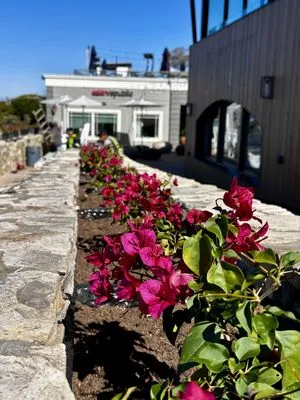
Rojas Landscape Construction in Vista, CA, is a licensed and bonded company with over 15 years of experience serving North County and San Diego. Founded by Robert Rojas, who learned the trade from his...
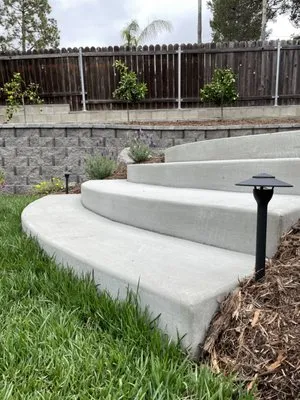
Mr. Martinez Landscaping is a Vista-based, family-owned company with deep roots in San Diego County. Founded in 1990 by Juan Martinez, the business earned its distinctive name from the respect of loya...

SD Outdoor Scapes in Vista, CA, is a full-service landscape design and construction company founded on a passion for creating beautiful, functional outdoor living spaces. From artificial turf installa...
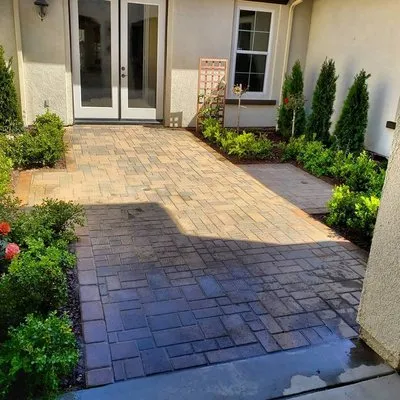
Silver Scapes in Vista, CA is a local landscape contractor founded and operated by Nate Nieto. Since 2014, Nate has applied his deep knowledge of San Diego County's unique terrain to deliver honest, f...
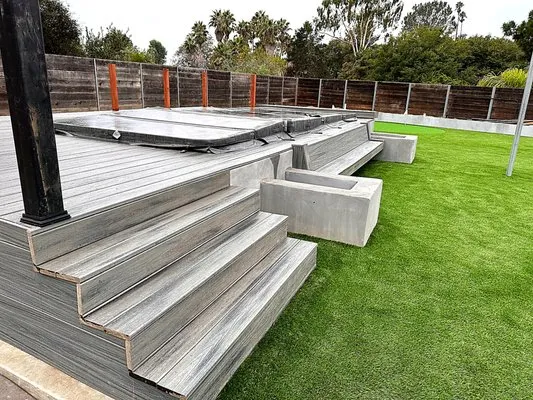
For over 20 years, Rafael Martínez and the team at RMG Hardscaping have been building lasting beauty in Vista, CA. What began as a passion for traditional landscaping evolved into a specialization in ...
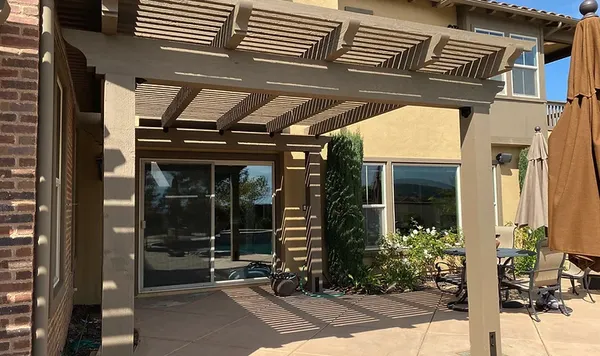
Santiago Landscapes is a family-owned landscaping company serving Vista and surrounding communities for over 20 years. We provide comprehensive landscape solutions, from routine lawn care and shrub ma...

Reyes Landscape Maintenance
Reyes Landscape Maintenance, Inc. is a full-service design/build company based in Vista, California, serving the North County San Diego area. We specialize in creating and maintaining outdoor living s...
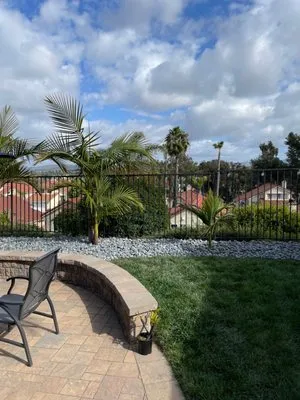
George's Landscaping & Maintenance is a trusted Vista-based company specializing in comprehensive outdoor care, including artificial turf installation, gardening, and landscape maintenance. We help Vi...
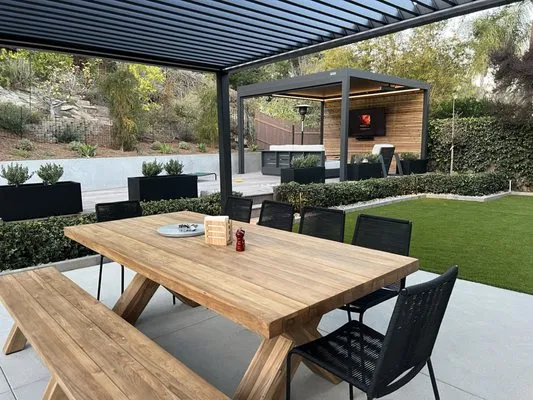
Tierra Linda Landscape
Tierra Linda Landscape is the realization of a lifelong passion for Vista's outdoor spaces. Founded in 2017 by Daniel Montaño, a North County native who grew up in his family's landscape business, the...
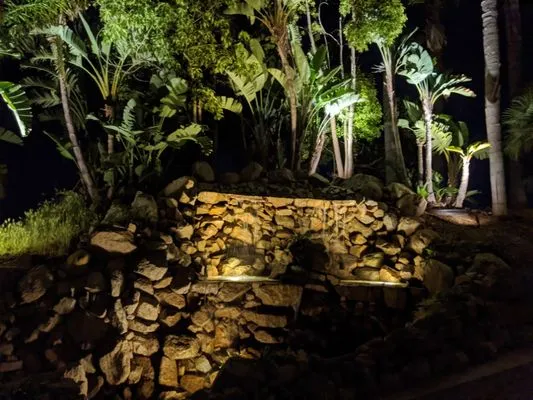
Azaleawood, founded by Ruben, is a Vista-based licensed contractor with deep roots in the community dating back to 1987. With over 33 years of dedicated experience, Ruben personally handles every proj...
Frequently Asked Questions
How quickly can you respond for an emergency storm cleanup to meet HOA compliance deadlines?
For emergency response, we dispatch a crew from our central dispatch near the Alta Vista Botanical Gardens. Utilizing CA-78, we can typically reach Vista Village properties within the 25-35 minute window noted for peak storm conditions. Our electric maintenance fleet allows us to operate within Vista's noise ordinance hours, starting at 8 AM, to begin immediate debris management and mitigate any compliance issues.
Why does the soil in my Vista Village yard feel so compacted and dry?
Homes built around 1987, common in this area, have soils that have matured for nearly 40 years. The native alkaline sandy loam often develops a clay-heavy, impermeable subsoil layer from decades of standard maintenance. This layer restricts root growth and water percolation. Core aeration and incorporating composted organic matter are critical practices to rebuild soil structure and biological activity.
What are the benefits of replacing some lawn with native plants in Vista?
Transitioning high-input turf areas to a palette of California Lilac, Cleveland Sage, and Deergrass significantly reduces water demand, mowing frequency, and chemical dependency. These deep-rooted natives improve soil health and support local biodiversity. This shift also future-proofs your landscape against evolving regulations, such as stricter gas-powered equipment noise ordinances, by reducing the need for intensive, noisy maintenance.
How can I keep my St. Augustine grass green under Vista's current water restrictions?
Under Level 2 voluntary conservation, efficient water use is paramount. A Wi-Fi ET-based smart irrigation controller is essential. It automatically adjusts runtime based on local evapotranspiration data, weather forecasts, and soil moisture. This technology applies water only when and where the turfgrass needs it, maintaining health while staying well within municipal water budgets and preserving soil permeability.
What permits and licenses are needed to regrade my backyard for better drainage?
Regrading a 0.22-acre lot often requires a grading permit from the City of Vista Planning Division to ensure proper erosion control and drainage flow. The contractor performing this work must hold a relevant C-27 Landscaping or C-61/D-06 Concrete license from the California Contractors State License Board (CSLB). This licensing is mandatory for any project that alters soil elevation, protects you from liability, and ensures compliance with state and local building codes.
My yard pools water after rain. What's a long-term solution for Vista's clay subsoil?
Moderate runoff on 0.22-acre lots is often due to the compacted, clay-heavy subsoil beneath the sandy loam. Installing a French drain system to redirect subsurface water is a primary solution. Complement this with permeable concrete pavers for any new hardscapes. This combination increases overall site permeability and can help projects meet the City of Vista Planning Division's updated standards for stormwater management.
Are permeable pavers a better choice than wood decking for a new patio?
For longevity and fire resilience, permeable concrete pavers are superior. They do not rot, warp, or attract termites, and their installation maintains crucial soil infiltration rates. In Vista's Moderate (WUI Zone 2) fire risk area, non-combustible hardscapes like pavers contribute to defensible space requirements. They also mitigate local heat island effect more effectively than wood or traditional non-permeable concrete.
What invasive species should I watch for, and how do I treat them safely?
In Vista's Zone 10a, watch for invasive grasses like Bermuda (non-TifTuf varieties) and woody pests like Mexican Fan Palm seedlings. Manual removal is preferred. For targeted herbicide use, timing is critical to avoid the Regional Water Quality Control Board's seasonal blackout dates designed to prevent NPK runoff into watersheds. Always identify the species first and choose treatment methods that protect soil microbiology and adjacent native plants.
