Top Landscaping Services in Valley Center, CA, 92027 | Compare & Call
There are 240 landscaping companies server in Valley Center CA
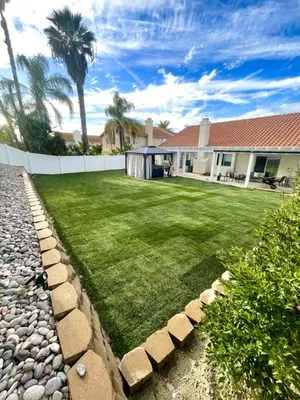
Zepeda’s Landscaping is a family-owned business that has been providing dedicated service to Temecula and Riverside County since 2004. Specializing in both commercial and residential projects, our foc...
Tomas Martinez is a Carlsbad-based landscaping professional with over two decades of hands-on experience serving the local community. Operating as Tomas Martinez Landscaping, he specializes in custom ...
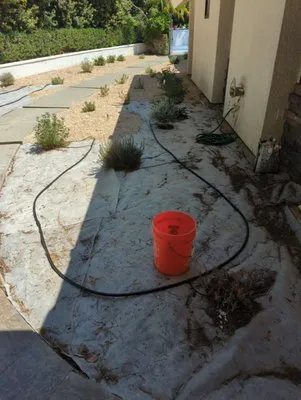
Bello's Landscaping
Bello's Landscaping is a Vista-based, family-owned and operated business with over two decades of hands-on experience in transforming outdoor spaces. Owner Bello began working in landscaping at age te...
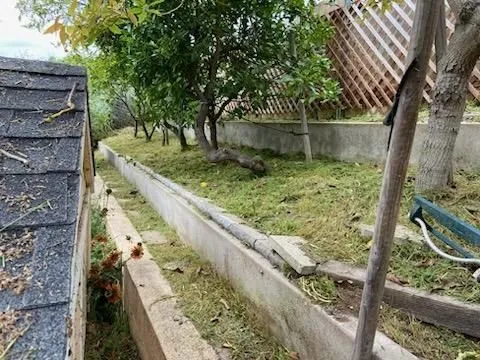
Omar Landscaping & Maintenance provides comprehensive outdoor solutions for San Marcos, CA, homeowners. We specialize in addressing common local challenges like soil compaction and persistent weed gro...
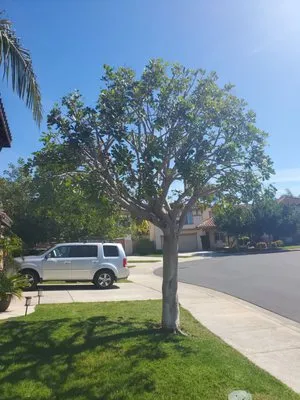
Luis's Tree Service is a locally owned and operated tree care and landscaping business serving Bonsall and Murrieta, CA. Founded by Luis after gaining extensive experience working in his father's tree...
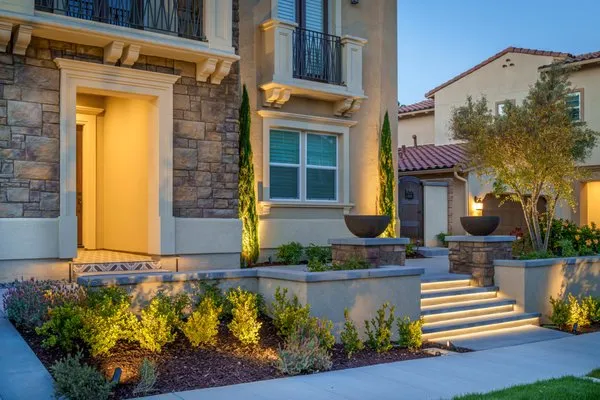
Majestic Hardscapes is a licensed and bonded hardscape specialist serving Escondido and San Diego County. With over 20 years of hands-on experience, we bring a keen eye for detail and a practical, no-...
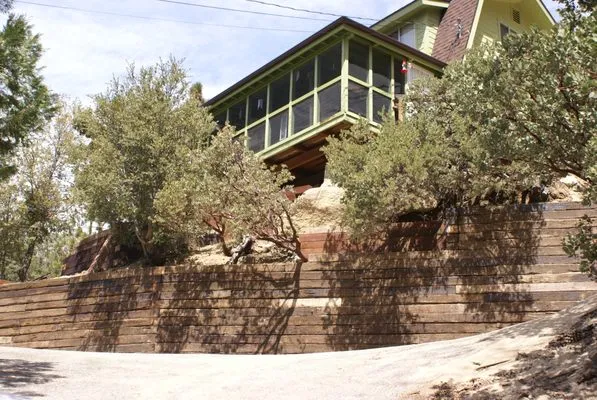
Cottage Caretakers is a trusted home services provider in Idyllwild-Pine Cove, founded by Jim Ortego and his wife Terri. With roots dating back to their college days in Long Beach, where Jim started d...
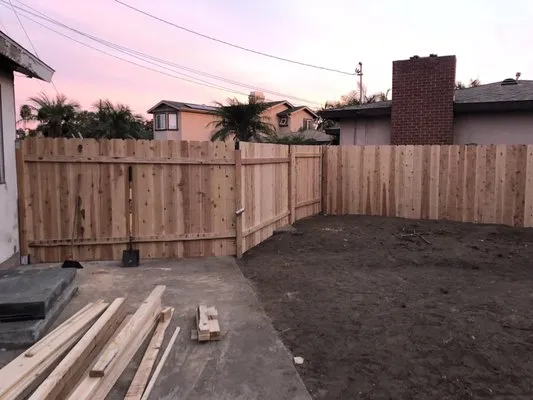
Alameda Landscaping and Tree Service is a trusted local provider in Fallbrook, CA, specializing in comprehensive tree care and landscaping solutions. We help Fallbrook homeowners address common issues...
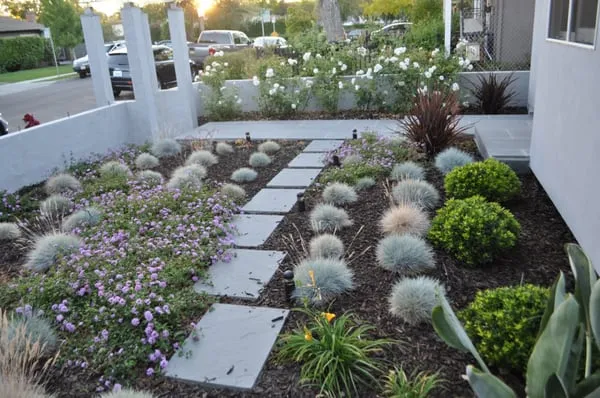
R.D. Jones Landscape Construction is your trusted local partner for creating and maintaining beautiful, resilient outdoor spaces in Bonsall, CA. We specialize in addressing common local challenges lik...
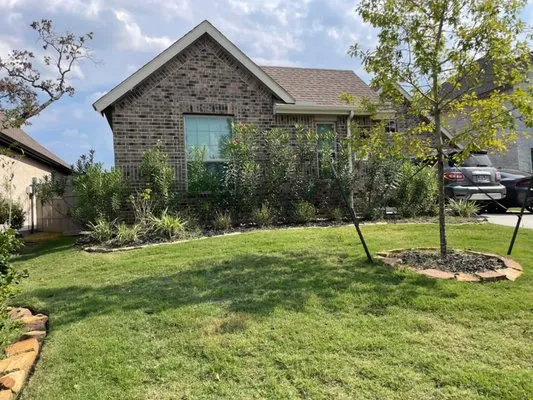
Magic Landscape is a full-service landscaping and construction company serving San Marcos, CA. We specialize in creating and maintaining resilient outdoor spaces, from artificial turf installations an...
Estimated Landscaping Service Costs in Valley Center, CA
Common Questions
Should I replace my lawn with native plants given new equipment regulations?
Transitioning to California Lilac, White Sage, and Toyon reduces maintenance frequency ahead of gas-blower restrictions. Native plantings require minimal pruning and no seasonal leaf removal, aligning with electric fleet capabilities. These species establish deep root systems that stabilize slopes while providing habitat connectivity. The shift supports WUI Zone 1 compliance through reduced fuel loads and lower irrigation demands year-round.
How quickly can you respond to an emergency cleanup after storm damage in Valley Center?
Emergency storm response from our Adams Park dispatch follows SR-76 with 45-60 minute arrival during peak conditions. This accounts for potential road closures and high erosion hazards common in Valley Center's sloped terrain. We prioritize HOA compliance issues involving downed trees or blocked access roads. Our electric fleet operates within the 7:00 AM to 7:00 PM noise ordinance window for immediate debris removal.
What permits and licenses are needed for grading my 2.0-acre property?
Grading on 2.0-acre lots requires a County of San Diego Planning & Development Services permit for any cut/fill exceeding 50 cubic yards. The contractor must hold C-27 Landscaping or C-12 Earthwork licenses from the California Contractors State License Board. These ensure proper erosion control during work and final stabilization meeting 2026 standards. Unlicensed grading risks fines up to $5,000 plus remediation costs for slope failure.
What solutions prevent erosion on my sloped Valley Center property?
High erosion in sandy loam soils requires permeable hardscaping with decomposed granite or flagstone to manage runoff. These materials allow water infiltration at 8-12 inches per hour, reducing surface flow that causes slope instability. Swales lined with native bunch grasses further slow water movement. The County of San Diego Planning & Development Services requires such systems to meet current watershed protection standards for 2.0-acre parcels.
Why does my Valley Center Proper soil feel compacted and drain poorly after decades?
Valley Center Proper lots with 1985-era construction have 41-year-old soil systems that have settled into acidic to neutral sandy loam. This soil type naturally compacts over time, reducing permeability and root zone oxygen. Core aeration with organic amendments like composted green waste addresses compaction while maintaining the pH 6.2-7.0 range. Regular soil testing every 2-3 years monitors organic matter content, which typically declines in mature landscapes without intervention.
How do I control invasive species without violating fertilizer regulations?
Targeted manual removal of invasive plants like yellow starthistle precedes careful herbicide application during permitted windows. The San Diego County Watershed Protection Program prohibits phosphorus runoff, requiring slow-release organic fertilizers only during active growth periods. Mycorrhizae inoculants boost native plant competitiveness against invaders. Treatment timing avoids blackout dates near seasonal watercourses to protect aquatic habitats.
How do I maintain Tall Fescue or Kurapia during Stage 2 water restrictions?
Smart Wi-Fi ET-based controllers with drip emitters reduce water use 30-40% while preserving turf health. These systems calculate evapotranspiration rates specific to Valley Center's microclimate, applying water only when soil moisture sensors indicate need. Drip irrigation targets root zones directly, minimizing evaporation loss compared to traditional sprinklers. This approach keeps Tall Fescue viable within municipal water limits while Kurapia's drought tolerance provides additional conservation buffer.
Why choose decomposed granite over wood for patios in fire-prone areas?
Decomposed granite provides non-combustible defensible space required for Extreme fire risk zones. This material maintains structural integrity for 15-20 years without degradation from UV exposure or moisture. Unlike wood, it doesn't require chemical treatments that could leach into sandy loam soils. Flagstone offers similar fire-wise benefits with higher permeability rates for managing runoff on sloped sites.
