Top Landscaping Services in Tuttletown, CA, 95370 | Compare & Call
There are 238 landscaping companies server in Tuttletown CA

NC Lawn Care is a Salida-based lawn service provider dedicated to helping local homeowners achieve and maintain healthy, vibrant lawns. We understand the unique challenges of the Salida climate and so...
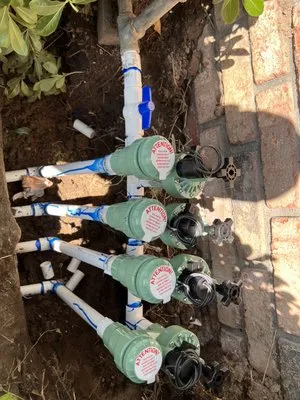
Royal Cuts Landscape is a Modesto-based landscaping company founded in 2015 by an owner who gained extensive experience working for GROVER, a local industry leader. With over 8 years in the business, ...
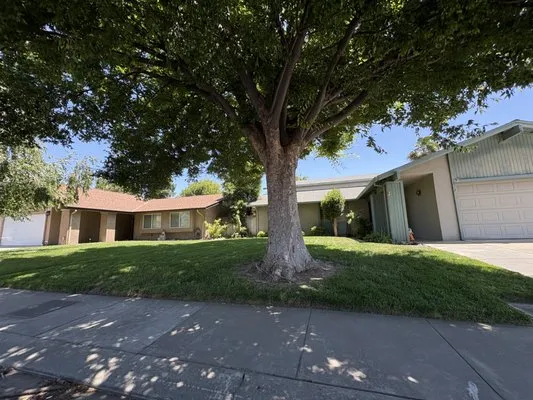
Epi’s Landscaping And Maintenance is a trusted local provider in Modesto, CA, offering comprehensive landscaping and tree care services. A common issue in the Modesto area is the development of dry la...

Guzman Landscaping & Tree Services is a family-owned business in Escalon, CA, founded by a father and now operated by his son. We specialize in comprehensive landscaping and tree care, including lands...
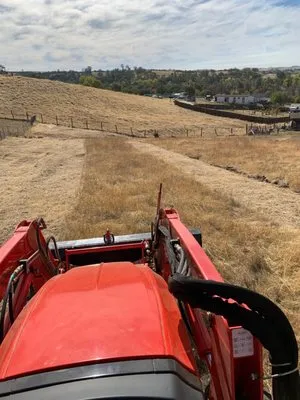
M&C Tractor and Trailer Services is a family-owned business serving Valley Springs and the surrounding counties. We specialize in essential dirt work and hauling services to help homeowners and proper...
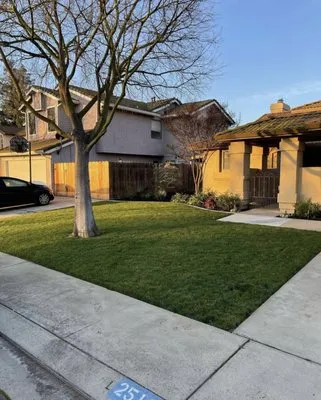
M&R's Landscaping and Tree Service Masters has been a trusted presence in Riverbank, CA, for over a decade. We specialize in a comprehensive range of services, from foundational earthmoving and irriga...
JK & L Weedeating Services is a family-run business serving Farmington and the surrounding Central Valley. Founded by Julie Barlow and twin brothers Kurt and Lance Williams, we bring a personal, hands...
Soto's Landscape is a trusted Manteca-based contractor specializing in masonry, concrete, tree services, and comprehensive lawn care. Serving the local community, we address common Manteca landscaping...
Juan's Gardening Service has been serving Modesto's landscaping needs since 2000, combining decades of experience with a genuine passion for outdoor work. We specialize in transforming and maintaining...
Mojica Landscaping brings over 14 years of dedicated experience to Modesto's outdoor spaces. Our professional team is committed to providing reliable and creative landscaping, tree care, and fence ser...
Estimated Landscaping Service Costs in Tuttletown, CA
FAQs
What permits and licenses are needed for grading my half-acre lot?
Grading projects exceeding 50 cubic yards on 0.50-acre properties require Tuolumne County Community Development Department review for erosion control and drainage compliance. Contractors must hold appropriate California Contractors State License Board classification for earthwork and landscaping. The permit process evaluates soil disturbance impact on neighboring properties and stormwater management systems. Licensed professionals carry required bonding and insurance for slope stabilization work, particularly important given the area's high erosion potential. Unpermitted grading can trigger significant penalties and mandatory restoration orders.
How quickly can you respond to emergency storm damage for HOA compliance?
Emergency cleanup dispatch originates from the New Melones Lake Visitor Center area, traveling CA-49 to reach Tuttletown Core within 45-60 minutes during peak conditions. Our electric fleet operates within the 7 AM to 7 PM noise ordinance window without gasoline engine restrictions. We prioritize downed limb removal and erosion control on slopes with high erosion potential. This routing accounts for typical traffic patterns while ensuring compliance with local response time expectations for storm-related landscape emergencies.
Why does my Tuttletown Core soil seem compacted and nutrient-depleted?
Tuttletown Core properties average 59 years of development since 1967, creating mature Ultic Haploxeralfs soil with pH 6.2-6.8 that has likely experienced decades of compression from foot traffic and equipment. This soil type naturally develops hardpan layers that restrict root penetration and water infiltration. Core aeration every 2-3 years combined with organic amendments like composted bark improves soil structure and microbial activity. The neighborhood's age means most lawns have never undergone systematic soil rehabilitation, explaining why turf appears thin despite regular watering.
What solutions prevent erosion on my sloped property?
Ultic Haploxeralfs soil has moderate permeability that becomes problematic on slopes during heavy rainfall, creating high erosion potential. Permeable decomposed granite pathways and local slate retaining walls allow gradual water infiltration while meeting Tuolumne County runoff standards. French drains wrapped in geotextile fabric redirect subsurface water away from vulnerable areas. Terracing steep sections with native plant stabilization reduces surface flow velocity, preventing soil loss during intense storm events common in this region.
Can I maintain Tall Fescue turf during Stage 1 water restrictions?
Smart Wi-Fi ET-based controllers precisely match irrigation to evapotranspiration rates, reducing Tall Fescue water use by 25-40% while maintaining turf health. These systems automatically adjust for daily weather conditions and soil moisture levels, staying well within voluntary conservation guidelines. Dwarf-type Tall Fescue cultivars require less frequent watering than standard varieties when paired with proper soil management. Programming separate zones for turf versus planting beds further optimizes water distribution according to each area's specific needs.
Are decomposed granite and local slate better than wood for fire safety?
Decomposed granite and local slate provide non-combustible surfaces that meet WUI Zone 3 defensible space requirements for Very High fire risk areas. These materials maintain structural integrity under extreme heat exposure where wood decks would contribute to fire spread. Properly installed slate retains minimal organic matter that could ignite during ember storms. Decomposed granite pathways create firebreaks without supporting flammable vegetation growth. Both materials offer superior longevity with minimal maintenance compared to wood alternatives in Tuttletown's climate.
How do I control invasive species without violating fertilizer regulations?
Early detection of invasive plants like yellow starthistle or medusahead prevents establishment before they compromise native ecosystems. Manual removal during moist soil conditions proves most effective for small infestations. For larger areas, targeted herbicide applications must avoid State Stormwater Pollution Prevention blackout dates preceding forecasted rainfall. Integrating competitive native species creates ecological resistance to invasion while maintaining soil health. Regular monitoring during peak growing seasons identifies new invasions before they require extensive intervention.
Should I replace high-maintenance turf with native plants?
Transitioning from Tall Fescue to California Poppy, Blue Oak, Western Redbud, and Deergrass reduces water needs by 70-80% while providing year-round habitat value. Native plantings require minimal maintenance, eliminating weekly mowing and frequent fertilization. This approach aligns with evolving noise ordinances that increasingly restrict gasoline-powered equipment operation. Established native landscapes also demonstrate superior drought resilience and support local pollinator populations, contributing to 2026 biodiversity targets for residential properties.
