Top Landscaping Services in Tustin, CA, 92602 | Compare & Call

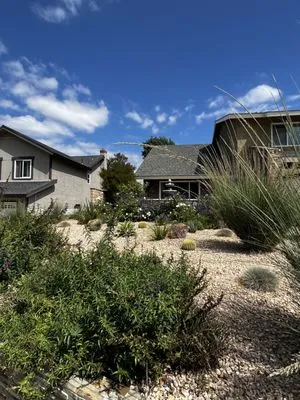
Growscapes in Tustin, CA, is a licensed landscaping company founded on a family legacy in the industry, with a mission to provide sustainable, eco-friendly alternatives. Specializing in drought-tolera...
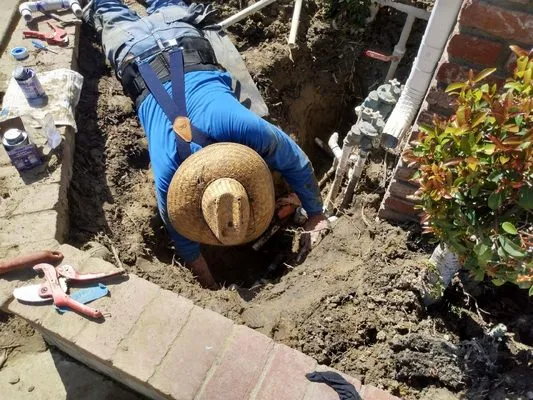
Orange County Sprinkler Repair
Orange County Sprinkler Repair has been serving Tustin's irrigation and landscaping needs since 1984. Founded by Steve Stoeckel, who began his career as an apprentice at Turfman Landscape before estab...
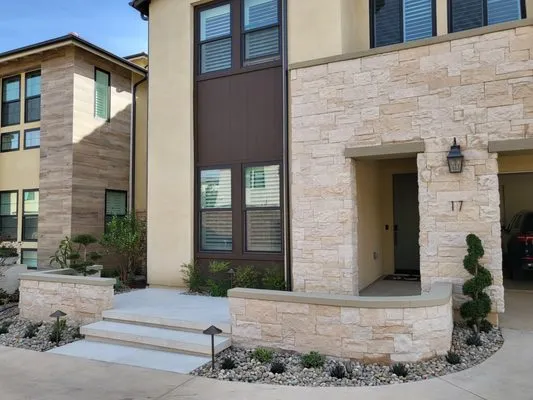
Jasmine Landscape and Design
Jasmine Landscape and Design has been a trusted name in Tustin and South Orange County since 1993. For over 30 years, our team has built strong relationships with local homeowners by blending artistic...
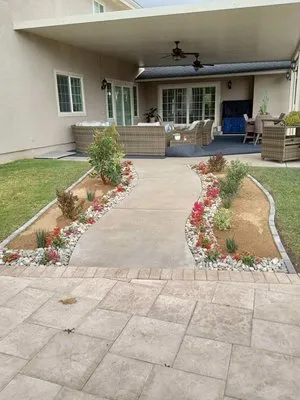
OC Sprinkler Guys is a trusted, family-oriented landscaping and irrigation business rooted in Tustin, Orange County. Founded and managed by local expert Alfred Benites, a California native and License...
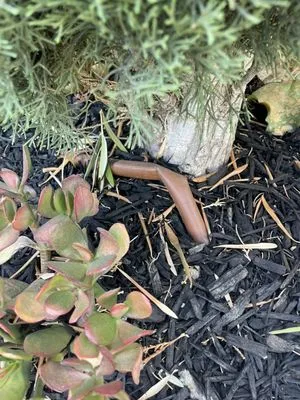
Jorge Duarte Landscaping is a trusted local landscaping company serving Tustin, CA, with comprehensive services that transform outdoor spaces. We specialize in tree trimming, tree removal, renovations...
Armstrong Garden Centers in Tustin is your local, employee-owned destination for all things gardening. With 130 years of California horticultural heritage, we bring deep-rooted expertise to every proj...
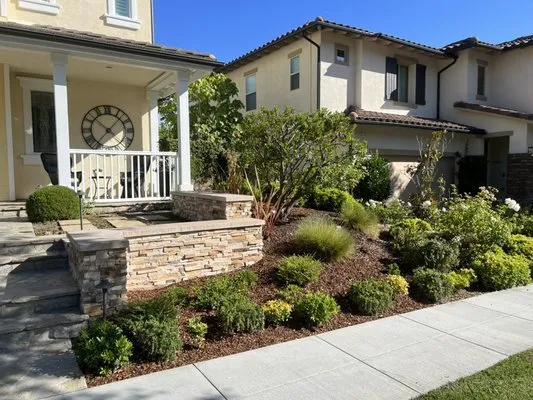
Rosendo’s Landscape & Maintenance is a full-service landscaping company serving Tustin, CA, and the surrounding Orange County communities. We specialize in creating and maintaining beautiful, healthy ...
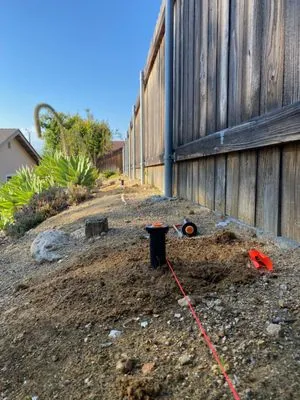
Terrascape Landscaping is a Tustin-based landscaping company dedicated to transforming outdoor spaces with reliable service and personalized attention. We specialize in creating beautiful, functional ...
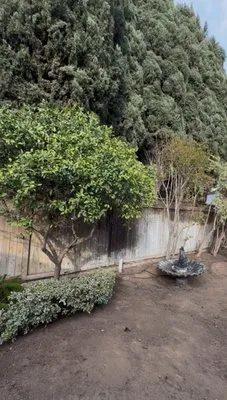
Ancira Landscaping is a family-owned Tustin business, where generations of gardening expertise come together to care for your outdoor space. We provide professional landscaping, lawn care, and mainten...
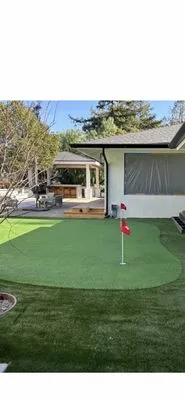
Tustin Landscaping is a family-owned business that began in 2007 when Jason, previously part owner of Silver Creek Nursery, decided to start his own company. Specializing in custom landscape design an...
Questions and Answers
Is a wooden deck or a paver patio better for longevity and fire safety in our area?
Permeable concrete pavers offer superior durability and align with the Moderate Fire Wise rating for our urban-wildland interface. Unlike wood, pavers are non-combustible and do not require sealing or replacement due to rot. They also contribute to defensible space by creating a stable, ignition-resistant zone adjacent to the home, which is a critical consideration for property hardening in Southern California.
We want to regrade our 0.19-acre lot for better drainage. What permits and contractor credentials are required?
Any significant grading that alters water flow or involves moving over 50 cubic yards of earth requires a permit from the Tustin Planning & Building Department. The contractor performing this work must hold a valid California CSLB license, specifically a C-27 (Landscaping) or a C-12 (Earthwork and Paving) license. This ensures they are bonded, insured, and legally qualified to execute the engineered plan for your property size, protecting you from liability and substandard work.
Our backyard floods after moderate rain. What's a permanent solution that also looks good?
The primary issue is the low infiltration rate of Tustin's clay loam soil. Installing a network of permeable concrete pavers over a graded gravel base creates a high-functioning, attractive surface. This system allows stormwater to percolate directly into the subsoil, mitigating surface pooling. This approach often meets the Tustin Planning & Building Department's standards for on-site stormwater management by reducing runoff volume and velocity.
We have an invasive weed that keeps coming back. How do we treat it without harming the environment or breaking local rules?
First, identify the species; common alerts include Bermudagrass incursion into planting beds or bindweed. Manual removal is most effective for small infestations. For targeted chemical treatment, select a herbicide labeled for that specific plant and apply it during a dry period with no forecasted rain for 48 hours. This protocol adheres to the Urban Runoff BMP ordinance, preventing nitrogen and chemicals from washing into the storm drain system.
We're tired of weekly mowing and loud gas blowers. What's a quieter, lower-maintenance alternative to our lawn?
Transitioning to a climate-adaptive landscape with natives like Cleveland Sage, Deergrass, and Toyon is a forward-thinking strategy. These plants require minimal water once established, eliminate weekly mowing, and thrive in Zone 10b. Their natural growth habits also reduce leaf litter, aligning with the city's gas-powered blower ban by minimizing the need for disruptive cleanup altogether.
With Stage 2 water restrictions, how can we keep our St. Augustine grass alive without wasting water?
Modern smart Wi-Fi ET-based controllers are the precise solution for Tustin's conservation stage. These systems automatically adjust watering schedules in real-time based on local evapotranspiration data, weather forecasts, and soil moisture. This technology applies water only when and where the turf root zone requires it, maintaining grass health while reducing overall consumption to stay well within municipal allocation limits.
We need an emergency storm debris cleanup to meet an HOA deadline tomorrow. How quickly can a crew arrive?
Our electric maintenance fleet can dispatch from our central yard near the Tustin Library. Using I-5 for access, we project a 20-30 minute arrival to Old Town Tustin during peak response hours. The crew is equipped with compliant battery-powered equipment to immediately begin debris management and ensure your property meets HOA compliance standards for the inspection.
Our Old Town Tustin yard's soil is dense and water pools on top. Is this a common problem for the area?
Properties built around 1964, like many in Old Town Tustin, have soil profiles that are over 60 years old. The native alkaline clay loam has become heavily compacted over decades, severely reducing its permeability. This results in the high runoff and low infiltration you observe. Core aeration combined with incorporating 3-4 inches of composted organic matter is essential to rebuild soil structure and improve water penetration.
