Top Landscaping Services in Thousand Palms, CA, 92211 | Compare & Call

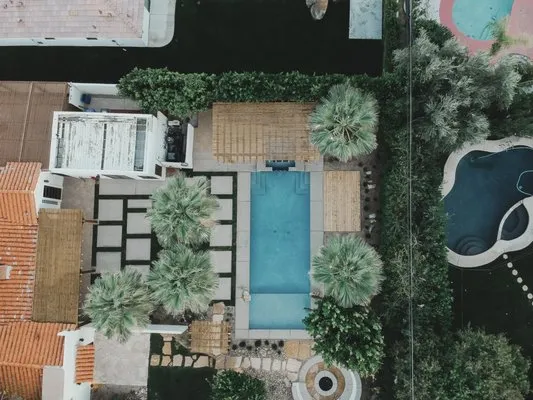
Quality Green Landscaping
Since 1990, Quality Green Landscaping has been a trusted family-owned partner for Thousand Palms and the greater Coachella Valley, building and maintaining lasting outdoor environments. We operate on ...
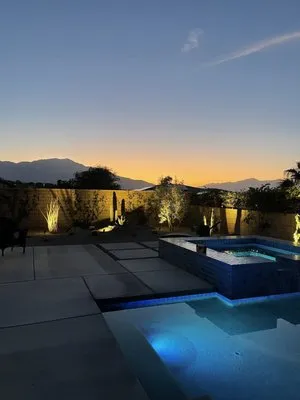
DD Landscaping is a licensed landscaping company serving Thousand Palms and the greater Coachella Valley since 2016. We specialize in creating sustainable outdoor spaces tailored to the unique desert ...
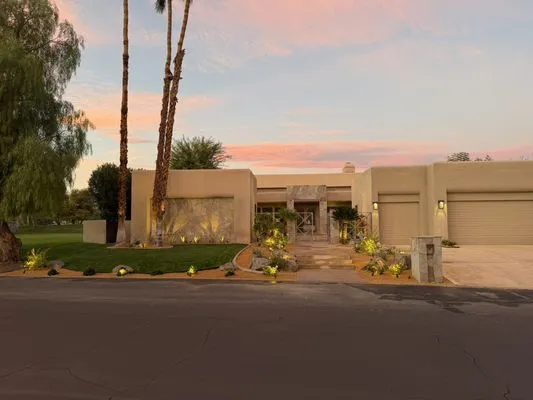
Panther's Landscape is a Thousand Palms-based landscaping company built on a foundation of hands-on expertise and a personal commitment to quality. Founder Panther honed his skills over three years wi...

CSC Landscaping is your trusted, local landscaping partner in Thousand Palms, CA. We specialize in comprehensive landscape solutions designed for our unique Coachella Valley environment. We understand...
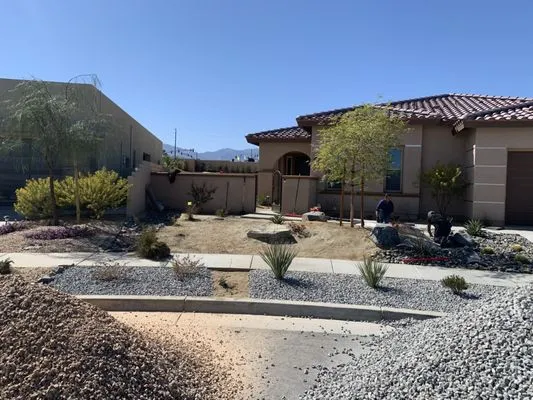
Unique Landcare is a Thousand Palms-based landscaping company founded in 2010 by owner Jose Macias, who brings over 15 years of hands-on experience in the landscaping and nursery field. For over a dec...
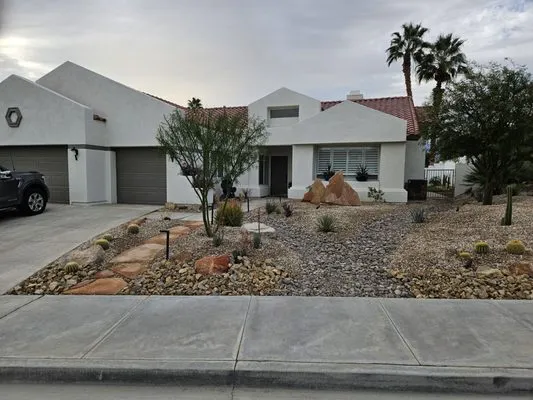
Golden Landscape is a Thousand Palms-based landscape architecture and design firm dedicated to solving the unique environmental challenges of the Coachella Valley. We specialize in creating and mainta...

Pro Landscaping
Pro Landscaping has been a trusted family-owned business in the Coachella Valley for over 30 years, originally founded by the Escamilla family. For the past 14 years, brothers Jesse, Jac, and Jose Esc...
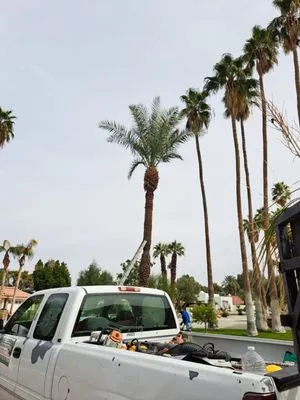
Aldo Torres Gardening And Landscaping is a trusted local landscaping and tree service provider serving Thousand Palms, CA. We specialize in landscape maintenance and tree care services to keep your ou...
Alex A Gardening is a trusted lawn care provider serving Thousand Palms, CA, specializing in comprehensive lawn maintenance to keep local landscapes healthy and vibrant. We understand that homeowners ...
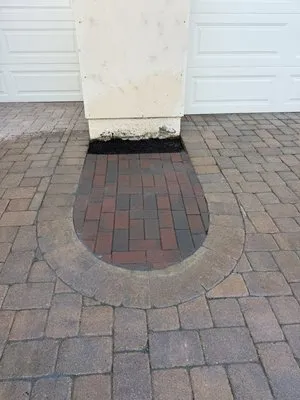
Dg's Landscape is a Thousand Palms-based landscaping company with over a decade of experience serving the Coachella Valley. Specializing in comprehensive landscape services from design and constructio...
Frequently Asked Questions
Can I maintain healthy TifTuf Bermuda while following water restrictions?
Wi-Fi ET-based weather sensing irrigation systems precisely match evapotranspiration rates to Stage 2 voluntary conservation requirements. These controllers adjust watering schedules daily based on local weather data, reducing TifTuf Bermuda irrigation by 20-30% compared to traditional timers. This technology maintains turf health while staying within municipal water allocations, particularly crucial during April-September peak growing months.
Is decomposed granite better than wood for outdoor spaces?
Decomposed granite outperforms wood in longevity and fire safety for Thousand Palms' Moderate WUI Zone 2 rating. While wood requires replacement every 5-10 years, properly compacted decomposed granite lasts 15-20 years with minimal maintenance. This material maintains defensible space requirements by not combusting during fire events and staying clear of flammable vegetation. Its natural appearance blends with the desert landscape while providing stable walking surfaces.
What permits and licenses are needed for landscape grading work?
Grading on 0.25-acre lots requires a Riverside County Planning Department permit for any cut/fill exceeding 50 cubic yards. Contractors must hold California Contractors State License Board C-27 landscaping classification with bonding. Unlicensed grading risks fines up to $5,000 and voided insurance coverage. Professional licensing ensures proper erosion control during installation and compliance with post-construction runoff management requirements.
Should I consider replacing some turf with native plants?
Transitioning high-maintenance turf areas to Desert Willow, Brittlebush, Creosote Bush, and Desert Lavender reduces weekly mowing requirements and prepares for evolving noise ordinances. Native plantings require 80% less water than TifTuf Bermuda and eliminate gas-powered blower use for leaf management. This xeriscaping approach aligns with 2026 biodiversity standards while creating habitat for local pollinators and reducing carbon emissions from maintenance equipment.
How do I control invasive species without chemical runoff?
Common invasive alerts include fountain grass and tamarisk, which compete with native species in alkaline soils. Manual removal during late-February peak mulching season prevents seed spread. Spot treatments using phosphorus-free herbicides comply with local runoff prevention ordinances. Solarization with clear plastic during summer months provides chemical-free control for persistent infestations while protecting soil microbiology.
How quickly can you respond to emergency storm damage cleanup?
Emergency storm response crews dispatch from the Thousand Palms Oasis Preserve area, taking I-10 to reach most Community Center District locations within 20-30 minutes during peak conditions. This routing prioritizes flash flood zones where high runoff potential requires immediate attention. HOA compliance deadlines for debris removal are typically 48-72 hours post-storm, which this schedule accommodates even during seasonal weather events.
Why does my soil seem compacted and unproductive despite regular watering?
Thousand Palms Community Center District properties built around 1984 have 42-year-old soil systems. Alkaline sandy loam with pH 8.1 naturally compacts over decades, reducing permeability and organic matter. Core aeration every 2-3 years breaks up compaction layers, while adding composted organic amendments improves water retention and microbial activity. This addresses the historical soil degradation common in neighborhoods with this construction era.
What solutions prevent flash flooding on my property?
Alkaline sandy loam's low permeability exacerbates Thousand Palms' high runoff potential. Installing permeable decomposed granite pathways and patios increases ground absorption by 40-50% compared to concrete. These installations must meet Riverside County Planning Department runoff standards, which typically require 1-2% slope grading toward designated drainage areas. French drains connected to dry wells provide additional capacity for sudden downpours.
