Top Landscaping Services in Temple City, CA, 91007 | Compare & Call

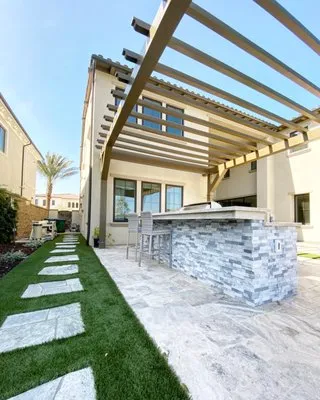
Liu Landscape
Liu Landscape is a Temple City-based landscape design and construction company founded in 2014 by licensed landscape architect Yu Chien Liao. With dual degrees in Landscape Architecture and English Li...
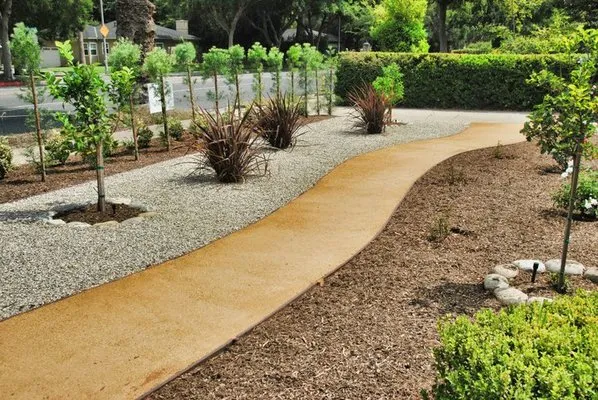
David's Landscaping has been serving Temple City and Southern California for over 30 years. Founded by Don, the company specializes in creating elegant, water-wise outdoor spaces that enhance a home's...
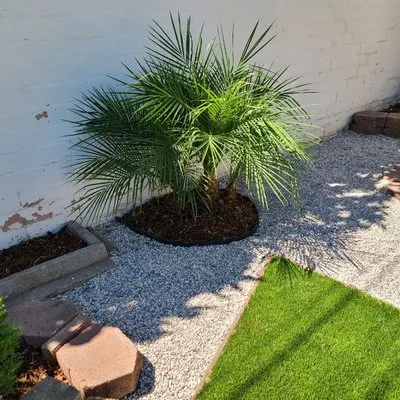
Medina's Gardening is a local, family-owned business serving Temple City, CA, with over five years of experience in gardening, tree services, and landscaping. Founded on principles of efficiency and r...

JJ Landscapes is a trusted local landscaping company serving Temple City, CA, with expertise in landscaping, masonry/concrete, and irrigation. We specialize in irrigation construction, design, and rep...

Serving Temple City, Schooley Landscape Pest Control is your local partner for a healthy, pest-free property. We understand that local landscapes often face challenges like irrigation system leaks and...
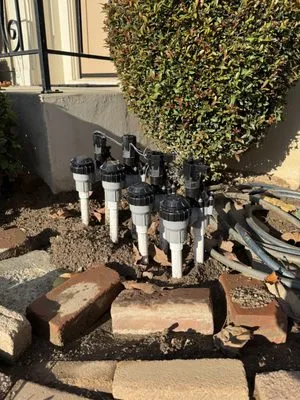
Talgarden is a licensed landscaping company in Temple City, CA, dedicated to creating and maintaining beautiful, sustainable outdoor spaces. We take a comprehensive approach, starting with soil testin...
FAQs
What solutions exist for the persistent runoff problems in my Temple City backyard?
Moderate runoff issues in Ramona Sandy Loam soils typically stem from clay-based compaction layers that impede natural percolation. Installing permeable concrete pavers creates a 30-40% void space for water infiltration while meeting Temple City Planning Division stormwater management requirements. For comprehensive drainage correction, we recommend combining permeable hardscapes with French drain systems that redirect subsurface water away from foundations. This approach addresses both surface ponding and subsurface saturation while maintaining the structural integrity of existing landscapes.
What low-maintenance alternatives exist for my high-water turf that also reduce maintenance noise?
Transitioning to California native plant communities featuring Cleveland Sage, Toyon, Deergrass, and White Sage creates a self-sustaining landscape requiring approximately 80% less water than traditional turf. These species establish deep root systems that improve soil structure and require minimal pruning, eliminating the need for gas-powered leaf blowers prohibited under local noise ordinances. The planting scheme supports local pollinators while providing year-round visual interest through seasonal blooms and foliage variations. This approach positions your property ahead of potential water restriction escalations while reducing maintenance frequency and costs.
Can I maintain healthy St. Augustine grass while following Temple City's water conservation rules?
Stage 2 voluntary conservation measures align effectively with smart Wi-Fi ET-based irrigation systems that adjust watering schedules according to real-time evapotranspiration data. These systems typically reduce water usage by 20-30% compared to traditional timer-based controllers while maintaining turf health. For St. Augustine or Hybrid Bermuda grasses in USDA Zone 10a, the technology calculates precise moisture requirements based on temperature, humidity, and solar radiation. Programming follows municipal watering windows while preventing both underwatering stress and wasteful runoff from over-application.
What licensing and permits are required for regrading my 0.16-acre Temple City property?
Grading work exceeding 50 cubic yards on a 0.16-acre lot requires both a California Contractors State License Board C-27 landscaping license and specific grading permits from the Temple City Planning Division. The CSLB license ensures contractors carry appropriate bonding and workers' compensation insurance while demonstrating proficiency in soil mechanics and erosion control. Planning Division review evaluates drainage patterns, slope stability, and compliance with municipal grading codes that address the area's moderate runoff hazards. Unlicensed grading operations risk significant fines and may void property insurance coverage for subsequent drainage-related damage.
Why does my Temple City yard have such compacted soil that won't absorb water properly?
Temple City Residential Core lots average 68 years of development since 1958, creating mature soil profiles with Ramona Sandy Loam that has experienced decades of compaction from foot traffic and equipment. This soil type naturally develops a dense clay layer at depth, reducing permeability to approximately 0.5 inches per hour. Core aeration every 2-3 years with simultaneous organic amendment application addresses this historical compaction by creating channels for water infiltration and introducing beneficial microorganisms. The pH 7.2 reading indicates adequate alkalinity for most ornamental plants but requires specific adjustments for acid-loving species.
Are permeable pavers truly better than traditional wood decking for Temple City's climate?
Permeable concrete pavers offer superior longevity in Temple City's Mediterranean climate, with an expected service life of 25+ years compared to wood's 10-15 year lifespan requiring regular sealing and replacement. The non-combustible material contributes to fire-wise defensible space requirements in this WUI interface zone with moderate fire risk rating. Unlike wood, pavers maintain dimensional stability through temperature fluctuations and won't warp, splinter, or require chemical treatments. Their permeability rating of 5-8 inches per hour significantly exceeds municipal stormwater management standards while preventing the heat island effect common with traditional concrete.
How do I safely treat invasive weeds without violating local fertilizer regulations?
Invasive species like yellow nutsedge and bermudagrass require targeted treatment during specific growth phases to prevent spread while complying with Regional Water Quality Control Board stormwater runoff mitigation requirements. We employ spot-treatment methodologies using EPA-approved herbicides during dry periods when runoff risk is minimal, avoiding application before forecasted rainfall. For organic alternatives, manual removal combined with solarization during peak summer months effectively controls many invasive species without chemical intervention. All treatments consider the moderate fire risk rating and maintain defensible space requirements around structures.
How quickly can you respond to an emergency tree limb cleanup after a windstorm?
Our electric maintenance fleet departs from Live Oak Park within 15 minutes of dispatch, utilizing I-10 for arterial access to Temple City Residential Core neighborhoods. During peak storm conditions, arrival typically occurs within 25-35 minutes depending on traffic patterns and specific location within the grid. This response window accommodates both emergency safety situations and HOA compliance deadlines for debris removal. The electric equipment operates within municipal noise ordinances while providing equivalent power to traditional gas-powered alternatives.
