Top Landscaping Services in Tamalpais Homestead Valley, CA, 94941 | Compare & Call
There are 221 landscaping companies server in Tamalpais Homestead Valley CA
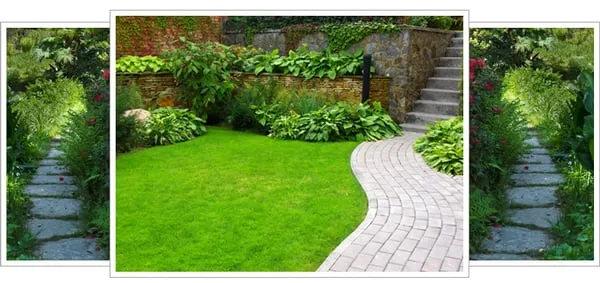
Patrick Landscaping is a locally owned and operated landscaping company serving San Rafael, CA, and the surrounding Marin County area. With over 32 years of experience and a General Contractor's Licen...
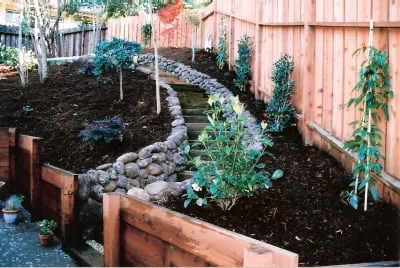
Efrain's Landscape Construction
Efrain's Landscape Construction began with Efrain Chavarria, a Guatemalan immigrant who arrived in Marin in 1986. Drawing on his family's carpentry heritage and diverse work experience, Efrain establi...
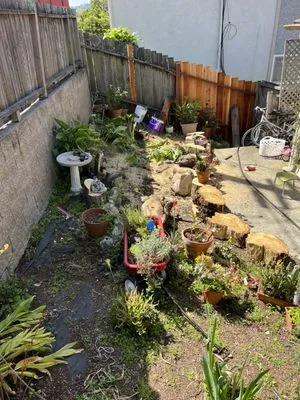
National Wildfire Prevention is a San Rafael-based company dedicated to helping residents and businesses reduce wildfire risks through professional landscaping and tree care. We specialize in creating...
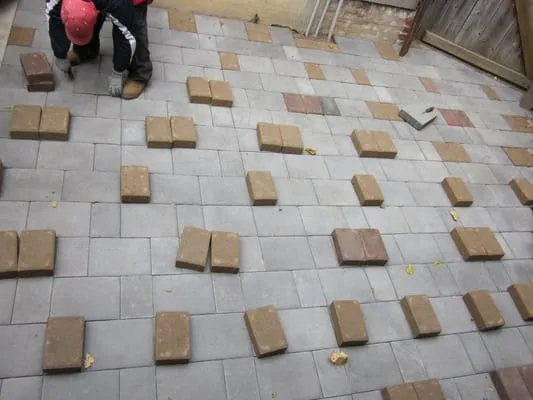
Carlos Paz Landscaping is a locally owned and operated business serving Mill Valley and surrounding Marin County communities. Founded by Carlos Paz, a Novato native who has lived in Marin since 2003, ...
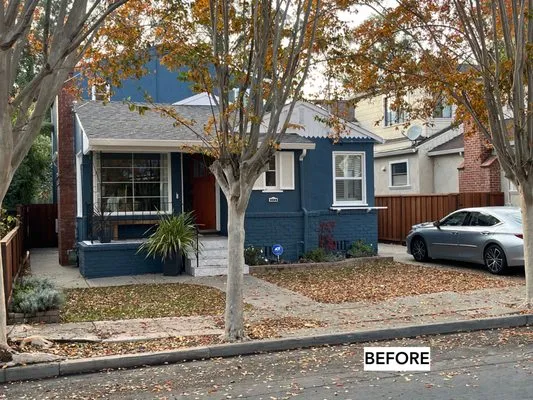
Element Garden Design is the creation of Nao, a San Rafael landscape designer whose career is a unique fusion of architectural training and hands-on construction experience. For years, he balanced arc...
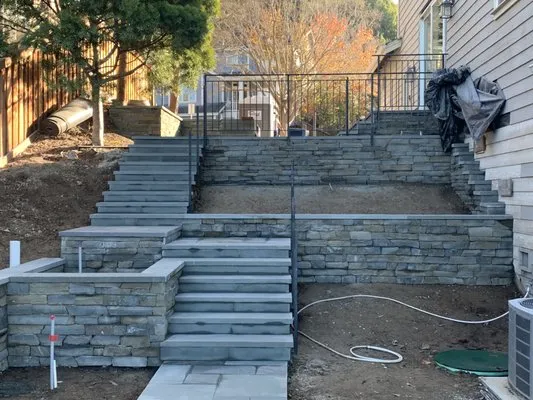
Estrada's Landscaping Services has been transforming outdoor spaces in San Rafael, CA for over five years. We specialize in comprehensive landscaping solutions including garden remodeling, tree servic...
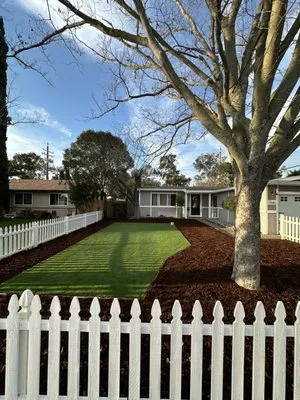
Born Again Outdoor Services is a licensed C-27 Landscape Contractor founded in 2018 by Manny Vasquez in San Rafael, CA. With over a decade of experience in landscape construction, Manny transitioned f...
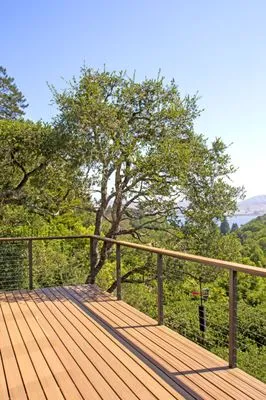
Eco-Gardening LLC is a Point Reyes Station-based landscape maintenance company dedicated to eco-friendly practices that reduce the carbon footprint of outdoor care. Serving both residential and commer...

Eugene Luis is a trusted local contractor in Mill Valley, CA, specializing in stonemasonry, masonry/concrete, and landscaping services. For homeowners facing common local issues like irrigation system...
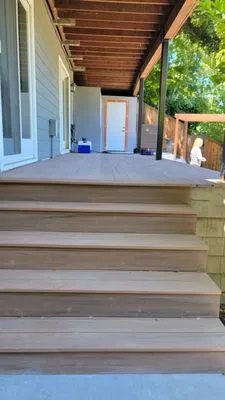
At Rogel Construction, we believe a project is truly complete when our clients are genuinely happy with the results. Based in Richmond, CA, we dedicate ourselves to getting every detail right, whether...
Estimated Landscaping Service Costs in Tamalpais Homestead Valley, CA
Questions and Answers
How do I control invasive species without violating fertilizer regulations?
French broom and Himalayan blackberry pose significant invasion risks in Homestead Valley's disturbed edges. Manual removal during dormancy followed by solarization of root zones prevents phosphorus-based runoff prohibited by the Clean Water Program. Applying mycorrhizae-rich compost instead of synthetic fertilizers supports native plant recovery. Timing treatments outside of blackout dates ensures compliance while establishing competitive native groundcovers that resist reinvasion.
Why does my Homestead Valley soil seem so compacted and difficult to work with?
Tamalpais Homestead Valley properties built around 1954 have 72-year-old soil systems within the Franciscan Complex clay loam. This soil type naturally compacts over decades, reducing permeability and oxygen availability to roots. Core aeration every 2-3 years is essential to break up compaction layers and improve water infiltration. Adding 2-3 inches of composted organic matter annually builds soil structure while maintaining the optimal pH range of 6.5-7.2 for most landscape plants.
Can I maintain Tall Fescue turf under Stage 2 water restrictions?
Wi-Fi ET-based weather sensing controllers optimize Tall Fescue irrigation by adjusting schedules to actual evapotranspiration rates. These systems reduce water use 20-30% while maintaining turf health during Marin County's voluntary landscape irrigation phase. Programming deep, infrequent watering during early morning hours maximizes soil penetration in clay loam. Regular soil moisture monitoring ensures compliance while preventing drought stress in this 10a hardiness zone.
How quickly can you respond to an emergency storm cleanup for HOA compliance?
Emergency response from our Tamalpais Community Center dispatch typically requires 20-30 minutes during peak conditions. We route via US-101 with electric equipment pre-loaded to comply with Marin County's noise ordinance. This timing accounts for high slope erosion hazards common in Homestead Valley after heavy rainfall. Our crews prioritize safety assessments before beginning debris removal and drainage restoration work.
What permits and licenses are needed for grading my 0.22-acre lot?
Grading on 0.22 acres in Homestead Valley requires Marin County Community Development Agency approval for any cut/fill exceeding 50 cubic yards. Contractors must hold California CSLB C-27 Landscaping or C-12 Earthwork licenses for engineered slope modifications. These regulations address high erosion potential in Franciscan Complex soils. Professional licensing ensures proper compaction testing, drainage integration, and compliance with Tamalpais Community's hillside development standards.
Is decomposed granite better than wood decking for fire safety?
Permeable decomposed granite provides superior fire resistance compared to combustible wood materials in Extreme Fire Wise zones. This inorganic material maintains defensible space requirements without contributing to fire spread. Its 15-20 year lifespan exceeds most wood alternatives when properly compacted with stabilizers. The light reflectance reduces heat island effect while allowing emergency vehicle access during wildfire events. Regular grading maintains permeability and prevents weed establishment in fire breaks.
What's the best solution for seasonal saturation on sloped properties?
High slope erosion in Homestead Valley's clay loam requires integrated drainage strategies. Permeable decomposed granite pathways allow 4-6 inches per hour infiltration, reducing surface runoff that causes seasonal saturation. Swales lined with native riparian plants manage water flow while meeting Marin County Community Development Agency runoff standards. French drains with clean gravel and filter fabric provide subsurface drainage where surface solutions are insufficient.
Should I replace my high-maintenance lawn with native plants?
Transitioning to Salvia spathacea, Arctostaphylos densiflora, Ceanothus thyrsiflorus, and Eriogonum fasciculatum reduces water needs by 70-80% compared to Tall Fescue. These natives establish deep root systems that stabilize slopes and require no gas-powered maintenance, aligning with Tamalpais Community's electric equipment mandate. Mycorrhizal inoculants during planting accelerate establishment in the existing clay loam soil. This approach creates habitat corridors while reducing fire ladder fuels in Extreme WUI zones.
