Top Landscaping Services in Tahoma, CA, 96142 | Compare & Call
There are 103 landscaping companies server in Tahoma CA
El Dorado Handyman And Landscaping is a trusted, full-service provider serving Pollock Pines, CA, and the surrounding Sierra foothills. We specialize in comprehensive handyman and landscaping solution...
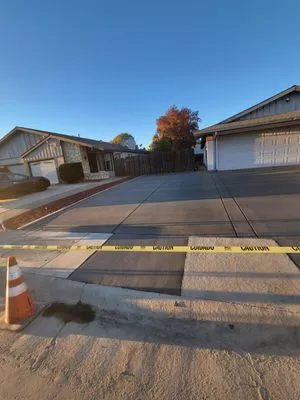
TM Concrete is a Sacramento-based contractor specializing in masonry, concrete, and landscaping services. With expertise in artificial turf, irrigation, and hardscape construction, we help local homeo...
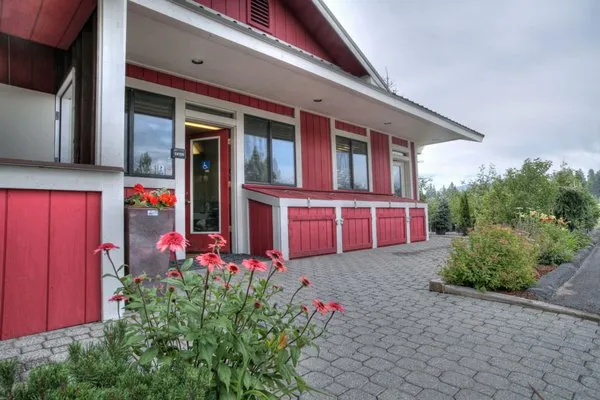
For over 30 years, Rock & Rose has been a trusted, family-owned landscape design and construction company serving Truckee and the Lake Tahoe region. Established in 1992, we specialize in creating func...
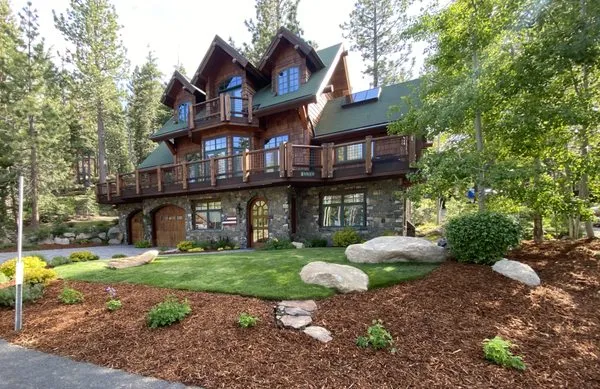
Martis Valley Landscapes is a Truckee-based design, construction, and maintenance firm dedicated to creating outdoor spaces that harmonize with the Eastern Sierra's natural beauty. We believe in innov...

Brown Bear Home Care
Brown Bear Home Care is your dedicated partner for home maintenance and improvement in Truckee. We provide a comprehensive range of services designed to protect and enhance your property. From routine...
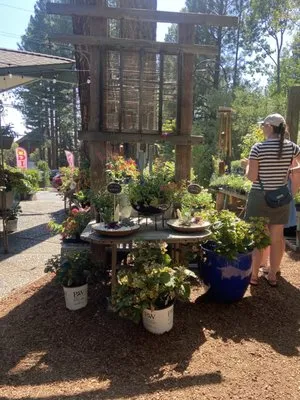
Perennial Nursery & Landscape
Perennial Landscape and Nursery Incorporated is a family-owned business that has been serving the North Tahoe/Truckee region since 1976. Located at 6891 North Lake Boulevard in Tahoe Vista, California...
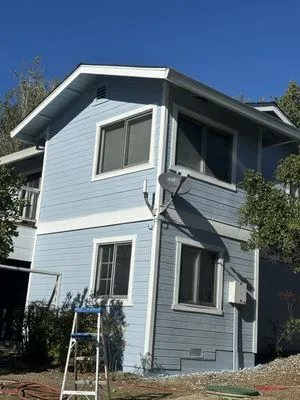
V. G. Landscaping serves Grass Valley, CA, providing comprehensive outdoor and property improvement services. We specialize in landscaping, painting, and fence/gate work, handling everything from arti...
Alpenglow Landscaping was founded in 2011 by Kyle Culbreth, who brings over a decade of specialized high-elevation landscaping experience to Tahoe City. Kyle's journey began in high school with turf m...
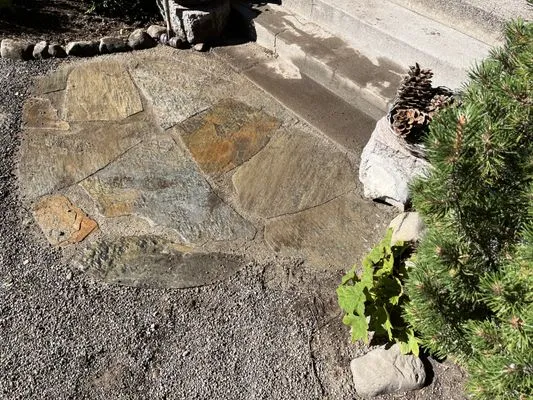
Lupine Landscaping brings over 20 years of combined expertise in landscape architecture and construction to every Kings Beach project. Owner and founder, a Ball State University graduate in Landscape ...
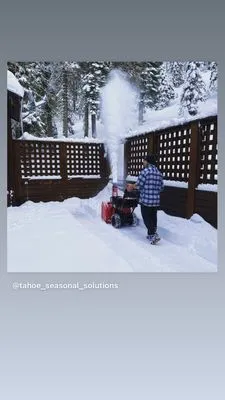
Tahoe Seasonal Solutions is your trusted, locally owned partner for year-round property care in Homewood and the greater Tahoe region. We provide reliable snow removal to keep your driveways and walkw...
Estimated Landscaping Service Costs in Tahoma, CA
Frequently Asked Questions
Is gravel or wood decking better for a durable, fire-safe patio?
For longevity and Extreme Fire Wise (WUI Zone 3) compliance, permeable Tahoe Blue granite gravel is superior. It provides a non-combustible, mineral-based defensible space, requires no sealing, and withstands freeze-thaw cycles. Wood decking presents a continuous fuel source and maintenance burden. A gravel patio with strategic rock walls also improves site drainage, addressing the core hazard of snowmelt runoff on your sloped lot.
I've spotted yellow starthistle; how do I handle invasive weeds here?
Invasive species like yellow starthistle or cheatgrass are a significant alert in this region. Manual removal before seed set is most effective. For persistent issues, targeted spot treatments with organic herbicides are applied well outside the TRPA-prohibited dates for the Lake Tahoe watershed. We never use synthetic fertilizers or herbicides near drainage paths, prioritizing soil health and mycorrhizal networks to outcompete invaders.
My yard floods with snowmelt; what's a lasting solution for the erosion?
High snowmelt runoff on granitic sandy loam slopes requires managing permeability. Replacing impermeable surfaces with Tahoe Blue granite gravel in a permeable base creates a drainage plane that infiltrates water, reducing erosion velocity. This approach often meets Placer County runoff standards by mitigating peak flow. Strategic dry creek beds lined with native Sierra Willow can further channel and slow water movement across your property.
Why is my soil so compacted and poor, and what can I do about it?
Your Tahoma West property was likely graded during original construction around 1974, resulting in a 52-year-old, immature soil profile. The native granitic sandy loam is prone to compaction from decades of foot traffic and winter snowpack. This reduces percolation and root penetration. Core aeration followed by top-dressing with a 3-inch layer of composted organic matter is the foundational remedy to rebuild soil structure and biology.
What permits and credentials should I verify for regrading my property?
Any significant grading or earthwork on a 0.35-acre lot in Placer County requires a permit from the Building Services Division. The contractor must hold a C-27 Landscaping license from the California Contractors State License Board. This is crucial for work impacting drainage patterns or soil stability, as improper grading can violate TRPA regulations and create liability. Always request the license number and verify its status online before work begins.
How do I keep my lawn alive during water restrictions without wasting water?
Under Stage 1 voluntary conservation, precision is key. A smart Wi-Fi ET-based controller adjusts irrigation in real-time based on local evapotranspiration data, weather forecasts, and soil moisture. For your Fine Fescue blend, this system targets root zones efficiently, preventing runoff on slopes. The integrated freeze sensor prevents winter line damage, ensuring the system only delivers the exact water volume your turf requires.
How quickly can you respond to an emergency like a downed tree after a storm?
For urgent HOA compliance or safety issues, we dispatch an electric truck from our staging area near Sugar Pine Point State Park. The route via CA-89 to Tahoma West typically takes 45-60 minutes during peak post-storm conditions. Our electric equipment operates within the local noise ordinance, allowing us to begin work immediately upon arrival, even during restricted hours for gas-powered machinery.
What are the most practical ways to reduce lawn maintenance and noise?
Transitioning turf areas to a climate-adaptive xeriscape with native plants like Western Serviceberry and Western Columbine drastically reduces mowing and blowing needs. This proactively addresses evolving noise ordinances restricting gas-powered equipment. A native planting layer establishes deeper root systems, improves soil health, and provides higher habitat value, aligning with 2026 biodiversity and fire-wise landscaping goals for the WUI Zone.
