Top Landscaping Services in Tahoe Vista, CA, 96148 | Compare & Call

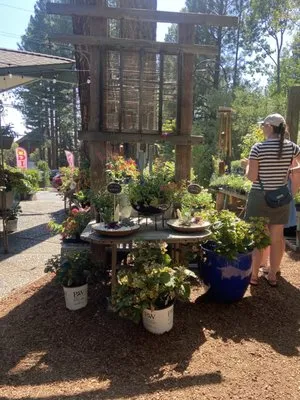
Perennial Nursery & Landscape
Perennial Landscape and Nursery Incorporated is a family-owned business that has been serving the North Tahoe/Truckee region since 1976. Located at 6891 North Lake Boulevard in Tahoe Vista, California...
Questions and Answers
How can we keep our lawn healthy under Stage 1 water conservation rules?
Evapotranspiration-based drip irrigation systems are calibrated using local weather station data to replace only the water lost to evaporation and plant transpiration. This method applies water directly to the root zone of Kentucky Bluegrass and Fine Fescue blends, minimizing waste. It is the most effective technical strategy to maintain turf viability while adhering to voluntary municipal conservation targets and preparing for potential stricter future tiers.
Should we use wood or stone for a new patio and fire-safe zone?
In an Extreme Fire Wise Rating zone, non-combustible materials are mandated for defensible space. Local Sierra Granite offers superior longevity and zero flammability compared to wood, which requires constant chemical treatments. A granite patio or retaining wall system provides permanent structure, reduces maintenance, and meets WUI Zone 3 compliance requirements for ember-resistant zones within 30 feet of structures.
What's the best way to manage runoff and erosion on our sloped property?
Granitic sandy loam has high erosion potential, especially on steep slopes. A tiered approach using local Sierra Granite boulders for retaining walls and permeable decomposed granite for pathways increases surface infiltration. This strategy slows water velocity, reduces sediment loss, and typically meets Placer County's stormwater runoff management standards by mimicking natural hydrological function.
We've spotted yellow starthistle. How should we handle it without harming the lake?
Yellow starthistle is a pervasive invasive that requires immediate mechanical removal before seed set. Chemical control must be carefully selected from TRPA-approved lists and applied outside of the Nutrient Management Standards' seasonal blackout dates to protect Lake Tahoe's clarity. For established patches, a combination of cutting, solarization, and competitive reseeding with native Western Serviceberry is recommended.
We're tired of constant mowing and blowing. Are there lower-maintenance options?
Transitioning high-input turf areas to a climate-adaptive xeriscape with natives like Curl-leaf Mountain Mahogany and Sierra Penstemon drastically reduces maintenance cycles. This approach eliminates weekly mowing and the need for gas-powered blowers, aligning with strict local noise ordinances. It also builds a more resilient, drought-tolerant landscape that supports regional biodiversity standards ahead of regulatory curves.
Our soil feels compacted and thin. Is this normal for Tahoe Vista Estates?
Properties built around 1976, common here, have approximately 50 years of soil development on granitic parent material. This granitic sandy loam naturally lacks organic matter and is prone to compaction from decades of foot traffic and winter plowing. Core aeration in early fall and amendments with composted woody debris are critical to build a mature, water-retentive soil profile that supports healthy root zones.
What permits and qualifications are needed to regrade our backyard?
Grading on a 0.35-acre lot in Tahoe Vista often triggers a review by the Placer County Community Development Resource Agency due to slope stability and drainage concerns. The contractor must hold a valid California CSLB license with appropriate classification for earthwork. This ensures they are bonded, insured, and knowledgeable about TRPA erosion control mandates, protecting the homeowner from liability and substandard work.
How quickly can you respond to an emergency cleanup after a major wind event?
An emergency dispatch for storm debris follows a calculated route from North Tahoe Regional Park, proceeding east on CA-28 to access Tahoe Vista Estates. Accounting for peak traffic and potential road conditions, a dedicated electric utility vehicle can typically arrive within the 45-60 minute window. This prioritizes HOA compliance and mitigates immediate fire ladder fuel hazards in this WUI Zone 3 area.
