Top Landscaping Services in Stanford, CA, 94305 | Compare & Call
There are 208 landscaping companies server in Stanford CA
Helmut Kroos Landscaping is a dedicated local landscaping company serving Menlo Park, CA, and the surrounding Bay Area. We specialize in creating beautiful, functional, and water-efficient outdoor spa...
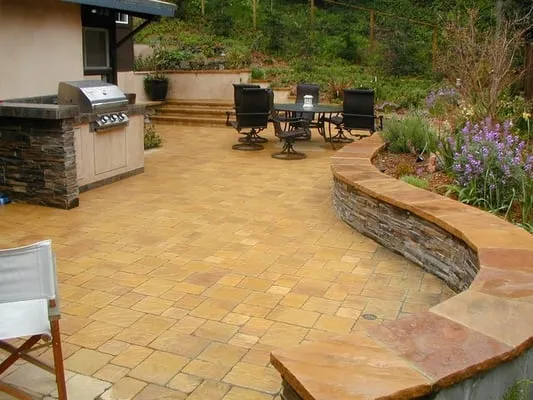
Winning Landscape is a trusted Menlo Park landscaping company dedicated to solving common local yard problems like overwatered lawns and mulch erosion. We provide expert solutions tailored to the Peni...
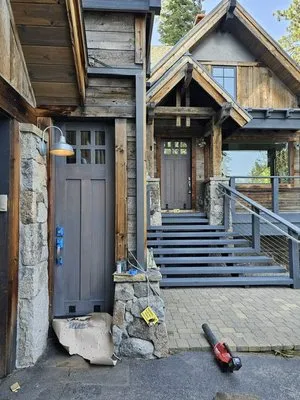
Pacific Edge is a trusted home services provider serving Palo Alto, CA, specializing in landscaping, plumbing, and electrical work. We help homeowners maintain and improve their properties with compre...
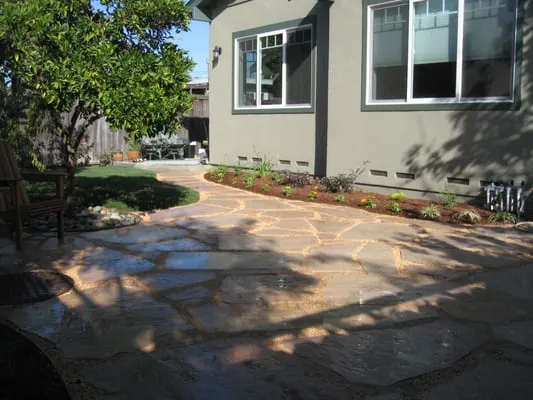
Garden Rain Landscaping
Garden Rain Landscaping brings a unique perspective to Menlo Park's outdoor spaces. Founder's journey from UC Davis Landscape Architecture to Agricultural Economics, followed by a decade in office wor...

Angel's Gardening Service MB is a trusted local provider in Menlo Park, CA, specializing in comprehensive outdoor solutions including junk removal, lawn care, and irrigation services. We help homeowne...

Flor Landscaping is a family-owned landscaping company based in San Jose, CA, founded in 1998 by brothers Exiquio and Edgar. With decades of experience rooted in working alongside their father, they s...

Dreamprint Home Remodeling
Dreamprint Home Remodeling is a Santa Clara-based home renovation firm founded by a passionate owner whose childhood in Brooklyn sparked a lifelong dedication to creating beautiful, functional living ...

The Lawnmowerman is a locally owned and operated landscaping business serving San Jose for over a decade. Founded by Javier Cruz, whose agricultural roots in El Salvador gave him a deep, practical und...
Estimated Landscaping Service Costs in Stanford, CA
Q&A
I've spotted invasive Bermuda grass in my beds. How should I handle it?
Bermuda grass is a persistent invasive that requires targeted, non-chemical removal by hand or with precise tools to avoid soil disturbance. Post-removal, applying a thick layer of mulch suppresses regrowth. Any fertilizer application to aid recovery in the affected area must strictly follow BASMAA Nutrient Guidelines and avoid blackout dates to protect Bay Area watersheds from nutrient pollution.
A major storm caused a tree limb to fall, blocking my driveway. What's your emergency response protocol?
For urgent safety hazards like this, our dispatch coordinates from the Stanford Shopping Center, taking Sand Hill Road to US-101 for direct access. During peak traffic, the College Terrace neighborhood typically sees a 20-30 minute response window. The crew arrives with electric chippers and saws to comply with local noise ordinances, clearing the hazard and securing the site for further assessment.
Is it practical to replace parts of my lawn with native plants to reduce maintenance?
Transitioning high-input turf to a palette of California Poppy, Ceanothus, and Sticky Monkeyflower is a forward-looking strategy. These natives require no gas-powered mowing or blowing, aligning with electric-only equipment mandates. Once established, they need minimal irrigation beyond rainfall and support local pollinators, enhancing biodiversity. This conversion also reduces your long-term water and maintenance liabilities.
Why does my soil seem so hard and compacted compared to newer neighborhoods?
College Terrace homes, averaging 43 years old, sit on undisturbed alkaline clay loam. This soil naturally compacts over decades, reducing pore space for air and water. Without regular core aeration and the addition of organic compost, permeability declines significantly, stressing root systems. Amending with gypsum and compost can improve soil structure without drastically altering the inherent pH.
How can I keep my Tall Fescue lawn alive during Stage 1 water restrictions without overwatering?
An ET-based, Wi-Fi-enabled irrigation controller is essential. It adjusts watering schedules daily based on real-time evapotranspiration data from local weather stations, applying water only when the lawn truly needs it. This technology, paired with drought-tolerant Tall Fescue cultivars, maximizes efficiency. It ensures deep root hydration while keeping total usage well within voluntary conservation guidelines.
What should I verify before hiring a contractor to regrade my 0.15-acre property?
Any significant grading project requires a licensed professional. First, confirm the contractor holds a valid C-27 Landscaping license from the CSLB. Second, ensure they will pull the necessary grading permit from Santa Clara County Planning and Development, as altering drainage patterns on even a 0.15-acre lot has off-site implications. This due diligence protects you from liability and ensures the work meets code.
My yard floods and creates runoff during every heavy rain. What are my options?
Expansive clay soil in Stanford has very low percolation rates, causing high runoff. A primary solution is replacing impervious surfaces with permeable concrete pavers, which allow water to infiltrate and reduce flow velocity. This approach often meets Santa Clara County Planning and Development standards for on-site stormwater management. Coupled with strategic grading and dry creek beds, it mitigates ponding and protects foundations.
Are permeable pavers a better long-term choice than wood decking for my patio?
Permeable concrete pavers offer superior longevity and functionality in our climate. Unlike wood, they do not rot, warp, or require chemical treatments. Their permeability directly addresses local runoff concerns. For fire safety, they provide a non-combustible, stable surface that contributes to the required defensible space in this Moderate Fire Wise rated zone, a critical consideration for WUI interface compliance.
