Top Landscaping Services in South San Francisco, CA, 94080 | Compare & Call

There are 228 landscaping companies server in South San Francisco CA
D & I Landscape is a family-owned and operated landscaping company serving San Jose and the greater Bay Area. Founded in 2019 by a passionate owner who started in the trade at 17, our focus is on deli...
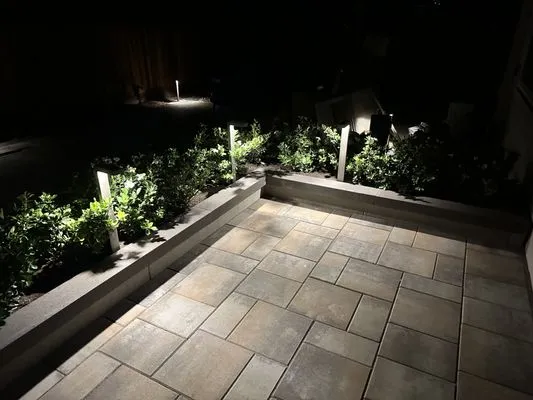
Kay Green Landscape is a trusted, licensed landscape service provider serving San Jose and the Bay Area since 2000. We specialize in transforming outdoor spaces into beautiful, functional extensions o...
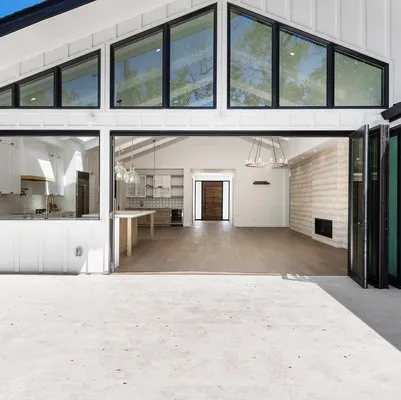
Founded in 2018 by Eduardo Reyes, Aravat Landscaping is a family-owned and operated business serving San Jose and the wider Silicon Valley. With over two decades of hands-on experience in landscaping ...
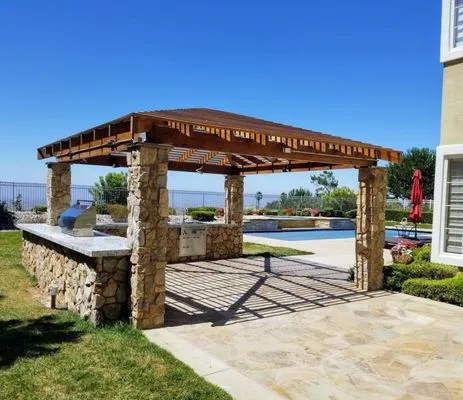
Konig Construction & Outdoor Living Specialists
Konig Construction & Outdoor Living Specialists is a family-owned hardscape company serving Santa Clara, CA, since 2008. Founded by Marcos Konig, who comes from a family of builders, the business has ...
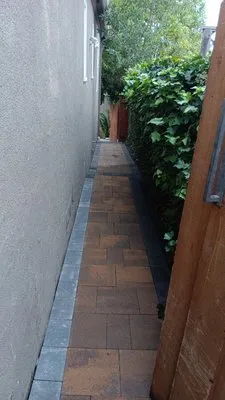
Lemus Landscaping & Excavating is a licensed, family-operated business serving San Jose and surrounding communities with over 15 years of hands-on experience. We specialize in comprehensive landscape ...
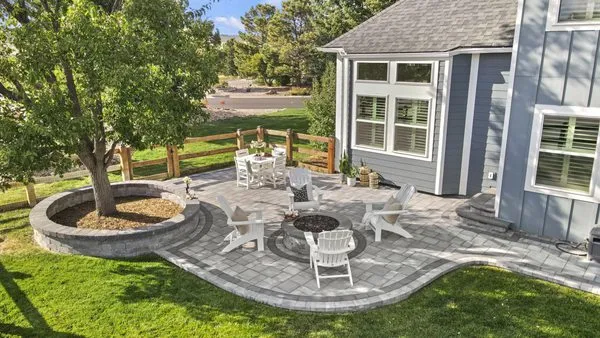
System Pavers
System Pavers has been a trusted partner for Fremont homeowners for over three decades, building a reputation on reliable craftsmanship and customer-focused service. We understand the unique needs of ...
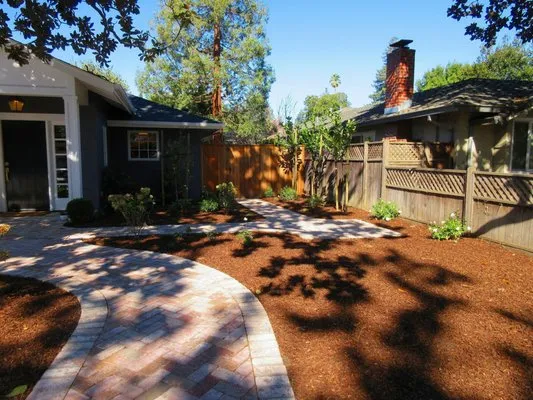
RB Landscaping is a Redwood City-based, fully licensed and bonded landscaping contractor with deep roots in the Bay Area, operating since 2008. We specialize in a comprehensive range of hardscaping an...

Design & Build Landscapes
As a local Menlo Park landscape architect with a Master's Degree, my passion is transforming outdoor spaces into beautiful, self-sustaining environments that fit our unique Bay Area climate. We take a...
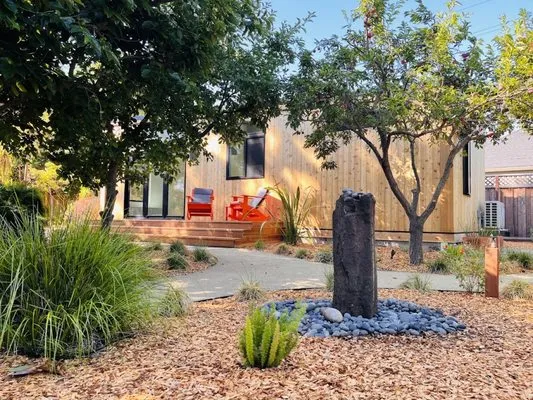
Green Bay Landscaping is a family-owned landscape construction company in Redwood City, CA, with deep roots in the Bay Area. Founded by Marco after over 20 years at a high-end local firm, and now run ...
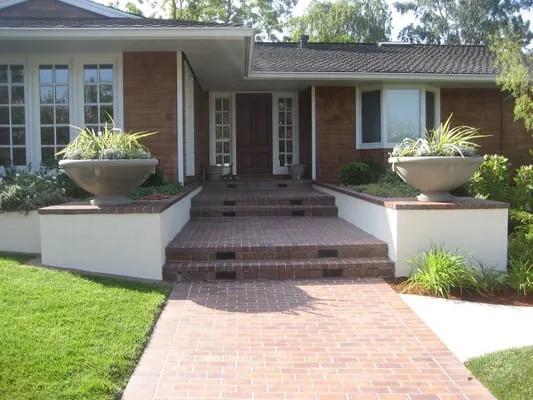
Since 1981, Ideal Landscape & Concrete has been a trusted fixture in the Menlo Park and greater Bay Area community, providing expert solutions that blend landscape artistry with durable hardscape cons...
Estimated Landscaping Service Costs in South San Francisco, CA
Frequently Asked Questions
My sloped yard has erosion and pooling. What's the best long-term solution?
Slope instability and high runoff are common with clay loam. The solution integrates grading and permeable hardscape. Installing a French drain system tied to a dry well addresses subsurface water, while replacing solid surfaces with permeable concrete pavers increases surface infiltration. This combined approach manages stormwater on-site, which is a key standard for the South San Francisco Planning & Building Division to mitigate downstream flooding and comply with regional water quality objectives.
What permits and licenses are needed to regrade my backyard?
Regrading a property of 0.14 acres typically requires a permit from the South San Francisco Planning & Building Division to ensure engineered plans control erosion and drainage. The contractor must hold a C-27 Landscaping license from the California Contractors State License Board. For significant earth moving, a C-12 Earthwork license may also be mandated. This licensing ensures the work adheres to structural and environmental codes, protecting you from liability related to slope failure or downstream water damage.
My yard in Buri Buri seems to drain poorly. Does the soil history here contribute to that?
Yes, soil maturity is a primary factor. With homes averaging a 1962 build date, your 64-year-old landscape sits on undisturbed clay loam. This soil type naturally compacts over decades, reducing percolation and creating a dense layer that restricts root growth and water infiltration. Core aeration and the addition of 2-3 inches of composted organic matter are necessary interventions to rebuild soil structure and mitigate the characteristic slow drainage of these older lots.
How can I keep my Tall Fescue lawn healthy while following the city's water conservation rules?
Effective irrigation under Stage 1 voluntary conservation requires precision. A Wi-Fi ET-based system is essential; it automatically adjusts runtime by using local weather data to replace only the water lost to evapotranspiration. For clay loam soil, this means scheduling fewer, deeper watering cycles to encourage root depth and avoid runoff. This method typically maintains dwarf-type Tall Fescue within a 20-30% reduction from baseline, keeping it resilient while adhering to municipal guidelines.
I've spotted invasive weeds like yellow star-thistle. How do I treat them safely?
Managing invasive species requires a targeted, compliant approach. Manual removal before seed set is most effective for small infestations. For larger areas, a precise, spot-applied herbicide may be necessary, but its use must avoid runoff to comply with the San Francisco Bay Regional Water Quality Control Board's MS4 permit. We schedule treatments outside of rainy periods and never apply before forecasted rain, ensuring chemicals do not enter the stormwater system and protecting local watersheds.
Are permeable concrete pavers a better choice than wood for a new patio?
For longevity and fire resilience, permeable pavers are superior. In our Moderate Fire Wise Rating zone, creating defensible space is critical; non-combustible pavers provide a crucial barrier. Compared to wood, they offer a 50+ year lifespan with no rot or insect damage, and their permeability directly reduces runoff on your 0.14-acre lot. While the initial cost is higher, the lifecycle cost is lower, and they contribute directly to site stability and compliance with modern drainage standards.
If a storm causes a tree limb to block my driveway, how fast can a crew get here for an emergency cleanup?
Our peak storm response protocol targets a 20-30 minute arrival for urgent safety hazards in South San Francisco. A crew dispatched from our central staging area near Orange Memorial Park would take US-101 to your Buri Buri neighborhood, providing the most direct route. We prioritize electric chainsaws and chippers to comply with the 2026 electric equipment mandate, ensuring a rapid, quiet, and compliant resolution to restore access.
I want to reduce mowing and gas equipment noise. What should I plant instead?
Transitioning to a climate-adaptive landscape is the strategic move. Replace maintenance-intensive turf with layered plantings of Coast Live Oak, Ceanothus, Yarrow, and Sticky Monkeyflower. These natives are adapted to Zone 10a, require minimal water once established, and eliminate weekly mowing. This conversion pre-empts the 2026 electric-only equipment mandate by drastically reducing the need for any mechanical maintenance, creating a quieter, biodiverse habitat that supports local pollinators.
